
Zircon leaf bracelets have surged in popularity for their delicate aesthetic, symbolic meaning, and radiant sparkle. Often crafted with intricate metalwork and adorned with cubic zirconia stones shaped into leaf motifs, these accessories blend elegance with nature-inspired design. But not all zircon leaf bracelets are created equal. With a growing market filled with varying grades of materials and craftsmanship, knowing how to evaluate quality is essential—whether you're purchasing for yourself, gifting, or building a curated jewelry collection.
Assessing a high-quality zircon leaf bracelet goes beyond surface appeal. It involves understanding materials, construction techniques, stone clarity, and long-term durability. This guide equips you with professional-level insight to make informed decisions confidently and avoid common pitfalls that lead to disappointment or premature wear.
Understand the Materials: Metal and Stone Composition
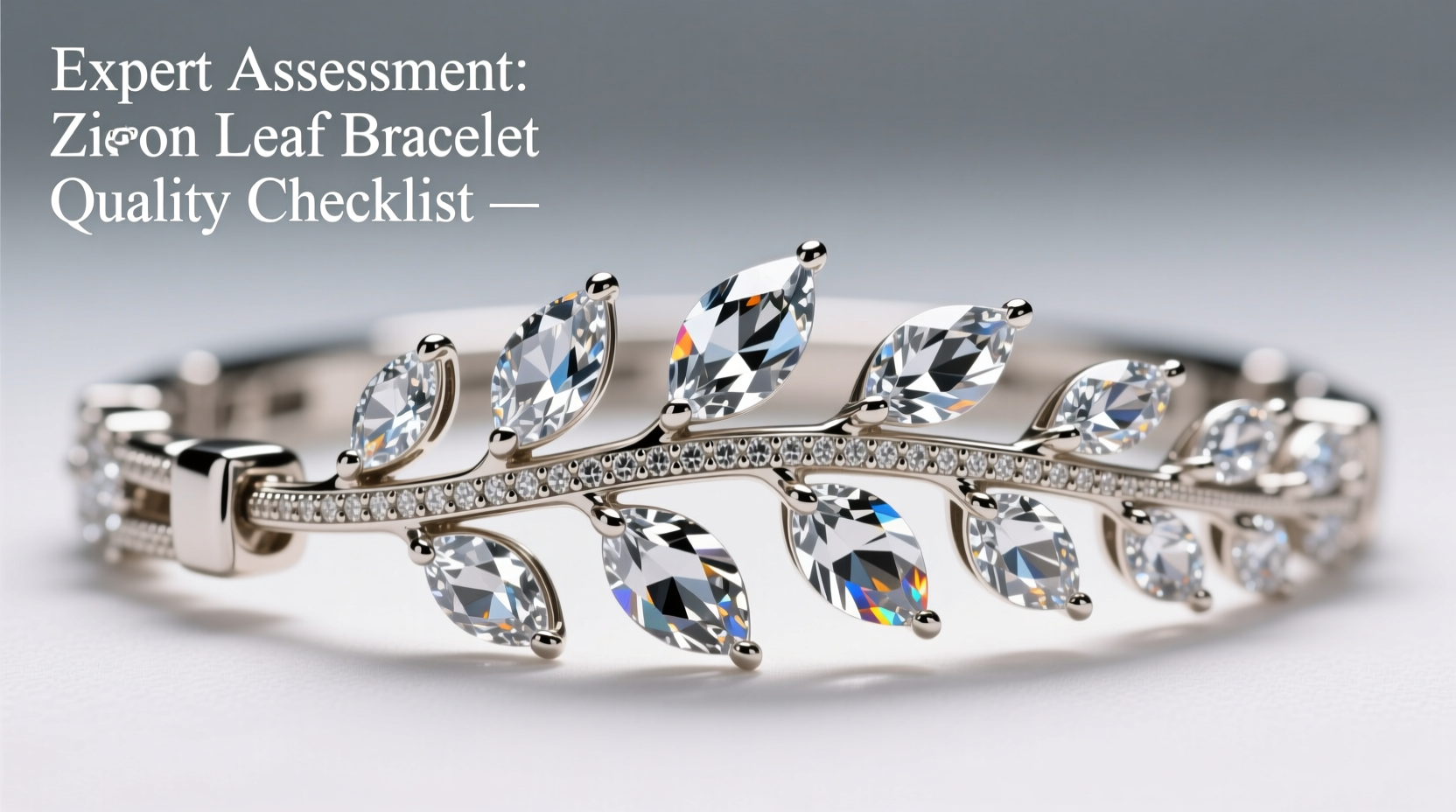
The foundation of any quality bracelet lies in its materials. Zircon leaf bracelets typically use cubic zirconia (CZ) stones set in metals such as sterling silver, stainless steel, gold-plated brass, or titanium. While CZ mimics the brilliance of diamonds, its value and longevity depend heavily on what it’s mounted on.
Sterling silver (925 purity) offers a premium feel, hypoallergenic properties, and excellent luster but requires care to prevent tarnishing. Gold-plated options should specify plating thickness—ideally 18k or higher with at least 2–3 microns for lasting color. Avoid base metals like copper or low-grade alloys that may cause skin discoloration or corrosion over time.
Evaluate Craftsmanship and Structural Integrity
A well-made zircon leaf bracelet should exhibit precision in every detail. Begin by inspecting the symmetry of the leaf design. Are the curves smooth? Do the veins appear intentional and evenly etched? Poorly executed stamping or casting results in blurred lines and uneven proportions, signaling mass production with minimal quality control.
Examine the prongs or bezels securing each cubic zirconia stone. They should be uniform, tightly fitted, and free from gaps. Loose settings increase the risk of stone loss during everyday wear. The clasp mechanism—whether lobster, toggle, or magnetic—must operate smoothly and lock securely. A flimsy clasp is one of the most common failure points in lower-tier pieces.
“Fine jewelry isn’t just about sparkle—it’s about structure. If the framework fails, even the best stones become useless.” — Lila Chen, Master Jeweler & GIA Graduate
Analyze Stone Quality Using the Four Cs (Even for Cubic Zirconia)
While traditionally applied to diamonds, the Four Cs—Cut, Clarity, Color, and Carat—can be adapted to assess cubic zirconia in zircon leaf bracelets.
| C | What to Look For | Poor-Quality Indicators |
|---|---|---|
| Cut | Fully faceted stones with balanced proportions that reflect light evenly | Dull, flat surfaces; uneven facets; lack of fire/sparkle |
| Clarity | Stones should be transparent with no visible bubbles, cracks, or cloudiness | Haziness, internal flaws, or air pockets within the stone |
| Color | Ideal CZ is colorless (graded D-F equivalent); subtle tints reduce value | Yellowish, grayish, or brownish hue under natural light |
| Carat | Consistent stone size across the bracelet; larger stones require better support | Mismatched sizes or oversized stones on thin settings |
Use a jeweler’s loupe or magnifying glass when possible. Under 10x magnification, inferior CZ often reveals mold lines or surface pitting—signs of rushed manufacturing.
Step-by-Step Guide: How to Inspect a Zircon Leaf Bracelet Before Purchase
Follow this systematic approach whether shopping online or in-store:
- Check the product description: Confirm metal type, plating details, and stone specifications. Reputable sellers disclose CZ grade (e.g., AAA-rated).
- Inspect photos closely (online): Zoom in on stone settings, edges, and clasps. Look for shadows indicating loose prongs or uneven polishing.
- Hold it in hand (in-person): Feel the weight—quality metal has heft. Lightweight pieces often use hollow construction or plastic cores.
- Test the clasp: Open and close it multiple times. It should engage without wobbling or requiring excessive force.
- Examine under natural light: Observe how the stones refract light. High-grade CZ emits sharp flashes of rainbow dispersion (fire), not a flat shine.
- Run a fingernail test: Gently drag your nail over the stone surface. If it catches, the setting may snag fabric or skin—a sign of poor finishing.
Real-World Example: Spotting a Bargain vs. a Dud
Sophie, a boutique buyer in Portland, once considered two nearly identical zircon leaf bracelets priced $45 apart. Both featured 925 silver stamps and AAA-rated CZ. At first glance, the cheaper option seemed like a steal. But upon closer inspection using her checklist, she noticed key differences.
The lower-priced bracelet had slightly misaligned leaves, a clasp that clicked loosely, and stones with faint yellow undertones under sunlight. When she asked the supplier for lab documentation on the CZ grade, none was provided. She passed and bought the more expensive piece, which came with a certificate of authenticity and a lifetime warranty against plating wear.
Six months later, the cheaper model (purchased by a colleague) began losing stones and tarnishing rapidly. Sophie’s investment remained pristine. Her experience underscores that true value isn’t found in price alone—but in verifiable quality markers.
Essential Checklist for Buying a Premium Zircon Leaf Bracelet
- ✅ Hallmarked metal (e.g., “925”, “18K GP”)
- ✅ Uniform, fully faceted cubic zirconia stones
- ✅ No visible bubbles, scratches, or cloudiness in stones
- ✅ Secure, well-polished prongs or bezels
- ✅ Smooth-operating, durable clasp
- ✅ Balanced weight—not too light or overly heavy
- ✅ Symmetrical leaf design with clean detailing
- ✅ Seller provides CZ grading or authenticity info
- ✅ Comes with care instructions and warranty (if applicable)
Frequently Asked Questions
Can I wear my zircon leaf bracelet every day?
Yes, but with caution. While cubic zirconia is hard (8–8.5 on the Mohs scale), daily exposure to lotions, sweat, and impacts can loosen settings or dull the finish. Remove it during intense activity, swimming, or cleaning. Rotate wear to extend lifespan.
How do I clean a zircon leaf bracelet safely?
Mix mild dish soap with lukewarm water. Soak for 5–10 minutes, then gently scrub with a soft toothbrush, focusing on stone crevices. Rinse thoroughly and dry with a microfiber cloth. Avoid ultrasonic cleaners unless confirmed safe by the manufacturer.
Is there a difference between cubic zirconia and natural zircon?
Yes. Cubic zirconia is a lab-created diamond simulant. Natural zircon is a mineral with different optical properties and higher rarity. Most “zircon” jewelry today uses cubic zirconia due to affordability and consistency. True zircon gemstones are labeled specifically and cost significantly more.
Final Thoughts: Invest in Knowledge, Not Just Sparkle
A beautiful zircon leaf bracelet should inspire confidence—not doubt. By learning to assess metal integrity, stone quality, and craftsmanship precision, you shift from being a casual buyer to an informed connoisseur. These skills protect your investment and ensure your jewelry retains both aesthetic appeal and emotional value over time.




 浙公网安备
33010002000092号
浙公网安备
33010002000092号 浙B2-20120091-4
Comments
No comments yet. Why don't you start the discussion?