
Every dog owner has seen it—the instant their pup locks eyes on a new squeaky toy, ears perk up, tail wags, and chaos begins. But not all squeaky toys are created equal. What excites one dog might be ignored by another, and what lasts weeks for a gentle chewer can vanish in minutes under a power chewer’s jaws. Choosing the right squeaky toy isn’t just about fun; it’s about safety, engagement, and longevity. The key lies in understanding your dog’s unique play style and matching it with the right toy features.
Understand Your Dog’s Play Style First
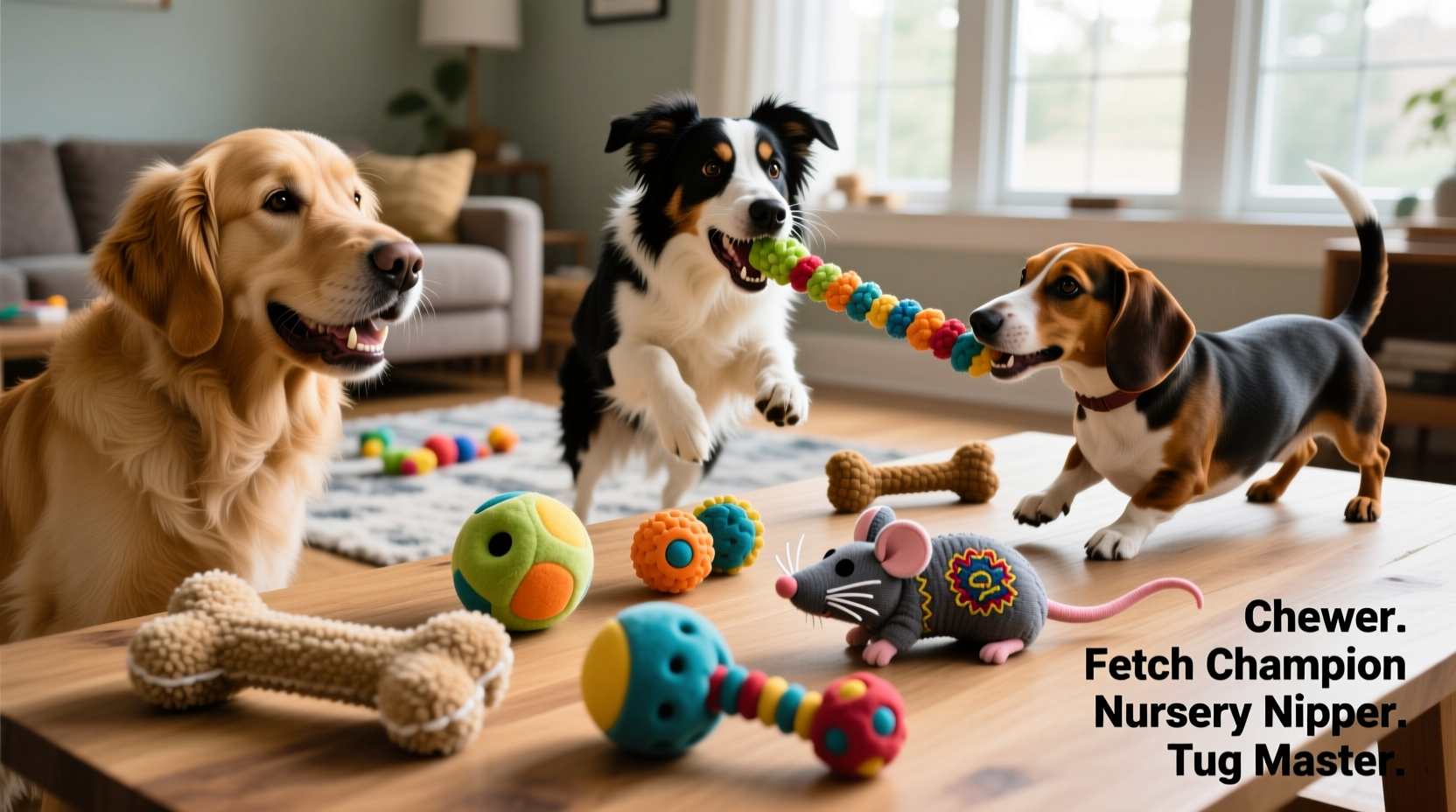
Dogs don’t just play randomly—they have distinct behavioral patterns when interacting with toys. Recognizing your dog’s play style is the foundation of smart toy selection. Broadly, dogs fall into three categories: Gentle Tuggers, Aggressive Chewers, and Fetch Enthusiasts.
- Gentle Tuggers enjoy soft, plush toys they can carry around or shake gently. They may bark at the squeaker but rarely destroy it.
- Aggressive Chewers attack toys with full jaw force, aiming to dismantle them quickly. These dogs need reinforced materials and hidden squeakers.
- Fetch Enthusiasts prioritize throwing and retrieving. They prefer durable, aerodynamic toys that withstand repeated impact.
Observing how your dog interacts with current toys provides invaluable insight. Does your dog dismantle plushies within hours? That’s a red flag for soft squeakers. Do they lose interest once the squeak stops? Then sound variety or replaceable squeakers might help.
Match Toy Features to Behavior
Once you’ve identified your dog’s play style, align it with specific toy characteristics. A mismatch leads to broken toys, choking hazards, or disengagement.
| Play Style | Recommended Toy Type | Squeaker Placement | Material |
|---|---|---|---|
| Gentle Tugger | Plush animals, soft balls | Exposed or central | Fleece, polyester fill |
| Aggressive Chewer | Rubber chew toys with squeakers | Internal, protected chamber | Thick rubber, ballistic nylon |
| Fetch Enthusiast | Squeaky tennis balls, flying discs | Water-resistant internal | High-density foam, rubber blend |
For example, a Border Collie obsessed with fetch benefits from a high-bounce, water-resistant ball with a sealed squeaker. In contrast, a senior Cavalier King Charles Spaniel may prefer a lightweight plush duck that squeaks softly when nudged.
“Matching the toy to the dog’s natural behavior increases mental stimulation and reduces destructive tendencies at home.” — Dr. Laura Bennett, Canine Behavioral Specialist
Key Features to Evaluate Before Buying
Not all squeaky toys are built with safety and functionality in mind. Consider these five critical elements before making a purchase:
- Squeaker Durability: Look for toys with multiple or reinforced squeakers. Some brands use double-layered membranes to extend sound life.
- Material Safety: Ensure materials are non-toxic, BPA-free, and phthalate-free. Avoid cheap imported toys with questionable chemical content.
- Size Appropriateness: A toy too small can be swallowed; too large discourages interaction. Match the toy size to your dog’s mouth and weight.
- Washability: Dogs get dirty. Choose machine-washable plush toys or easy-rinse rubber designs to maintain hygiene.
- No Loose Parts: Eyes, buttons, or ribbons can detach and become choking hazards. Opt for embroidered details instead of plastic attachments.
Real-World Example: Max the Labrador Mix
Max, a 2-year-old Labrador mix adopted from a shelter, had a reputation for destroying every toy within 48 hours. His owners tried plush dinosaurs, rope knots, even “indestructible” rubber toys—all ended in shredded messes. Frustrated, they consulted a trainer who observed Max’s play: intense shaking, powerful jaw pressure, and rapid dissection of soft materials.
The solution wasn’t a tougher squeaker—it was rethinking the design. They switched to a rubber bone-shaped toy with an internal squeaker encased in a thick polymer shell. The toy mimicked the shape of prey, satisfying Max’s instinct to shake, while the squeak triggered his reward system without being easily destroyed.
Three months later, the toy still squeaks. Max shows less anxiety, engages in longer solo play sessions, and no longer tears up furniture when left alone. The right toy didn’t just entertain him—it improved his behavior.
Step-by-Step Guide to Selecting the Ideal Squeaky Toy
Follow this six-step process to ensure you’re making a smart, safe choice:
- Observe Play Patterns: Watch how your dog interacts with current toys. Do they toss, chew, carry, or ignore?
- Assess Chew Strength: If your dog flattens kibble bags or gnaws wood, assume they’re a power chewer.
- Determine Size Needs: Small dogs need compact toys; large breeds require bigger, sturdier options.
- Check Safety Certifications: Look for ASTM F963 (toy safety standard) or FDA-compliant materials.
- Test Sound Appeal: Let your dog interact with sample toys at pet stores. Notice if the squeak triggers excitement.
- Monitor First Use: Supervise the initial 10–15 minutes. Remove the toy if pieces break off or the squeaker is immediately exposed.
Common Mistakes to Avoid
Even well-meaning owners make errors when selecting squeaky toys. Here are the most frequent missteps—and how to avoid them:
- Mistake: Assuming all squeaky toys are safe for heavy chewers.
Solution: Use only rubber or multi-layered fabric toys labeled for aggressive chewers. - Mistake: Prioritizing cute design over function.
Solution: Choose toys based on your dog’s behavior, not appearance. - Mistake: Leaving dogs unsupervised with squeaky toys.
Solution: Monitor play until you’re confident the toy won’t break apart.
FAQ
How long should a squeaky toy last?
For gentle players, several months is typical. For aggressive chewers, even durable toys may stop squeaking within days. Focus on safety over lifespan—replace toys once damage occurs.
Is it bad if my dog eats the squeaker?
Yes. Swallowing a squeaker can cause intestinal blockage. If ingestion occurs, contact your vet immediately. Always remove toys once the squeaker is exposed.
Can I replace the squeaker myself?
Some specialty toys allow squeaker replacement, but most do not. DIY repairs often compromise structural integrity. It’s safer to retire the toy and buy a new one.
Final Checklist Before Purchase
Before adding a squeaky toy to your cart, verify the following:
- ✅ Matches your dog’s play style (tugger, chewer, fetcher)
- ✅ Made from non-toxic, durable materials
- ✅ Correct size for your dog’s breed and age
- ✅ No loose parts or weak seams
- ✅ Easy to clean and dry thoroughly
- ✅ Squeaker is enclosed, not exposed
Conclusion
Choosing the perfect squeaky dog toy isn’t about luck—it’s about observation, intention, and informed decisions. When you align a toy’s design with your dog’s instincts, you’re not just buying a plaything; you’re investing in mental health, physical exercise, and emotional satisfaction. The right squeaky toy can turn frantic energy into focused play, reduce anxiety, and even strengthen your bond.




 浙公网安备
33010002000092号
浙公网安备
33010002000092号 浙B2-20120091-4
Comments
No comments yet. Why don't you start the discussion?