
Sofa cover blankets are more than just decorative—they offer warmth, comfort, and protection for your furniture. Over time, they accumulate dust, pet hair, spills, and odors. But cleaning them improperly can lead to irreversible damage: shrinkage, color fading, pilling, or even structural weakening of the fabric. Many people assume all blankets can be tossed in the washing machine, but materials like wool, cotton blends, and microfiber react very differently to water, heat, and agitation. Knowing how to clean these textiles correctly preserves their softness, shape, and longevity.
This guide delivers expert-backed methods to clean your sofa cover blankets safely—without risking shrinkage or damage. Whether you're dealing with a delicate cashmere throw or a durable polyester blend, the right approach makes all the difference.
Understand Your Fabric Type First
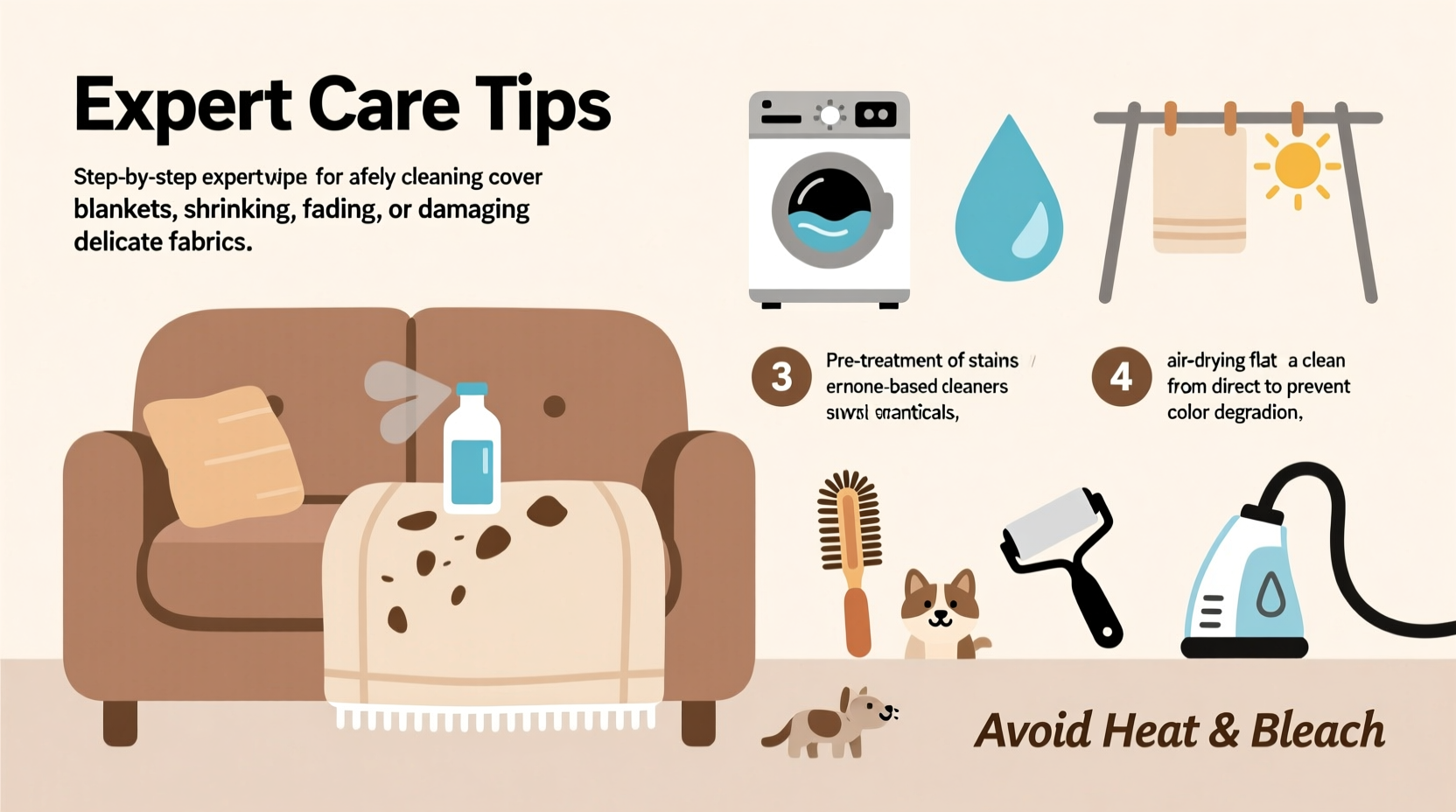
Before any cleaning begins, identifying the fabric composition is essential. Each material has unique care requirements. Washing a wool blanket on a hot cycle, for example, can cause it to felt and shrink dramatically. Similarly, high-spin cycles can damage loosely woven cotton throws.
Check the care label first. Most sofa cover blankets include symbols or written instructions indicating whether they’re machine washable, dry clean only, or hand wash recommended. If no label exists, use visual and tactile cues:
- Cotton: Breathable, absorbent, often slightly wrinkled when dry. Generally safe for cold or warm machine washing.
- Wool/Cashmere: Soft, warm, and sometimes slightly fuzzy. Requires gentle hand washing or wool-safe machine settings.
- Polyester/Microfiber: Smooth, wrinkle-resistant, and quick-drying. Usually machine washable but prone to static and pilling if over-agitated.
- Acrylic/Blends: Often used as wool substitutes. Can handle machine washing but may pill or lose softness over time.
- Chenille: Luxurious texture but sensitive to friction. Best hand washed or spot cleaned.
“Always treat the care label as your primary guide. When in doubt, err on the side of gentler methods.” — Lena Ruiz, Textile Care Specialist at HomeWell Labs
Step-by-Step Guide to Safe Washing
Cleaning a sofa cover blanket properly involves preparation, execution, and post-wash handling. Follow this timeline to minimize risk and maximize results.
- Pre-Treat Stains (5–10 minutes): Use a mild detergent mixed with cold water. Dab—not rub—the solution onto stains with a clean cloth. Let sit for 5 minutes before washing.
- Shake Out Debris (2 minutes): Take the blanket outside and shake vigorously to remove loose dirt, hair, and crumbs.
- Choose the Right Detergent: Avoid bleach and fabric softeners, which degrade fibers and reduce absorbency. Use a gentle, pH-neutral detergent.
- Select Wash Cycle:
- For cotton or synthetic blends: Cold water, delicate/gentle cycle.
- For wool or cashmere: Hand wash setting or “wool” mode if available.
- Never use heavy-duty or permanent press cycles.
- Load Machine Properly: Wash alone or with similar fabrics. Overloading causes friction; underloading leads to excessive tumbling.
- Wash Duration: Typically 30–45 minutes depending on cycle. Do not exceed 40°C (104°F) unless the label explicitly allows it.
- Rinse Thoroughly: Ensure all detergent is removed. Residue attracts dirt and stiffens fabric.
Do’s and Don’ts: Quick Reference Table
| Fabric Type | Do’s | Don’ts |
|---|---|---|
| Cotton | Machine wash cold, tumble dry low, iron if needed | Avoid high heat, don’t overload dryer |
| Wool/Cashmere | Hand wash in cold water, lay flat to dry | No wringing, no machine drying, no bleach |
| Polyester/Microfiber | Machine wash cold, dry on low heat | Avoid fabric softener, don’t iron |
| Chenille | Spot clean or hand wash gently | No machine washing, no scrubbing |
| Acrylic Blends | Machine wash cold, dry flat or low heat | Avoid high temperatures, don’t twist |
A Real Example: Saving a Shrink-Prone Wool Throw
Sarah from Portland owned a hand-knit merino wool blanket passed down from her grandmother. After accidentally washing it in warm water on a regular cycle, the blanket shrank by nearly 30%. The fibers had felted tightly, losing its drape and softness. She consulted a textile conservator who advised soaking it in lukewarm water with baby shampoo, then gently stretching it back to shape while damp and laying it flat to dry. Though it didn’t fully return to original size, the damage was stabilized.
Today, Sarah uses a mesh laundry bag, cold water, and a no-spin hand-wash cycle for her wool items. She also keeps a care card with each blanket, noting fiber type and past reactions to cleaning. Her experience underscores the importance of treating natural fibers with respect—and testing methods on inconspicuous corners first.
Drying Techniques That Prevent Damage
Drying is where most shrinkage occurs. Heat and mechanical stress during tumbling can permanently alter fabric structure. Air drying is almost always safer than machine drying—even on low heat.
Follow these steps for optimal drying:
- Roll in a Towel: After washing, lay the blanket on a clean, dry towel. Roll both up together to absorb excess moisture. Unroll and repeat with a second towel if needed.
- Lay Flat to Dry: Place on a drying rack or clean surface away from direct sunlight and heat sources. Reshape while damp to maintain dimensions.
- Avoid Hanging: Hanging wet blankets can stretch them out of shape, especially knits or heavy weaves.
- If Using a Dryer: Only for sturdy synthetics or cotton blends. Use low heat and remove while slightly damp to prevent over-drying.
“Air drying isn’t just safer—it extends the life of every textile by reducing fiber fatigue.” — Dr. Marcus Lin, Materials Scientist at FiberLife Institute
Essential Cleaning Checklist
Use this checklist before every wash to ensure safety and effectiveness:
- ✅ Check the care label for washing instructions
- ✅ Identify fabric type if label is missing
- ✅ Pre-treat visible stains with gentle detergent
- ✅ Shake out loose debris outdoors
- ✅ Use cold water and gentle cycle (or hand wash)
- ✅ Choose mild, non-bleach detergent
- ✅ Wash separately or with similar fabrics
- ✅ Remove promptly after cycle ends
- ✅ Roll in towel to remove moisture
- ✅ Lay flat to dry, reshaping as needed
Frequently Asked Questions
Can I wash a dry-clean-only sofa blanket at home?
It’s risky. Dry-clean-only labels usually indicate fragile fibers, intricate weaves, or linings that react poorly to water. If you must attempt home cleaning, hand wash in cold water with a silk/wool detergent and skip the spin cycle. However, for valuable or structured blankets, professional cleaning is strongly recommended.
Why did my blanket shrink even on cold wash?
Even cold water can cause shrinkage if combined with high agitation or improper drying. Some fabrics, especially untreated cotton or animal fibers, are naturally prone to compaction. Always follow the full care process—including air drying—to prevent this.
How often should I clean my sofa cover blanket?
Every 4–6 weeks with regular use. Light vacuuming or airing out between washes helps extend cleanliness. Spot clean spills immediately to prevent staining and odor buildup.
Final Thoughts: Care Today, Comfort Tomorrow
Preserving your sofa cover blankets isn’t just about appearance—it’s about maintaining comfort, hygiene, and value. A well-cared-for blanket can last years longer than one subjected to harsh detergents, high heat, or rough handling. By understanding fabric types, following gentle cleaning protocols, and avoiding common pitfalls, you protect both the integrity and softness of your favorite throws.
Start today: pull out one blanket, check its label, and assess its condition. Apply the right method, and notice the difference in texture and durability over time. Small habits compound into long-term results.




 浙公网安备
33010002000092号
浙公网安备
33010002000092号 浙B2-20120091-4
Comments
No comments yet. Why don't you start the discussion?