
Wrap bracelets have become a favorite accessory for their versatility, style, and symbolic meaning—whether handmade with leather and beads or designed with delicate chains and charms. But no matter how beautiful the design, a poorly fitting wrap bracelet can slip, pinch, or feel awkward during wear. Achieving a perfect, personalized fit isn’t complicated, but it does require attention to detail and a few smart techniques. With the right approach, you can ensure your wrap bracelet feels as good as it looks.
Understanding Wrap Bracelet Fit: Why It Matters
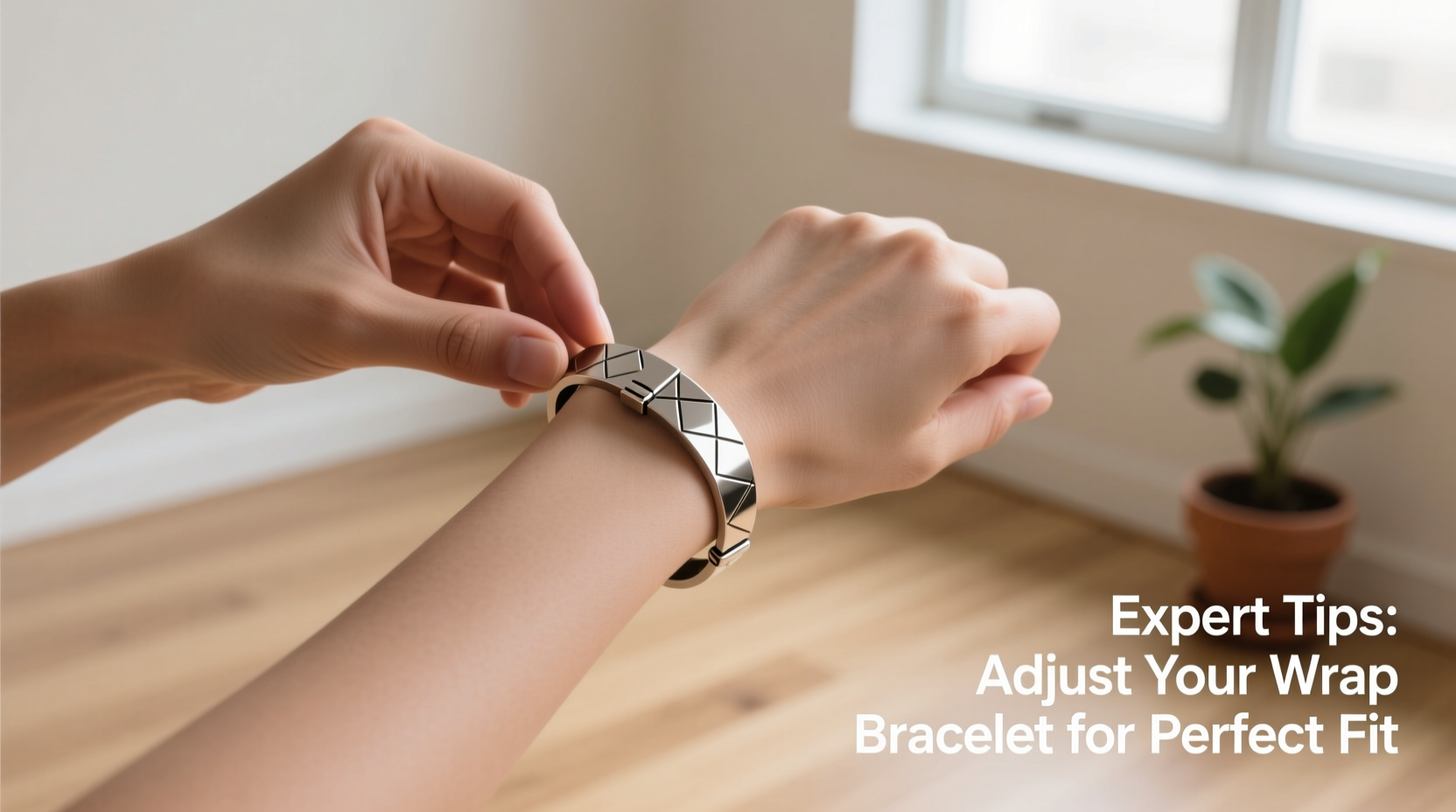
A well-fitted wrap bracelet should sit snugly on your wrist without restricting circulation or sliding around excessively. The ideal fit allows the bracelet to stay in place during normal movement while still being easy to put on and remove. Too loose, and it risks slipping off; too tight, and it may cause discomfort or leave marks on the skin.
Different materials behave differently. Leather stretches slightly over time, while metal chains maintain rigidity. Beaded designs may loosen at knots or connectors. Recognizing these behaviors is key to adjusting your bracelet properly from the start—and maintaining that fit over time.
“Fit is just as important as design when it comes to wearable accessories. A bracelet that fits well becomes an extension of the wearer.” — Lila Monroe, Jewelry Designer & Artisan Craft Consultant
Step-by-Step Guide to Adjusting Your Wrap Bracelet
Whether you're customizing a new purchase or fine-tuning a beloved piece, follow this practical sequence to achieve a seamless, personalized fit.
- Measure your wrist: Use a soft measuring tape to determine your wrist circumference just above the hand. Add 0.5 to 1 inch depending on desired snugness and material stretch.
- Test the current fit: Wrap the bracelet around your wrist 2–3 times (as intended). Check for gaps, twisting, or excessive overlap.
- Identify adjustment points: Look for knots, clasps, extenders, or toggle closures. Most adjustable wrap bracelets allow modification at one or more of these points.
- Shorten or lengthen incrementally: If using knot-based fastening, untie carefully and retie slightly tighter or looser. For chain styles, reposition the clasp on different links.
- Re-test and wear for 10 minutes: Move your hand through natural motions—typing, lifting, gesturing—to see how the bracelet responds.
- Finalize and secure: Once satisfied, trim excess cord (if applicable) or reinforce knots with clear nail polish or jeweler’s glue.
Material-Specific Adjustment Tips
Not all wrap bracelets are adjusted the same way. The method depends heavily on the material used in construction. Below is a comparison guide to help you choose the right technique based on your bracelet type.
| Material | Adjustment Method | Do’s | Don’ts |
|---|---|---|---|
| Leather Cord | Retie knots or add/remove wraps | Use square knots; condition after trimming | Don’t cut too short before testing |
| Chain Metal | Reposition clasp on link loops | Use pliers gently on jump rings | Don’t force open links unevenly |
| Beaded String | Add/remove spacers or re-knot ends | Double-knot with thread locker | Don’t pull threads too tight and crack beads |
| Elastic Fabric | Sew or knot ends to desired length | Use zig-zag stitch if sewing | Don’t overstretch during adjustment |
Real Example: Customizing a Handmade Leather Wrap
Sophia purchased a three-wrap leather bracelet online. Upon arrival, she found that after wrapping twice, the third loop left nearly two inches of dangling cord—both unsightly and impractical. Instead of returning it, she decided to customize the fit herself.
She measured her wrist at 6.75 inches and determined that a total length of 20 inches would give her a snug triple wrap with minimal tail. The original was 23 inches. After removing the clasp temporarily, she trimmed 2.5 inches from the end, sanded the edge lightly, applied leather sealant, and reattached the closure. She then tested the new length by wearing it throughout the day. The result? A secure, elegant fit that stayed in place whether she was working or exercising.
This small effort transformed an ill-fitting accessory into a signature piece she now wears daily.
Essential Checklist: Perfect Wrap Bracelet Adjustment
- ☑ Measure your wrist accurately before making changes
- ☑ Determine how many wraps you prefer (2, 3, or more)
- ☑ Identify the correct adjustment mechanism (knots, clasps, links)
- ☑ Test fit multiple times during adjustment
- ☑ Reinforce knots or connections after finalizing length
- ☑ Condition or seal cut ends (especially leather or fabric)
- ☑ Wear for at least 10–15 minutes to assess comfort and stability
Frequently Asked Questions
Can I resize a wrap bracelet without tools?
Yes, especially if it uses knot-based closures. Most leather or string wraps can be retied by hand. Just ensure the knot is secure and won’t slip under tension. For added durability, apply a drop of clear-drying adhesive to the knot after tying.
How do I know if my wrap bracelet is too tight?
If the bracelet leaves deep marks on your skin, restricts blood flow, or causes numbness or tingling, it's too tight. You should be able to slide a finger between the bracelet and your wrist with slight resistance. Comfort is essential—don’t sacrifice it for style.
Will my wrap bracelet loosen over time?
Some materials, particularly leather and woven fabric, will relax slightly with wear. This is normal. To account for this, aim for a slightly snugger fit initially. Metal chains typically don’t stretch, so their fit remains consistent unless physically altered.
Maintaining Your Custom Fit Over Time
Even after perfect adjustment, regular maintenance ensures lasting comfort. Inspect knots monthly for fraying, check clasps for weakness, and clean according to material guidelines. Leather benefits from occasional conditioning, while metal components should be wiped gently to prevent tarnish.
If you notice slippage or loosening after several months, revisit the adjustment process. Small tweaks—like re-securing a knot or replacing a worn extender chain—can restore optimal fit without needing a full replacement.
“A properly adjusted wrap bracelet shouldn’t demand attention. It should simply feel like it belongs.” — Rafael Jin, Master Jeweler & Accessory Artisan
Conclusion: Make It Yours
Your wrap bracelet is more than an accessory—it’s a reflection of your personal style and rhythm. Taking a little time to adjust it properly transforms it from something you wear into something that fits *you*. Whether it’s a gift, a souvenir, or a self-purchase, a well-fitted wrap becomes part of your everyday story.
Don’t settle for “almost right.” Use these expert-backed methods to tailor your bracelet with confidence. A few simple steps today can lead to years of comfortable, confident wear tomorrow.




 浙公网安备
33010002000092号
浙公网安备
33010002000092号 浙B2-20120091-4
Comments
No comments yet. Why don't you start the discussion?