
A designer handbag is more than an accessory—it’s an investment. Whether you own a classic Chanel flap, a timeless Hermès Birkin, or a modern Bottega Veneta pouch, preserving its condition ensures both aesthetic longevity and resale value. Yet too many luxury bags deteriorate prematurely due to avoidable mistakes: improper storage, exposure to elements, or inconsistent maintenance. With the right habits, your bag can remain pristine for years, retaining its structure, color, and elegance. The key lies not in occasional deep cleaning but in consistent, informed care.
1. Understand Your Bag’s Material and Needs
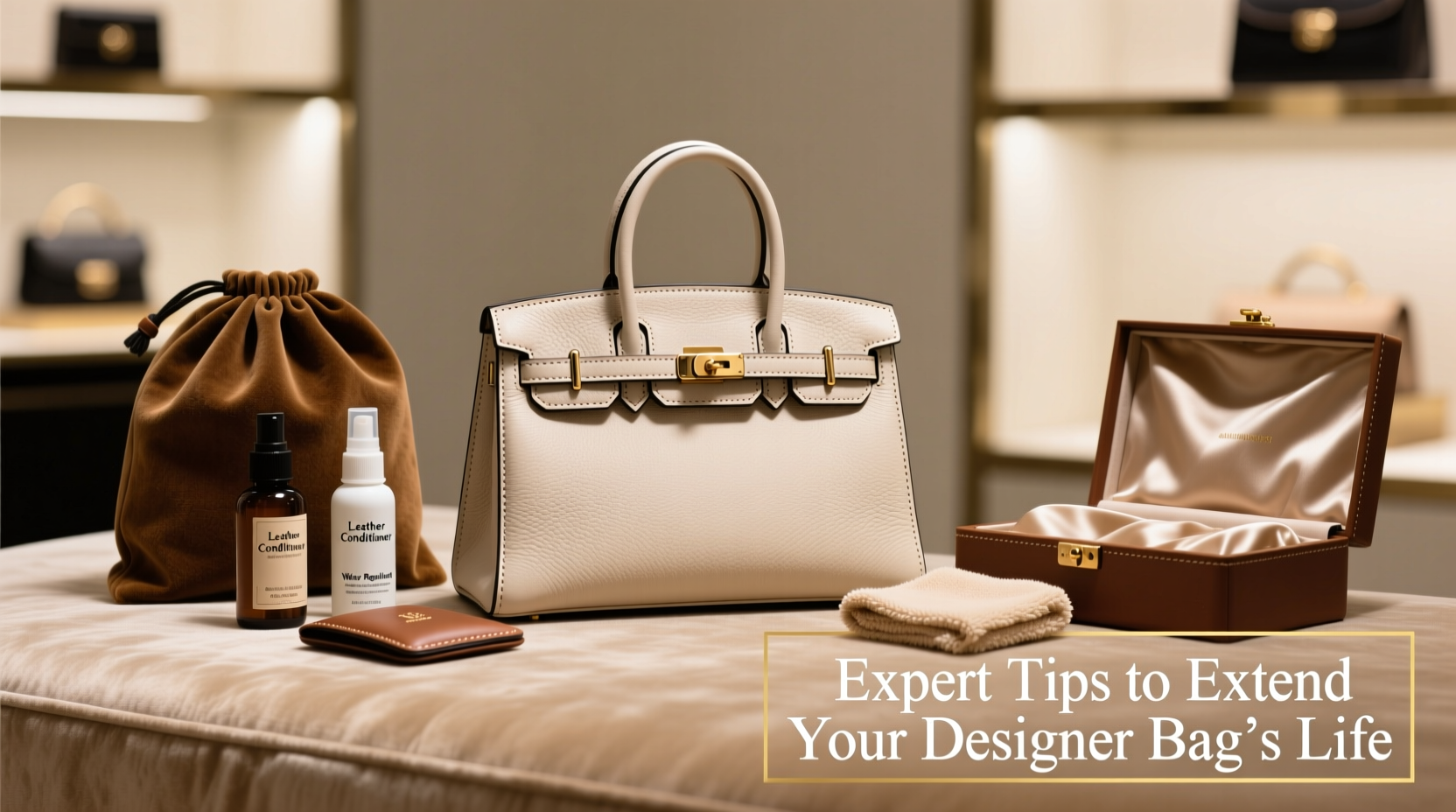
Not all designer bags are created equal. The care routine for a crocodile-embossed leather tote differs vastly from that of a delicate suede clutch or a coated canvas backpack. Recognizing the material is the first step toward effective preservation.
Leather, especially full-grain or exotic varieties, requires conditioning to prevent drying and cracking. Suede and nubuck demand specialized brushes and stain repellents. Canvas and textile blends resist moisture better but can harbor mildew if stored damp. Even hardware—gold-tone, palladium, or ruthenium—reacts differently to environmental exposure.
2. Daily Handling Habits That Make a Difference
How you use your bag daily has a direct impact on its lifespan. Overloading distorts shape; touching hardware with lotion-covered hands accelerates tarnishing; placing it on dirty surfaces invites scratches and stains.
Limit the contents to essentials. A structured satchel stuffed beyond capacity will lose its silhouette, stressing seams and pulling handles out of alignment. Rotate your bags regularly—using one bag every day leads to accelerated wear, while rotation allows materials to “rest” and recover their form.
- Avoid placing your bag on bathroom floors or restaurant seating.
- Clean hands before adjusting straps or zippers.
- Use a microfiber pouch for keys inside the bag to prevent internal scratching.
- Keep perfume and makeup in sealed containers to avoid chemical transfer.
“Consistent care and proper storage can double a bag’s lifespan.” — Emma Clarke, Fashion Care Expert
3. Cleaning: Frequency, Methods, and Products
Cleaning isn’t just about removing visible dirt—it’s about preventing buildup that degrades fibers and finishes over time. The frequency depends on usage: a daily work bag needs light wiping weekly and deeper treatment every 6–8 weeks, while a seasonal piece may only require seasonal maintenance.
Step-by-Step Guide: Monthly Maintenance Routine
- Dust Removal: Use a dry, lint-free microfiber cloth to wipe exterior and interior surfaces.
- Hardware Polish: Gently buff metal corners, zippers, and logos with a jewelry polishing cloth (non-abrasive).
- Stain Check: Inspect for spills or marks. Address immediately with a brand-approved cleaner.
- Interior Vacuum: Use a soft brush attachment on low suction to remove crumbs and debris from lining.
- Conditioning (Leather Only): Apply a pea-sized amount of pH-balanced leather conditioner with a clean cloth, then buff lightly after 10 minutes.
| Material Type | Recommended Cleaner | Avoid At All Costs |
|---|---|---|
| Smooth Leather | pH-neutral leather wipe or cream | Alcohol, vinegar, baby wipes |
| Suede/Nubuck | Suede eraser + brush | Water, standard cleaners |
| Coated Canvas | Mild soap + water (damp cloth) | Scrubbing, soaking |
| Exotic Skins | Specialist reptile conditioner | Direct sunlight, heat |
4. Proper Storage: The Silent Protector
Where and how you store your bag between uses is as crucial as how you carry it. Poor storage leads to creasing, fading, mold, and deformation.
Always store upright with stuffing—acid-free tissue paper or soft cloths maintain shape without compressing padding. Never hang bags by their straps; this stretches delicate chains or weakens leather slings. Keep them in their original dust bags (never plastic, which traps moisture and promotes mildew).
Store in a cool, dark closet away from windows. UV rays break down dyes and weaken fibers. Avoid attics or basements unless climate-controlled—humidity above 60% encourages mold, while dryness below 30% causes leather to crack.
Mini Case Study: Reviving a Neglected Tote
Sophie inherited her mother’s vintage Celine Box Bag, stored for a decade in a cedar chest wrapped in plastic. When opened, the leather was brittle, the corners were faded, and the interior lining had yellowed. She consulted a luxury handbag restorer who explained: cedar oils reacted with the finish, and trapped humidity caused micro-tears. After professional reconditioning—cleaning, recoloring, and re-lining—the bag recovered 90% of its original luster. But the restorer noted: “If it had been stored in a breathable cotton bag with silica gel packets, it might have looked brand new.”
5. Preventative Measures and Long-Term Protection
Proactive protection beats reactive repair. Consider these strategies to shield your investment:
- Apply a protective spray: For suede and fabric bags, a single coat of brand-specific protector repels liquids and stains. Reapply every 3–4 months.
- Use corner guards: Clear silicone protectors on base corners prevent scuffing when placed on surfaces.
- Rotate religiously: Owning two or three high-use bags extends each one’s life by reducing daily stress.
- Track service dates: Schedule professional cleaning once a year, like a car tune-up.
Checklist: Monthly Designer Bag Care Routine
- ✅ Wipe down exterior with appropriate cloth
- ✅ Clean interior with soft vacuum or lint roller
- ✅ Polish hardware gently
- ✅ Check for loose threads or seam wear
- ✅ Re-stuff with tissue to maintain shape
- ✅ Confirm storage environment (dry, dark, ventilated)
Frequently Asked Questions
Can I use household products like coconut oil on my leather bag?
No. While natural oils may temporarily soften leather, they can attract dirt, clog pores, and cause long-term discoloration. Always use products specifically formulated for luxury handbags.
How do I deal with water stains?
For smooth leather, blot gently with a dry cloth and let air-dry away from heat. Once dry, use a leather conditioner. For suede, use a suede brush in one direction once fully dry. Never rub aggressively.
Is it worth repairing a scratched logo plaque?
Yes, especially on high-resale-value pieces. Brands like Dior and Fendi offer refinishing services. Even third-party specialists can restore metal details without devaluing the piece—if done professionally.
Final Thoughts: Treat It Like Heirloom Art
A designer bag deserves the same reverence as fine jewelry or artwork. Its beauty fades not from age, but from neglect. By understanding materials, practicing gentle handling, cleaning mindfully, storing correctly, and protecting proactively, you preserve not just appearance but legacy. These habits don’t demand hours—just consistency and attention. Start tonight: pull out your favorite bag, inspect it, clean it, stuff it properly, and return it to its dust bag with care. That small act could add five, ten, or even fifteen years to its life.




 浙公网安备
33010002000092号
浙公网安备
33010002000092号 浙B2-20120091-4
Comments
No comments yet. Why don't you start the discussion?