
In recent years, AVP building blocks have surged in popularity among hobbyists, educators, and collectors for their precision engineering and creative versatility. However, as demand grows, so does the prevalence of counterfeit sets flooding online marketplaces. These imitations often mimic packaging and design but fall short in safety, durability, and compatibility. Distinguishing a genuine AVP set from a fake isn’t always obvious—especially when replicas grow more sophisticated. This guide delivers actionable, expert-backed strategies to help you confidently verify authenticity before every purchase.
Understand What Makes AVP Blocks Unique
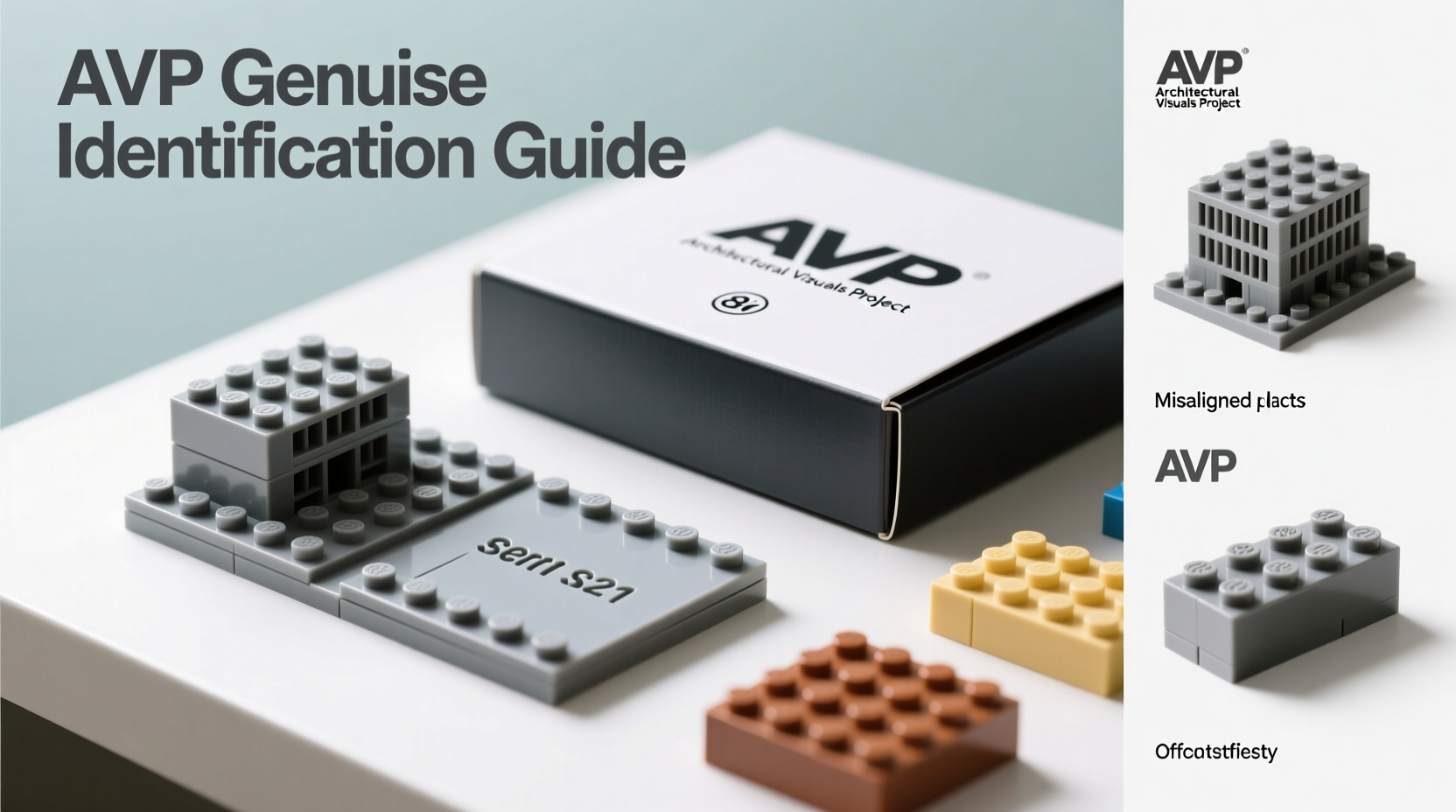
AVP (Advanced Versatile Plastics) has built its reputation on tight tolerances, consistent color pigmentation, and secure interlocking mechanisms. Unlike generic clones, genuine AVP bricks are engineered to precise millimeter specifications, ensuring seamless integration across sets and over time. The company uses high-grade ABS plastic, which resists warping, fading, and brittleness even after repeated use. Each brick is molded under strict quality control, resulting in smooth edges, uniform texture, and clearly defined logos.
Counterfeit manufacturers often cut corners by using recycled or lower-grade plastics. These materials may crack under pressure, lack structural integrity, or produce an unpleasant odor when handled. Recognizing these material differences is the first step toward identifying authenticity.
Inspect Packaging and Branding Details
The packaging of an AVP set is more than just presentation—it’s a key indicator of legitimacy. Authentic boxes feature crisp, high-resolution printing with accurate color gradients and registered trademarks. Look for the official AVP logo, which should be centered, properly aligned, and free of pixelation or smudging.
Check for:
- A unique 12-digit product ID printed on the side flap
- A barcode that scans to AVP’s official database (verify via the AVP website)
- Correct font usage—AVP uses a proprietary sans-serif typeface not found in knockoffs
- Language consistency—official sets list multilingual instructions only in specific regions; mismatched languages suggest rebranding
Counterfeit boxes often use flimsy cardboard, misaligned stickers, or poorly translated instruction manuals. Some even reuse real product numbers lifted from authentic listings, making visual inspection essential.
Do’s and Don’ts When Evaluating Packaging
| Do | Don't |
|---|---|
| Look for embossed textures on the box lid | Trust listings with stock photos only |
| Verify batch codes near the barcode | Accept missing safety certifications |
| Cross-check set number with AVP’s catalog | Buy if the box feels unusually light |
Analyze Brick Quality and Logo Precision
The most reliable way to confirm authenticity is through close examination of individual bricks. Genuine AVP components have the brand logo—a stylized “A” inside a hexagon—molded into the top stud of each standard piece. This logo is sharp, centered, and consistent across all bricks in the set.
Use a magnifying glass or phone camera zoom to inspect:
- Logo clarity: Fuzzy, off-center, or absent logos indicate molds made from worn or copied tools.
- Stud symmetry: All eight studs on a 2x4 brick should be identical in height and shape.
- Internal ribbing: Inside each brick, support ribs are precisely positioned to ensure snug connections without excessive force.
Drop-test a few loose pieces: genuine AVP bricks will bounce slightly when dropped on a hard surface due to their ABS composition, while brittle fakes may shatter or make a dull thud.
“Even minor deviations in stud diameter can compromise long-term build stability. We measure tolerances within ±0.005mm.” — Dr. Lena Torres, Senior Materials Engineer at AVP Manufacturing Division
Follow a Step-by-Step Authentication Process
To eliminate doubt, follow this systematic verification process before finalizing any purchase—whether online or in-store.
- Research the Set Number: Visit the official AVP website and search the product ID. If it doesn’t appear in the current or archived catalog, proceed with caution.
- Contact the Seller: Ask for clear, unedited photos of the sealed box, including barcode and batch code. Reputable sellers comply willingly.
- Examine the Manual: Original instruction booklets include watermark-like security patterns and page numbering in Roman numerals for major builds.
- Test Connectivity: Once received, connect a few pieces to older genuine AVP bricks. If they feel loose or require excessive force, they’re likely incompatible fakes.
- Register the Product: Use the included registration card or online portal. Only authentic sets allow full warranty activation.
Real-World Example: How One Collector Avoided a Costly Scam
Mark R., a high school robotics teacher in Portland, nearly purchased a rare AVP Mars Rover set listed at 40% below retail on an auction site. The photos looked convincing, but something felt off. He requested additional images and noticed the box lacked the usual embossed texture. Upon closer inspection of the provided manual scan, he spotted inconsistent font spacing—a red flag.
He used AVP’s online verification tool to enter the product ID, only to find it linked to a completely different set. Mark reported the listing and later confirmed with AVP customer service that the number had been stolen from a discontinued model. By following protocol, he avoided a $180 loss and potential safety risks from substandard plastic.
Frequently Asked Questions
How can I tell if a used AVP set is still genuine?
Even secondhand, genuine sets retain logo clarity on studs and maintain flexibility in the bricks. Check for yellowing or chalkiness—signs of UV exposure or degraded plastic, common in fakes. If the original box is missing, verify using the instruction manual’s layout and part inventory accuracy.
Are third-party retailers safe for buying AVP sets?
Yes, but only if they are authorized dealers. AVP maintains a public list of certified partners on their website. Avoid marketplace sellers with vague return policies or those who don’t provide direct contact information.
Do genuine AVP sets come with certificates of authenticity?
Limited-edition and collector-tier sets include holographic COAs inside the instruction booklet. Standard sets do not, but can be verified via digital registration using the product ID.
Final Recommendations for Confident Purchasing
Protecting your investment starts with vigilance. Always prioritize authorized sellers, scrutinize physical details upon arrival, and never skip the test build. Educators, parents, and builders alike rely on AVP’s consistency for projects ranging from classroom models to competition robots—compromising on authenticity risks both performance and safety.
Stay updated by subscribing to AVP’s official newsletter, where they regularly publish alerts about known counterfeit batches and new anti-fraud features. Knowledge is your best defense.




 浙公网安备
33010002000092号
浙公网安备
33010002000092号 浙B2-20120091-4
Comments
No comments yet. Why don't you start the discussion?