
Gold plated earrings offer the luxurious appearance of solid gold at a fraction of the cost. However, not all pieces are created equal. With increasing demand comes a flood of subpar products that tarnish quickly, fade within weeks, or misrepresent their metal content. To ensure you're investing in durable, beautiful jewelry, it's essential to know how to distinguish high-quality gold plating from inferior alternatives. This guide reveals the key indicators of craftsmanship, outlines common deceptions, and provides actionable steps to make informed purchases.
Understanding Gold Plating: What It Really Means
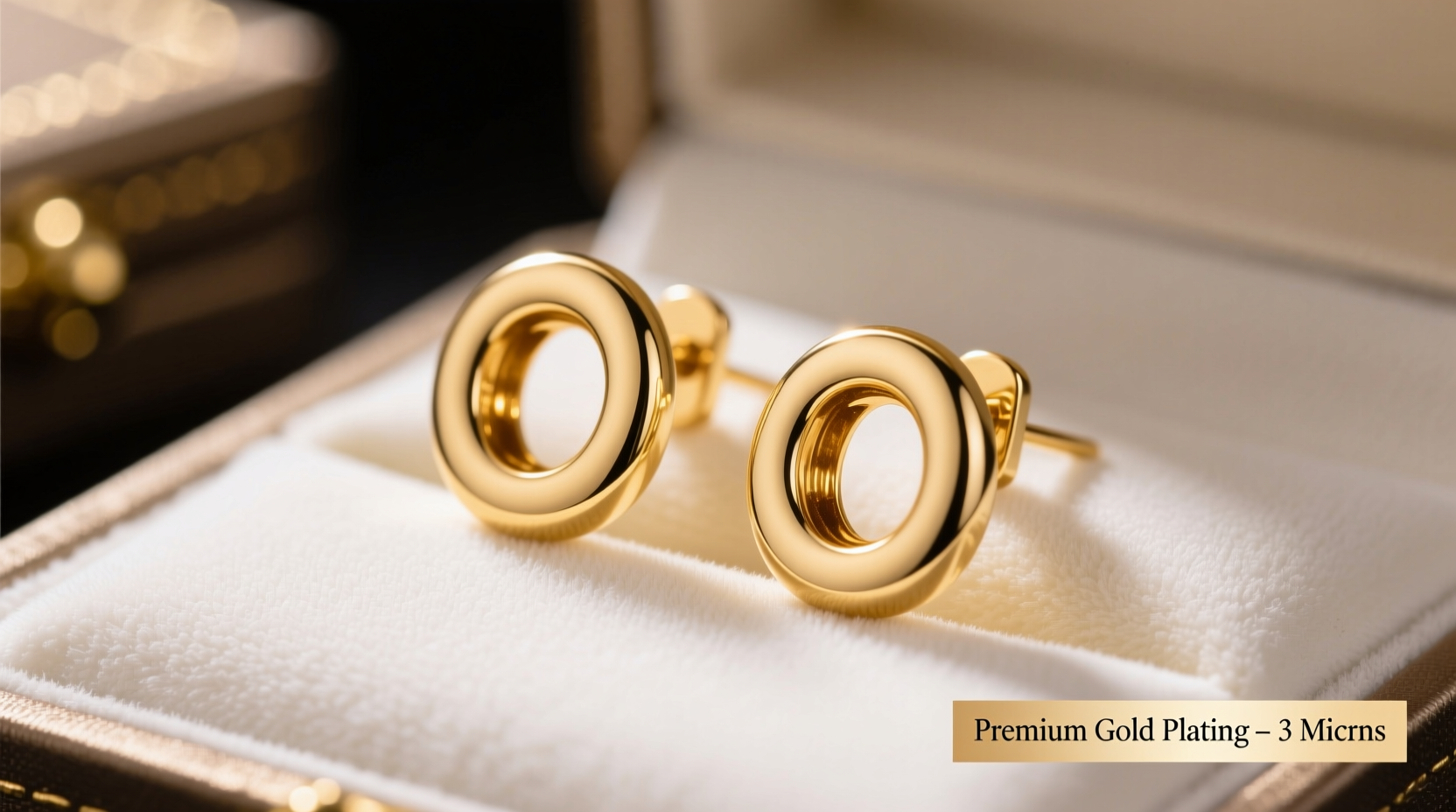
Gold plating involves bonding a thin layer of real gold onto a base metal—typically brass, copper, or sterling silver. The thickness of this layer determines durability and longevity. Unlike solid gold or gold-filled items, gold plated earrings have a much thinner coating, making them more vulnerable to wear over time.
The process used matters significantly. High-quality plating employs electrolysis (electroplating), where an electric current deposits gold evenly across the surface. Cheaper methods may use chemical dipping, resulting in uneven coverage and poor adhesion.
Regulations vary by country, but in the U.S., for a piece to be labeled “gold plated,” it must have a minimum thickness of 0.5 microns of gold. Still, many manufacturers operate just above this threshold, offering minimal protection against daily wear.
Key Indicators of High-Quality Gold Plated Earrings
Discerning quality requires attention to detail. Here’s what to inspect before purchasing:
- Metal Base: The foundation beneath the gold layer is critical. Brass is common, but higher-end pieces use sterling silver or surgical-grade stainless steel, which resist oxidation and reduce skin irritation.
- Plating Thickness: Measured in microns, thicker plating (2–5 microns) resists fading and scratching far better than standard plating (0.5–1 micron).
- Finish Uniformity: Run your finger gently over the surface. A smooth, consistent feel without patches or rough spots suggests professional electroplating.
- Hallmarks & Stamps: Reputable brands stamp their earrings with markings such as “GP” (gold plated), “HGE” (heavy gold electroplate), or “RGP” (rolled gold plate). Absence of any stamp is a red flag.
- Color Consistency: Real gold has a warm, rich tone. If the color appears overly yellow, brassy, or inconsistent under different lighting, the alloy mix may be low grade.
“Many consumers don’t realize that the base metal affects both comfort and longevity. A well-made gold plated earring starts with premium substrates.” — Lena Torres, Jewelry Artisan & Materials Consultant
Common Pitfalls and How to Avoid Them
Even experienced buyers can fall victim to misleading marketing tactics. Below are frequent traps and how to sidestep them.
| Pitfall | What to Watch For | How to Avoid |
|---|---|---|
| “Luxury Finish” Without Specifications | Vague terms with no micron count or base metal info | Demand product details; if unavailable, assume low quality |
| Overly Bright or Artificial Shine | Glossy finish resembling costume jewelry | Compare under natural light; authentic gold has subtle luster |
| No Return Policy or Transparency | Sellers refusing to disclose plating method or origin | Only buy from reputable retailers with clear policies |
| Tarnishing Within Weeks | Green marks on skin or discoloration after short use | Avoid nickel-heavy bases; opt for hypoallergenic materials |
Real Example: Sarah’s Online Purchase Regret
Sarah bought a pair of \"rose gold hoop earrings\" from a popular marketplace site. Advertised as “luxury plated” with “long-lasting shine,” they arrived looking stunning. Within two weeks of regular wear, the gold began flaking near the hinge, revealing a darkened base metal. She later discovered the listing lacked any plating specifications and the seller had multiple negative reviews about tarnishing. After contacting customer support, she learned the earrings contained only 0.3 microns of gold—below legal plating standards. Her experience underscores the importance of vetting sellers and demanding transparency.
Step-by-Step Guide to Evaluating Gold Plated Earrings
Follow this practical sequence when shopping—online or in-store—to ensure you’re getting a quality product.
- Check Product Descriptions Thoroughly: Look for explicit details: plating thickness (in microns), base metal type, and plating method (e.g., electroplating).
- Inspect Visuals Closely: Zoom in on photos. Are there visible seams, bubbles, or uneven coloring? These suggest rushed or flawed plating.
- Verify Brand Reputation: Search reviews, forums, or independent sites like Trustpilot. Brands that stand behind their craftsmanship usually provide warranties or care guides.
- Test Responsibly (In-Store): Gently rub the surface with a soft cloth. High-quality plating won’t smudge or leave residue. Ask if they offer magnification tools to examine micro-details.
- Review Return Policy: Ensure you can return the item if plating defects appear within the first month of careful use.
Frequently Asked Questions
Can I wear gold plated earrings every day?
Yes, but with caution. Daily wear accelerates wear on the gold layer, especially with exposure to moisture, sweat, and cosmetics. Remove them before showering, swimming, or applying skincare products. With proper care, high-quality plated earrings can last 1–3 years of regular use.
How do I clean gold plated earrings safely?
Use a soft, lint-free cloth to gently wipe the surface after each wear. For deeper cleaning, dampen the cloth with lukewarm water and mild soap. Never soak them or use ultrasonic cleaners, as these can strip the plating. Dry immediately with a clean cloth.
Are gold plated earrings hypoallergenic?
Not inherently. If the base metal contains nickel or low-grade alloys, sensitive skin may react. Opt for pieces with a sterling silver or surgical steel base and a thick, sealed gold layer to minimize contact with irritants.
Final Checklist Before Buying
- ✅ Plating thickness listed (ideally 2+ microns)
- ✅ Base metal identified (sterling silver or hypoallergenic alloy preferred)
- ✅ Hallmark or stamp present (e.g., GP, HGE)
- ✅ Seller provides detailed product specs and return policy
- ✅ Independent reviews confirm durability and color accuracy
- ✅ Price aligns with claims—extremely low prices often signal poor quality
Conclusion: Make Smart Choices That Last
High-quality gold plated earrings blend elegance, affordability, and lasting appeal—but only when chosen wisely. By learning to read between the lines of marketing language, inspecting construction details, and prioritizing transparency, you can enjoy radiant accessories without constant replacement. Whether you're building a capsule jewelry collection or seeking statement pieces for special occasions, informed decisions lead to greater satisfaction and value over time.




 浙公网安备
33010002000092号
浙公网安备
33010002000092号 浙B2-20120091-4
Comments
No comments yet. Why don't you start the discussion?