
Brooches are more than just accessories—they’re statements of style, heritage, and personality. Whether inherited, vintage, or newly acquired, a brooch adds elegance to any outfit. But nothing undermines that elegance faster than a sudden drop to the floor or an unnoticed loss during a busy day. A securely fastened brooch not only protects your investment but ensures you wear it with confidence. Understanding the mechanics of brooch closures, fabric compatibility, and daily handling can make all the difference in keeping your piece firmly in place.
Understanding Brooch Backings: The Foundation of Security
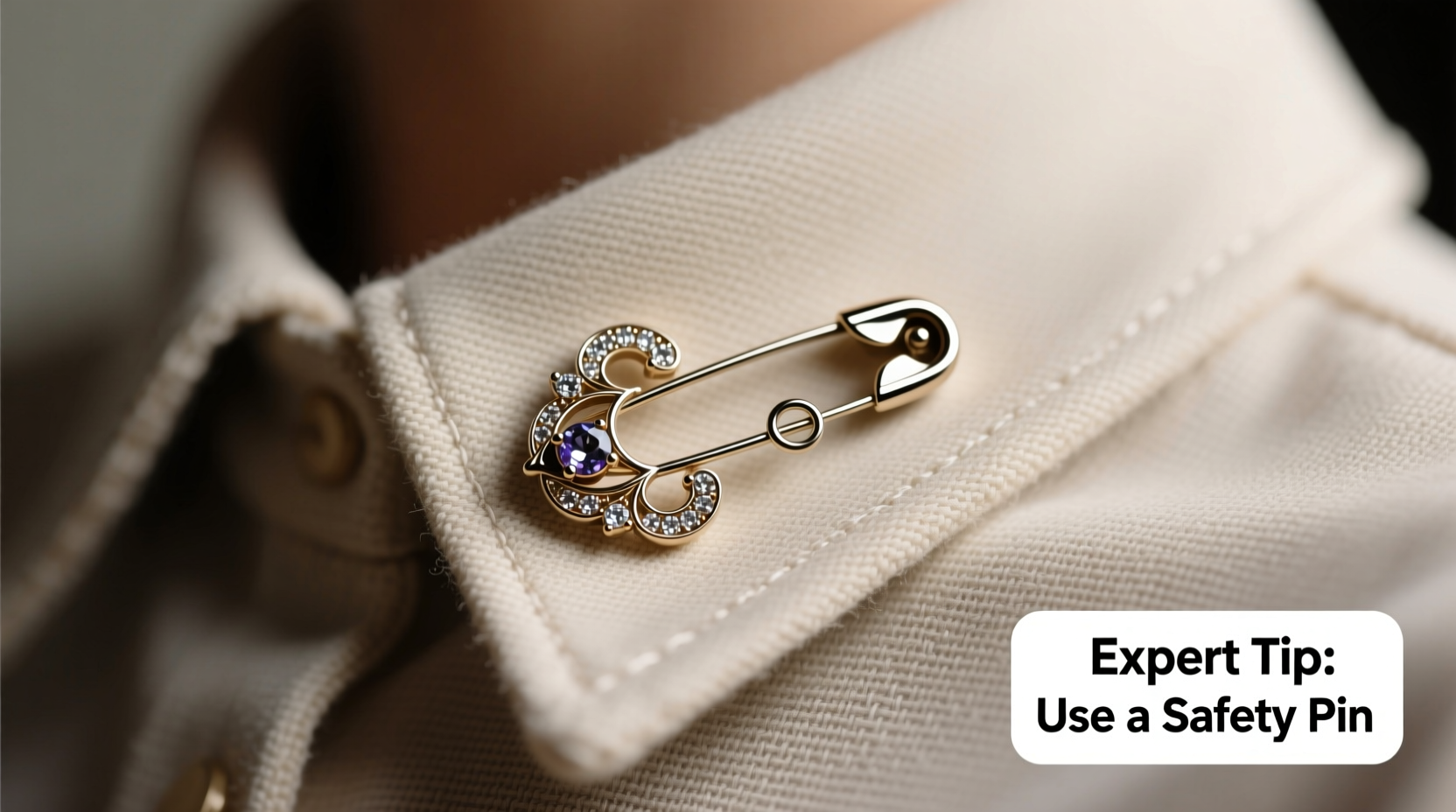
The security of a brooch begins with its backing mechanism. Different types offer varying levels of reliability, ease of use, and longevity. Familiarizing yourself with these options helps you choose the right brooch for your needs—and know when maintenance is required.
- Pin and Catch (C-Type): One of the most common styles, where a pin hooks into a metal catch. While classic, it’s prone to loosening over time if the spring weakens.
- Safety (Locking) Clasp: Features a hinged lever that locks the pin in place. This design significantly reduces accidental detachment.
- Screw Back: Often used on heavier pieces, this requires manually screwing a back onto the pin. Extremely secure but slower to fasten.
- Magnetic Backs: Convenient for lightweight brooches, though not recommended for frequent wear or delicate fabrics due to weaker hold.
Choosing the Right Fabric and Placement
Even the best backing fails if paired with unsuitable fabric or improper placement. Thick wool or tweed holds pins better than slippery silk or stretchy knits. Position matters too—placing a brooch near seams or folds can create weak anchor points.
For optimal grip, aim for structured areas like lapels, collars, or shoulder seams where fabric layers are denser. Avoid placing brooches directly on bias-cut or loosely woven materials unless reinforced with a lining or backing pad.
“Brooch security isn’t just about the clasp—it’s about synergy between closure, weight, and fabric. I’ve seen antique pieces lost in minutes because they were pinned to a flimsy chiffon blouse.” — Lydia Grant, Vintage Jewelry Conservator
Fabric Suitability Guide for Brooch Wear
| Fabric Type | Pin Hold Quality | Recommendation |
|---|---|---|
| Wool, Tweed, Denim | Excellent | Ideal for heavy or frequently worn brooches |
| Cotton, Linen | Good | Suitable with moderate-weight pieces |
| Silk, Satin | Fair | Use lightweight brooches; consider backing reinforcement |
| Knit, Jersey, Chiffon | Poor | Avoid unless using magnetic or sew-on adapters |
Step-by-Step: How to Safely Fasten a Brooch
Proper fastening technique ensures both security and fabric preservation. Follow this sequence every time you wear a brooch:
- Select the location: Choose a sturdy part of the garment with minimal movement or stress.
- Align the pin: Insert the pin at a slight upward angle so the tip emerges beneath the surface, reducing snagging.
- Engage the clasp: Fully open the catch, push the pin through until the clasp clicks or locks.
- Test gently: Tug lightly on the brooch to confirm it won’t slide out.
- Reinforce if needed: For delicate fabrics, add a small rubber or silicone stopper behind the clasp to prevent pull-through.
Preventative Maintenance Checklist
Regular care prevents failures before they happen. Use this checklist monthly or before special events:
- Inspect the pin for bending or corrosion
- Check clasp spring tension—replace if loose
- Clean accumulated dirt from hinge mechanisms
- Verify symmetry and alignment of the brooch face
- Store separately to avoid pressure on the clasp
- Replace worn backs with professional-grade replacements
Real Example: The Lost Heirloom Incident
Sarah attended her cousin’s wedding wearing her grandmother’s Art Deco brooch—a family treasure passed down for generations. She pinned it to the shoulder of her satin dress, a smooth, low-friction surface. Midway through the reception, she felt a tug and looked down to find the brooch missing. After retracing her steps, staff found it near a buffet table, slightly damaged from being stepped on.
Upon inspection, a jeweler noted the C-clasp had weakened over time and wasn’t suited for a slick fabric. Sarah now uses a locking safety back and avoids wearing valuable pieces on dresses without structural support. “I learned the hard way,” she said. “A little prevention would’ve saved me months of anxiety and restoration costs.”
Upgrading for Security: When to Modify Your Brooch
Some brooches, especially antiques, come with outdated or fragile closures. Upgrading doesn’t diminish value—in fact, many collectors prefer pieces modified for safe wear.
Consider converting a C-clasp to a locking safety back or adding a dual-pin system for larger pieces. Reputable jewelers can perform these modifications without altering the brooch’s appearance. For very heavy brooches, a combination of a screw back and fabric reinforcement offers maximum stability.
“Preservation includes functionality. A brooch that can’t be worn safely is functionally obsolete.” — Rafael Nguyen, Antique Jewelry Restorer
FAQ: Common Questions About Brooch Security
Can I wear a brooch on a sweater or knit fabric?
Yes, but with caution. Wool sweaters generally hold pins well, but avoid thin knits. Use a brooch with a secure locking clasp and position it where fibers are tightly woven. Consider adding a fabric backing patch inside the garment for extra hold.
What should I do if my brooch keeps spinning or twisting?
This usually means the pin isn’t centered or the fabric is too flexible. Try repositioning the brooch or using a double-pin adapter. Alternatively, attach a small rubber stopper to limit rotation while maintaining clasp access.
Are magnetic backs safe for everyday use?
They’re convenient for lightweight brooches and sensitive fabrics, but not ideal for daily wear or active lifestyles. Magnets can weaken over time, and strong ones may damage electronic devices or medical implants. Reserve them for occasional use.
Final Thoughts: Secure Wear, Lasting Joy
A brooch deserves more than aesthetic appreciation—it demands thoughtful handling. From choosing the right backing to understanding fabric dynamics, every detail contributes to its security. Regular maintenance, smart placement, and willingness to upgrade outdated mechanisms ensure your brooch remains a trusted companion, not a liability.




 浙公网安备
33010002000092号
浙公网安备
33010002000092号 浙B2-20120091-4
Comments
No comments yet. Why don't you start the discussion?