
Flannel blankets are a staple in homes across the world—prized for their warmth, softness, and nostalgic comfort. Whether draped over a couch or tucked into a bed, a well-maintained flannel blanket can provide years of cozy enjoyment. But like any textile, flannel degrades over time if not cared for properly. Pilling, stiffness, fading, and shrinkage are common issues that turn a once-plush favorite into a rough, lifeless layer. The good news? With the right habits, you can preserve its texture, color, and integrity. These expert-backed strategies will help you maintain your flannel blanket’s softness and extend its lifespan significantly.
Choose the Right Detergent and Wash Cycle
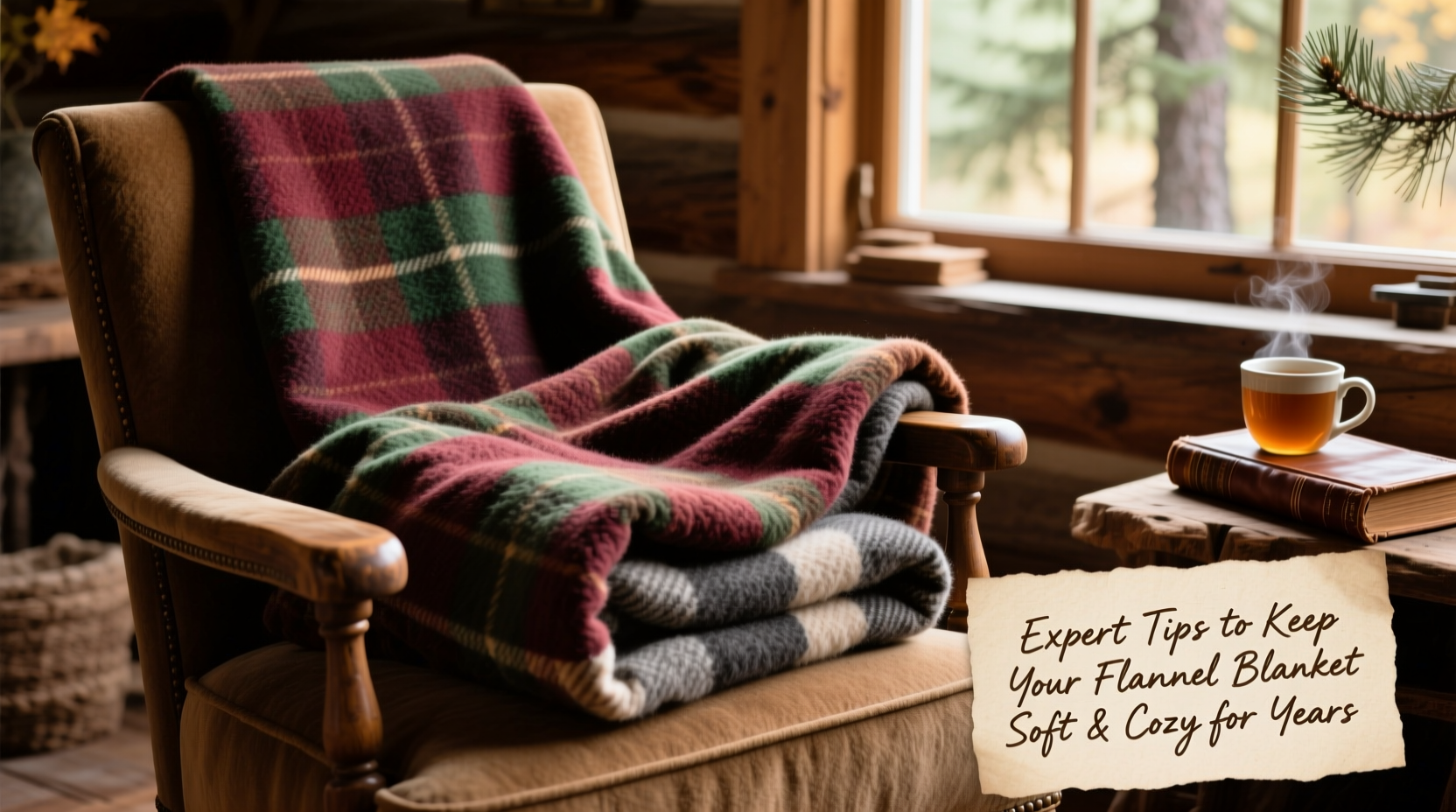
The first line of defense in preserving your flannel blanket’s softness is how you wash it. Flannel is typically made from cotton or wool fibers that have been brushed to create a napped surface. This brushing gives flannel its signature soft feel—but it also makes it vulnerable to damage during laundering.
Use a mild, liquid detergent free from bleach, enzymes, and optical brighteners. Powder detergents often don’t dissolve completely in cold water and can leave residue that stiffens fabric. Opt for detergents labeled “for delicates” or “free & clear,” which are gentler on sensitive textiles.
Always wash flannel in cold water on a gentle cycle. Hot water causes fibers to contract, leading to shrinkage and weakening the fabric structure. High agitation in regular cycles can cause pilling and abrasion. For best results, wash alone or with similar soft fabrics to avoid friction from zippers or buttons.
Dry with Care: Avoid Over-Drying
Drying is where many flannel blankets meet their downfall. Tumble drying on high heat is one of the fastest ways to degrade softness. Excessive heat causes fibers to break down, leading to brittleness, shrinkage, and a rough texture.
To preserve softness, dry your flannel blanket on low heat or air-dry when possible. Remove it from the dryer while slightly damp and lay it flat or hang it to finish drying. This prevents over-drying and helps retain the nap. If using a dryer, add wool dryer balls—they reduce drying time, soften fibers naturally, and minimize static without chemicals.
“Over-drying flannel is like baking bread too long—it loses moisture, becomes stiff, and never regains its original tenderness.” — Lena Pruitt, Textile Care Specialist, Pacific Home Institute
Step-by-Step Guide: Ideal Washing & Drying Routine
- Turn the blanket inside out to protect the napped surface.
- Use cold water and a gentle cycle with mild liquid detergent.
- Add ½ cup of white vinegar during the rinse cycle (optional).
- Remove promptly after washing; do not let sit wet.
- Tumble dry on low heat with wool dryer balls, or air-dry flat.
- Smooth out wrinkles by hand before folding.
Prevent Pilling and Fabric Breakdown
Pilling—the formation of small fiber balls on the surface—is a common complaint with flannel. It occurs due to friction during use and laundering. While some pilling is natural over time, aggressive care accelerates it.
- Wash flannel less frequently. Spot clean minor stains instead of full washes.
- Avoid washing with heavy items like jeans or towels that create abrasion.
- Use a mesh laundry bag to reduce rubbing during the wash cycle.
- Never use fabric softener. Though marketed to soften fabrics, most contain silicones and waxes that coat fibers, clog pores, and lead to stiffness over time.
Proper Storage for Longevity
How you store your flannel blanket between seasons plays a crucial role in maintaining its quality. Folding and stacking heavy items on top can cause permanent creases and fiber stress. Moisture and pests are additional risks.
Store flannel in a cool, dry place away from direct sunlight, which fades colors and weakens fibers. Use breathable cotton storage bags instead of plastic bins, which trap humidity and encourage mildew. Cedar blocks or lavender sachets can deter moths without harsh chemicals.
| Storage Do’s | Storage Don’ts |
|---|---|
| Use breathable cotton bags | Store in plastic bins |
| Fold loosely or roll gently | Compress under heavy objects |
| Place with natural moth repellents | Store in damp basements |
| Rotate position seasonally | Leave folded in attics long-term |
Real Example: How One Family Preserved a Heirloom Blanket
The Thompson family owns a red-and-black plaid flannel blanket passed down from a great-grandmother. Purchased in 1952, the blanket has remained soft and intact despite decades of use. Their secret? A strict care routine.
Mary Thompson, now 78, explains: “We only wash it twice a year. My daughter hand-washes it in the bathtub with baby shampoo, then lays it over the shower rod to dry. When storing, we wrap it in an old pillowcase with dried rosemary.”
Though not machine-tested, this method aligns with expert principles: minimal washing, gentle cleansers, air-drying, and chemical-free pest protection. The blanket remains a cherished piece, both functionally and emotionally—a testament to mindful maintenance.
Seasonal Maintenance Checklist
To ensure your flannel blanket stays soft year after year, follow this seasonal checklist:
- ✅ Wash only 2–4 times per year unless soiled.
- ✅ Inspect for loose threads or thin spots before storing.
- ✅ Rotate usage if multiple blankets are owned.
- ✅ Refresh scent with a light spritz of linen spray (water + few drops essential oil).
- ✅ Air out outdoors for 1–2 hours every spring and fall (avoid direct sun).
- ✅ Store with natural repellents and refold differently each season.
Frequently Asked Questions
Can I use fabric softener to make my flannel softer?
No. Fabric softeners coat fibers with synthetic residues that build up over time, reducing breathability and causing stiffness. Instead, use white vinegar in the rinse cycle or wool dryer balls to naturally soften the fabric.
Why does my flannel blanket feel scratchy after washing?
This is usually due to hot water, harsh detergents, or over-drying. Cold water, mild detergent, and low-heat drying help retain softness. Residual detergent can also cause irritation—rinse thoroughly or rewash with vinegar.
Is it safe to dry clean a flannel blanket?
Dry cleaning is generally unnecessary and potentially harmful. The chemical solvents used can strip natural oils from cotton and damage the nap. Hand or machine washing with proper technique is safer and more effective.
Final Thoughts: Make Softness Last
A flannel blanket isn’t just bedding—it’s comfort, memory, and warmth woven into fabric. Treating it with care ensures it remains a source of coziness for years, even decades. By choosing gentle detergents, avoiding high heat, preventing pilling, and storing thoughtfully, you protect not just the material but the moments it wraps around.
These habits require little extra effort but deliver lasting rewards. Whether it’s a new purchase or a beloved heirloom, your flannel deserves consistent, informed care. Start today—your future self, wrapped in softness on a chilly evening, will thank you.




 浙公网安备
33010002000092号
浙公网安备
33010002000092号 浙B2-20120091-4
Comments
No comments yet. Why don't you start the discussion?