
A gold-toned keychain adds a touch of elegance to everyday carry, whether clipped to a bag, belt loop, or set of keys. However, over time, exposure to environmental factors and daily wear can dull its luster, cause tarnishing, or lead to flaking of the gold plating. Preserving that radiant finish isn’t just about aesthetics—it’s about maintaining value, durability, and pride in your accessories. With proper care, even plated finishes can retain their brilliance for years. This guide delivers practical, field-tested strategies to keep your gold keychain shining like new.
Understand the Type of Gold Finish
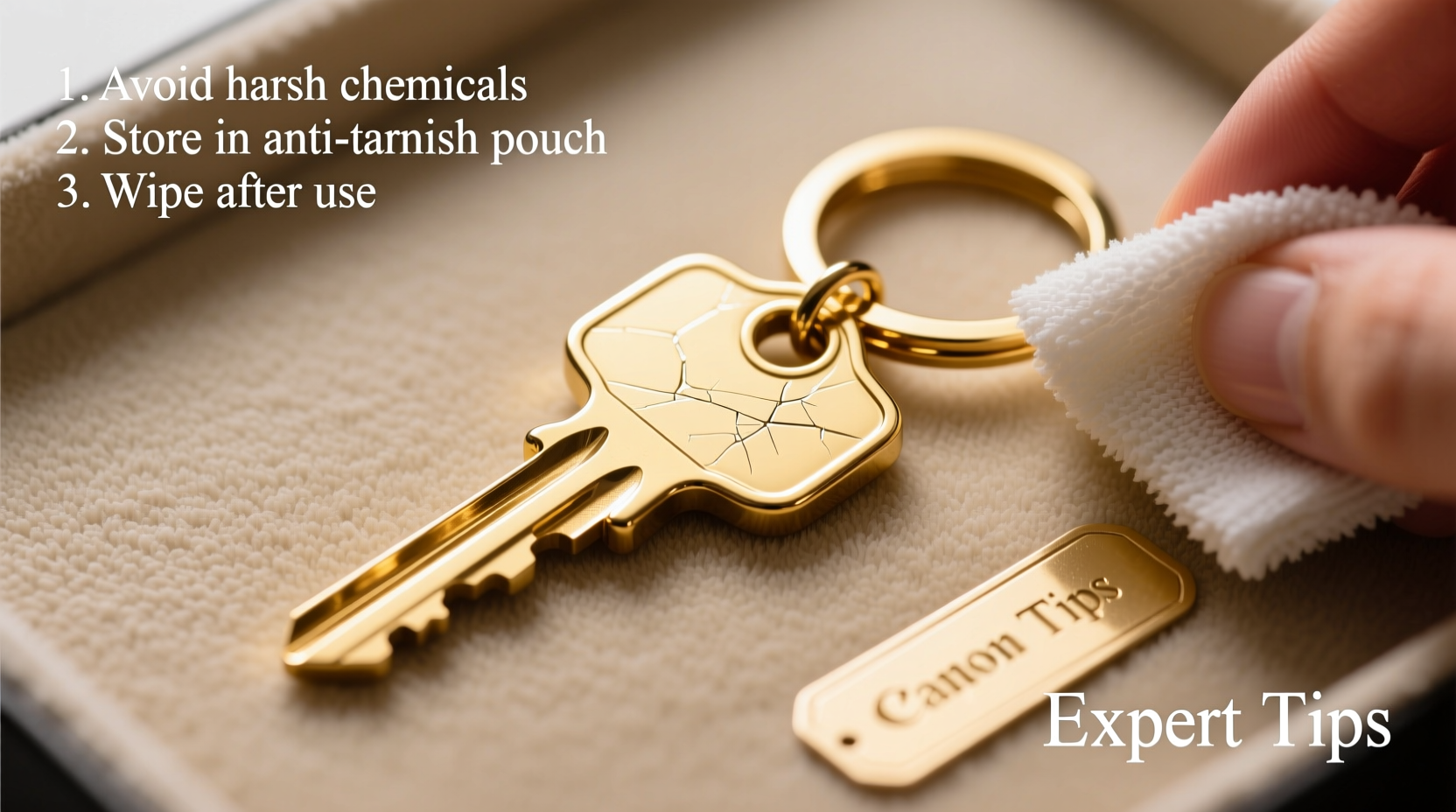
Not all gold-colored keychains are created equal. The longevity of the gold tone depends heavily on the type of finish applied during manufacturing. Recognizing what you’re working with is the first step toward effective preservation.
- Gold Plating: A thin layer of real gold (typically 14k–24k) electroplated over a base metal like brass or stainless steel. While authentic, this layer can wear off with friction or chemical exposure.
- PVD Coating (Physical Vapor Deposition): A more durable, molecular-level bond often used in high-end accessories. Resists scratches and fading better than standard plating.
- Gold Tone / Imitation Finish: Usually a brass alloy or colored coating without real gold. Less expensive but more prone to oxidation and discoloration.
Keychains made with PVD-coated finishes can last five years or more with minimal care, while traditional gold plating may begin to fade within months if mishandled.
“Knowing your finish determines your maintenance strategy. PVD is tough, but plating needs gentle handling.” — Lena Torres, Jewelry Preservation Specialist
Daily Habits That Make a Difference
Much of a keychain’s deterioration comes from routine exposure to substances most people overlook. Simple behavioral adjustments can dramatically extend the life of the gold finish.
Skin oils, sweat, and cleaning agents gradually erode metallic coatings. Even frequent contact with denim or rough fabrics creates micro-abrasions that compromise the surface over time. To minimize damage:
- Avoid wearing the keychain directly against the skin for extended periods.
- Keep it away from household cleaners, chlorine, saltwater, and acidic substances.
- Rotate between multiple keychains to reduce continuous wear on one piece.
The Impact of Environmental Exposure
Humidity and air pollution play silent but significant roles in tarnishing. Sulfur compounds in the air react with metals beneath the gold layer, causing discoloration. High-moisture environments, such as bathrooms or coastal regions, accelerate this process.
Storing your keychain in a dry, enclosed space when not in use—especially overnight—can prevent up to 70% of premature wear.
Step-by-Step Cleaning Routine for Gold-Finished Keychains
Cleaning too aggressively damages the finish; neglecting it invites buildup. Follow this six-step method monthly—or whenever the surface feels dull or sticky.
- Remove from keys: Detach the keychain to clean every surface thoroughly.
- Rinse gently: Use lukewarm water to wash off dust and grime. Do not soak if the piece has glued elements.
- Use a soft cloth with mild soap: Dampen a microfiber or lint-free cloth with a drop of pH-neutral dish soap. Gently wipe the surface using light pressure.
- Avoid brushes or abrasives: Toothbrushes, paper towels, or polishing cloths designed for silver can scratch gold plating.
- Rinse and dry completely: Pat dry immediately with a clean cloth. Let air-dry for 5 minutes to ensure no moisture remains in crevices.
- Buff lightly: Use a dry microfiber cloth in circular motions to restore shine.
Proper Storage Techniques to Prevent Damage
Where and how you store your keychain when not in use is just as important as how you wear it. Poor storage leads to scratches, oxidation, and unnecessary friction.
| Storage Method | Recommended? | Why |
|---|---|---|
| Jumbled in a drawer with coins and keys | No | Causes constant scratching and metal-on-metal abrasion |
| On a hook in a humid bathroom | No | Moisture promotes tarnish and weakens adhesion |
| In a soft pouch or fabric-lined box | Yes | Prevents contact damage and shields from air pollutants |
| With anti-tarnish strips in an airtight container | Yes (Ideal) | Slows oxidation and controls humidity exposure |
For maximum protection, place the pouch inside a sealed plastic container with a silica gel packet to absorb ambient moisture.
Real Example: How One Traveler Maintained Shine for Over Three Years
James R., a frequent international traveler, owns a gold-plated titanium keychain he’s carried daily since 2021. Unlike others who report fading within months, his piece still gleams under light. His secret? A disciplined care system rooted in awareness.
He removes the keychain before swimming, washing hands, or applying skincare products. At night, he places it in a small velvet-lined case stored in his suitcase’s accessory compartment. Every six weeks, he performs a quick clean using a damp microfiber cloth and dries it immediately. He also avoids attaching it to heavy key rings that could bend or stress the clasp.
“I treat it like a watch,” James says. “It’s small, but it represents quality. A little attention goes a long way.”
Checklist: Monthly Keychain Maintenance Routine
Stay proactive with this simple checklist to ensure consistent care:
- ☐ Inspect for signs of flaking, cloudiness, or discoloration
- ☐ Clean with a soft cloth and mild soap solution
- ☐ Dry thoroughly—no residual moisture
- ☐ Check the split ring or clasp for weakness or corrosion
- ☐ Store in a protective pouch or container
- ☐ Rotate usage if you own multiple keychains
Frequently Asked Questions
Can I polish a faded gold keychain at home?
Only if it has a thick gold layer or solid gold construction. Most keychains are plated, and polishing creams can remove the remaining gold. Stick to gentle wiping instead. If severely worn, consult a professional jeweler for re-plating options.
Why does my gold keychain turn black in spots?
This is typically tarnish forming on the base metal where the gold layer has worn thin. It indicates exposure to sulfur, moisture, or skin acids. Immediate cleaning and improved storage can halt further spread, but affected areas may not fully recover.
Is it safe to wear a gold keychain in the shower?
No. Hot water opens pores in the metal coating, allowing soaps, minerals, and steam to penetrate and degrade the bond between layers. Always remove before bathing.
Final Thoughts: Small Efforts, Lasting Results
The brilliance of a gold-finished keychain doesn’t have to be fleeting. With informed choices in handling, cleaning, and storage, you can preserve its appearance far beyond typical expectations. The key is consistency—not perfection. You don’t need elaborate tools or costly treatments. Just mindful habits that respect the delicate nature of metallic finishes.
Whether your keychain is a personal keepsake, a gift, or a statement of style, protecting its shine reflects pride in the details. Start today by giving it a gentle wipe and placing it in a safe spot. Over time, these small actions compound into remarkable longevity.




 浙公网安备
33010002000092号
浙公网安备
33010002000092号 浙B2-20120091-4
Comments
No comments yet. Why don't you start the discussion?