
Bug splatter on your car’s paint is an inevitable part of driving, especially during warmer months or on rural roads. While it may seem like a minor nuisance, leaving insect residue unattended can lead to serious damage. The acidic components in dead bugs—such as proteins and bodily fluids—can etch into your vehicle’s clear coat within hours, leading to permanent staining or even paint corrosion. The key is not just removing the mess, but doing so safely, without introducing swirls, scratches, or dulling the finish. This guide delivers expert-backed strategies to clean bug splatter effectively while preserving your car’s showroom shine.
Why Bug Splatter Damages Car Paint
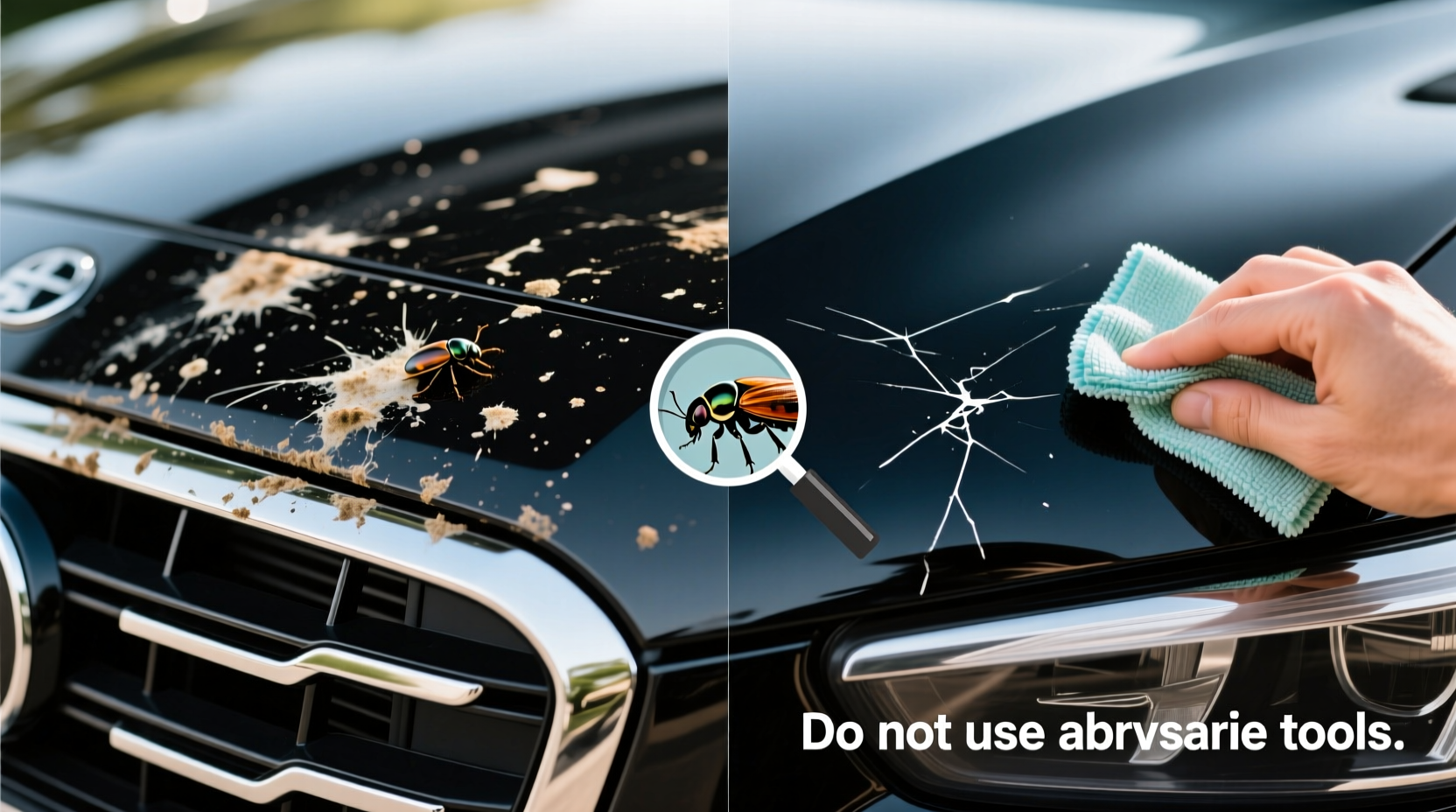
Insect remains aren’t just unsightly—they’re chemically aggressive. When a bug impacts your vehicle at high speed, its body ruptures and bonds with the surface. Over time, heat from the sun or engine accelerates the breakdown of organic material, releasing mild acids that degrade automotive clear coats. According to Dr. Alan Reeves, a materials scientist specializing in automotive coatings, “The pH level of decomposing insect matter can drop below 4.5, which is comparable to vinegar. On hot surfaces, this reaction happens faster, increasing the risk of irreversible bonding.”
The longer you wait, the harder it becomes to remove the residue without abrasive scrubbing—precisely what leads to micro-scratches. Immediate attention is crucial, but so is technique. Aggressive wiping with dry cloths or paper towels only grinds debris into the paint, creating fine marring visible under sunlight.
“Never let bug splatter sit for more than a few hours, especially in direct sun. Once it sets, you’re not cleaning—it’s restoration work.” — Marcus Hale, Certified Detailer & ASE Automotive Finish Specialist
Safe Methods to Remove Bug Residue Without Scratching
Cleaning bug splatter doesn’t require harsh chemicals or power tools. With the right approach, most buildup can be lifted gently using water-based solutions and soft materials. Below are proven techniques endorsed by professional detailers.
1. Pre-Rinse with Lukewarm Water
Before touching the surface, rinse the affected area thoroughly with lukewarm water. This softens dried proteins and loosens particles, reducing friction during wiping. Avoid high-pressure sprayers directly on dried splatter; they can push debris deeper into pores in the paint.
2. Use a Clay Bar System
A detailing clay bar is one of the safest ways to remove bonded contaminants like bug residue, tree sap, or industrial fallout. It works by gliding over the paint with a lubricant (usually a quick detailer spray), lifting embedded particles without abrasion.
To use:
- Knead the clay bar into a flat patty.
- Spray a clay lubricant generously on a small section (e.g., headlight to windshield).
- Gently glide the clay back and forth using light pressure.
- Wipe dry with a microfiber towel.
- Fold the clay to expose a clean side every few inches.
Clay bars do not contain abrasives and won’t scratch when used correctly. They’re particularly effective when bug splatter has been sitting for a day or two.
3. Apply a Dedicated Bug & Tar Remover
Commercial bug and tar removers are formulated to dissolve organic and sticky residues without harming wax or ceramic coatings. Look for products labeled pH-balanced and safe for clear coats, such as Meguiar’s Bug & Tar Remover or CarPro Iron X (which also removes metal fallout).
Application steps:
- Shake well and spray directly onto the affected zone.
- Wait 30–60 seconds for the formula to penetrate (do not let it dry).
- Wipe gently with a plush microfiber cloth using straight-line motions.
- Rinse afterward to remove any chemical residue.
Step-by-Step Guide: Deep Cleaning Bug-Splattered Front End
For vehicles returning from long drives with heavy insect buildup, follow this detailed process:
- Park in the shade – Never clean a hot surface. Heat causes cleaners to evaporate too quickly, increasing friction.
- Rinse thoroughly – Use a garden hose or pressure washer (on low) to saturate the hood, grille, headlights, and bumper.
- Apply pre-wash foam (optional) – A snow foam cannon helps lift grime before contact washing.
- Wash with two-bucket method – Use pH-neutral car shampoo and a soft microfiber wash mitt. Work top-down to avoid dragging dirt upward.
- Treat stubborn spots – For remaining residue, apply bug remover or mist the area with warm, soapy water and cover with a microfiber towel for 5 minutes to soften.
- Clay the surface – After washing, decontaminate with a clay bar to ensure all invisible pollutants are removed.
- Dry with a waffle-weave towel – Prevent water spots and lint left behind by inferior fabrics.
- Inspect under bright light – Check for missed spots or texture changes indicating contamination.
Do’s and Don’ts of Bug Removal
| Do’s | Don’ts |
|---|---|
| Use soft, clean microfiber towels | Scrub with paper towels or rough sponges |
| Work in shaded, cool conditions | Clean under direct sunlight or on hot paint |
| Lubricate before wiping or claying | Dry wipe any contaminated surface |
| Use dedicated automotive bug removers | Use household degreasers or oven cleaners |
| Change towel sides frequently | Reuse dirty sections of cloth |
| Follow up with wax or coating | Leave cleaned areas unprotected |
Real-World Example: Restoring a Road-Trip Ravaged SUV
Jenna, a travel photographer based in Colorado, drove her silver SUV through the Midwest plains in early July. Over three days, her front end accumulated hundreds of bug impacts, particularly around the grille and headlights. By the time she returned home, some splatters had turned brown and were difficult to wipe off.
She initially tried rinsing and wiping with a dishrag—only making things worse by smearing residue and creating faint swirl marks. Realizing she needed a better solution, she followed the two-step decontamination process: first washing with Chemical Guys Nonsense Snow Foam, then applying a clay bar with detail spray lubricant. Afterward, she used Sonax Bug Remover on persistent spots and finished with a ceramic-infused wax.
The result? Her paint looked factory-fresh again, with no new scratches introduced. She now keeps a travel detailing kit in her trunk, including a mini clay bar, microfiber cloths, and a spray bottle of diluted bug remover for immediate post-drive care.
Household Alternatives (When You’re on the Go)
If commercial products aren’t available, several common items can help loosen bug splatter—though caution is essential.
- Warm soapy water: Mix car shampoo or mild dish soap (like Dawn) with warm water. Soak a microfiber cloth and lay it over the spot for 5–10 minutes before gentle wiping.
- Vinegar-water solution (50/50): Slightly acidic, vinegar can break down proteins. Spray, wait briefly, then rinse completely. Do not use on matte finishes or unsealed paint.
- Coconut oil or baby oil (sparingly): Oils can dissolve dried residue. Apply a tiny amount, wait 1–2 minutes, then wipe with a damp microfiber and rewash the area.
Note: These alternatives are temporary fixes. Always follow up with a proper wash and protective coating to prevent long-term effects.
Prevention: How to Minimize Future Buildup
While you can’t eliminate bugs entirely, proactive measures reduce both frequency and severity of splatter adhesion.
- Install a bug deflector or mesh grill guard – These accessories redirect airflow and stop insects before they hit critical surfaces.
- Apply hydrophobic coatings – Ceramic coatings or graphene sealants create slick surfaces where bugs slide off more easily.
- Wax regularly – A high-quality carnauba or synthetic wax forms a sacrificial barrier that protects the clear coat and makes cleanup easier.
- Drive during cooler hours – Insects are less active early morning or late evening, reducing impact rates.
- Use a front-end cover during storage – Especially useful for classic or show cars kept outdoors.
FAQ: Common Questions About Bug Removal
Can I use a pressure washer to remove bug splatter?
You can, but only with caution. Use a wide-angle nozzle and keep the wand at least 18 inches away. Never aim directly at rubber seals, trim, or emblems. Always pre-soak the surface first to avoid forcing debris into the paint.
Will bug splatter ruin my ceramic coating?
Not immediately, but prolonged exposure increases the risk of etching, especially if the coating is low-quality or improperly applied. Even coated vehicles should be rinsed after long drives. Top-tier ceramic layers resist acid better, but they aren’t invincible.
How soon should I clean bug splatter?
Ideal window: within 1–2 hours. In hot, sunny conditions, damage can begin in under 30 minutes. If you can’t wash the car immediately, at least rinse the front end with water to slow chemical degradation.
Checklist: Bug-Safe Cleaning Routine
- ✅ Park in the shade or wait until evening
- ✅ Rinse the affected area with lukewarm water
- ✅ Wash with pH-neutral shampoo and microfiber mitt
- ✅ Treat remaining spots with bug & tar remover
- ✅ Decontaminate with clay bar if needed
- ✅ Dry with clean, absorbent microfiber towel
- ✅ Reapply wax or sealant to high-impact zones
- ✅ Store cleaning supplies in your vehicle for emergencies
Final Thoughts: Protect Your Paint Like a Pro
Removing bug splatter isn’t just about aesthetics—it’s a form of preventive maintenance. Every smear left behind is a potential point of failure in your paint’s defense system. By adopting gentle, informed techniques, you preserve not only the appearance but also the resale value of your vehicle. The best results come from combining prompt action with quality tools: soft cloths, proper lubrication, and trusted products designed specifically for automotive surfaces.
Whether you're a daily commuter or a weekend road-tripper, make bug cleanup part of your routine. A few minutes of care today can save hours of polishing—or costly repaints—tomorrow.




 浙公网安备
33010002000092号
浙公网安备
33010002000092号 浙B2-20120091-4
Comments
No comments yet. Why don't you start the discussion?