
A single shoulder bag is more than a fashion accessory—it’s a daily companion. Whether you're commuting, traveling, or heading to a meeting, the right bag should withstand wear while elevating your look. Yet, not all shoulder bags are built equally. Many appear stylish at first glance but fail within months due to weak construction or poor materials. To avoid disappointment and wasted investment, it's essential to know how to identify true quality.
High-quality single shoulder bags balance form and function. They use durable materials, precise craftsmanship, and thoughtful design details that stand the test of time. With so many options on the market, from luxury labels to fast-fashion brands, knowing what to inspect can save money and reduce clutter in your wardrobe. This guide breaks down the key indicators of a well-made shoulder bag, helping you make informed choices that last.
Material Matters: What to Look For
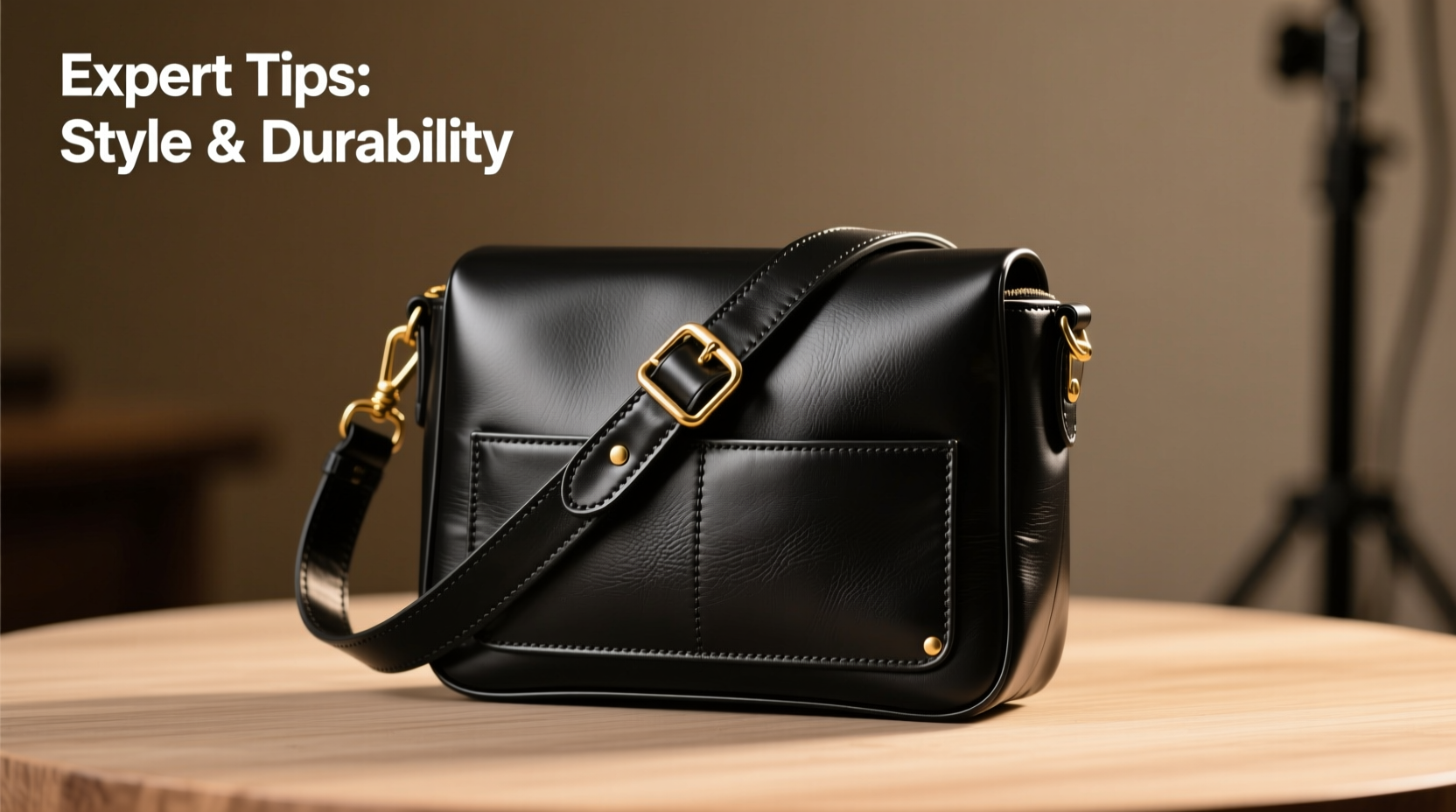
The material is the foundation of any bag’s longevity and appearance. A premium shoulder bag typically uses full-grain leather, waxed canvas, ballistic nylon, or high-density polyester. These materials resist abrasion, water damage, and fading far better than synthetic leathers or thin fabrics.
Full-grain leather, in particular, is considered the gold standard. It retains the natural grain and fibers of the hide, making it stronger and more breathable than corrected or bonded leather. Over time, it develops a rich patina rather than cracking or peeling. When examining a leather bag, press the surface with your finger—if it wrinkles slightly and returns to shape, it’s likely genuine and pliable.
For non-leather options, look for tightly woven textiles like Cordura nylon or oil-treated canvas. These are commonly used in military and outdoor gear for their resilience. Avoid polyurethane (PU) leather, which may look sleek initially but often delaminates after six to twelve months of regular use.
Stitching and Construction: The Hidden Strength
Beyond aesthetics, the real strength of a bag lies in its seams. Double-stitched or box-stitched construction is a hallmark of durability. Single stitching may suffice for lightweight clutches, but shoulder bags carry weight and stress, requiring reinforced seams at critical points like strap attachments and corners.
Look for even, tight stitches with no loose threads or skipped sections. Ideally, there should be 8–12 stitches per inch. Gaping stitches or wavy seams indicate rushed production. Pay special attention to where the strap meets the body—the junction should feature bar tacking or X-stitching, techniques that distribute tension and prevent tearing.
Another sign of quality is lining. Cheap bags often use flimsy polyester linings that rip easily. Premium versions use heavy-duty cotton twill, jacquard weave, or water-resistant fabric. The lining should be neatly tucked, not visible from the outside, and secured without glue residue.
“Stitching isn’t just cosmetic—it’s structural. A well-sewn bag can endure years of daily use.” — Daniel Reyes, Artisan Leather Craftsman
Hardware That Lasts: Zippers, Buckles, and Rings
Hardware might seem minor, but it’s one of the first components to fail on inferior bags. Inspect zippers closely: YKK, Riri, or Lampo zippers are industry leaders known for smooth operation and resistance to jamming. If the brand doesn’t specify the zipper type, it’s likely a generic, lower-grade alternative.
Test the zipper by opening and closing it multiple times. It should glide without catching and lock securely at both ends. Pull tabs should be firmly attached, ideally made of metal rather than plastic.
Strap adjusters, D-rings, and buckle closures should be forged or cast metal, not hollow or plated plastic. Hold the bag up to light—cheap metal coatings chip quickly, revealing a dull base underneath. Solid brass or stainless steel hardware resists corrosion and maintains its finish.
| Component | High-Quality Indicator | Red Flag |
|---|---|---|
| Zipper | YKK, Riri, or branded metal teeth | Unmarked, plastic-coated, stiff movement |
| D-Rings | Thick, solid metal; no paint chipping | Lightweight, magnetic (plastic core) |
| Strap Attachments | Sewn with reinforcement + rivets | Only stitched or glued |
| Lining | Dense weave, color-fast, bound edges | Thin, see-through, frays easily |
Design Intelligence: Functionality Meets Style
A truly high-quality bag isn’t just tough—it’s smartly designed. Consider how the bag serves your lifestyle. Does it have dedicated compartments for a laptop, phone, or wallet? Are closures secure enough for crowded environments?
Well-designed shoulder bags distribute weight evenly. Wide, padded straps prevent digging into the shoulder, especially when carrying heavier loads. Adjustable straps allow customization for different outfits or carrying styles. Crossbody wearability adds versatility, particularly for travel or urban commutes.
Pockets should be thoughtfully placed—internal zip pockets keep valuables safe, while slip pockets offer quick access. Exterior pockets are convenient but should not compromise structural integrity. A top handle offers an alternative carry option, useful when navigating security checks or short distances.
Real Example: From Commute to Weekend Getaway
Sophia, a freelance designer in Portland, needed a reliable bag for her hybrid workweek. She carried a tablet, sketchbook, charger, and personal items between home, cafes, and client meetings. After two cheap bags split at the strap within months, she invested in a waxed canvas shoulder bag with leather trim and YKK zippers.
The new bag featured a padded laptop sleeve, magnetic flap closure, and an internal organizer panel. Sixteen months later, it still looks sharp despite daily use. “It’s scuffed in places,” she says, “but those marks tell a story. Nothing’s broken, and it feels more comfortable every week.” Her experience underscores that thoughtful design enhances both durability and user satisfaction.
Step-by-Step Guide to Evaluating a Shoulder Bag
Before making a purchase, follow this inspection process to ensure you’re getting a high-quality product:
- Examine the material: Feel the texture, check for consistency, and verify the type (e.g., full-grain leather vs. PU).
- Inspect the stitching: Look for tight, double rows at stress points and clean interior seams.
- Test the hardware: Operate zippers, flip buckles, and tug on rings to assess sturdiness.
- Check the lining: Ensure it’s durable, fully covering internal seams without gaps.
- Assess ergonomics: Wear the bag with simulated load; evaluate strap comfort and balance.
- Review brand reputation: Research customer reviews, warranty terms, and repair policies.
Frequently Asked Questions
How can I tell if a leather bag is high quality?
True full-grain leather has natural imperfections, a rich smell, and slight flexibility. Press it—it should crease temporarily. Avoid bags labeled “genuine leather” or “bonded leather,” which are lower-tier materials. Also, check that edges are burnished smoothly, not rough or painted over.
Are expensive bags always better?
Not necessarily. While price often reflects quality, some luxury brands charge premiums for branding rather than construction. Conversely, emerging artisan brands may offer superior craftsmanship at lower prices. Focus on tangible features—materials, stitching, hardware—rather than logos.
Can a high-quality bag be eco-friendly?
Yes. Many sustainable brands use vegetable-tanned leather, recycled nylon, or organic cotton. Certifications like LWG (Leather Working Group) or Global Recycled Standard indicate responsible sourcing. Durability itself is sustainable—buying less often reduces waste.
Your Next Step: Invest Wisely, Carry Confidently
Choosing a high-quality single shoulder bag means prioritizing craftsmanship over trends. It’s about selecting a piece that supports your life—not just for a season, but for years. By focusing on materials, construction, hardware, and intelligent design, you gain more than a stylish accessory: you gain reliability, confidence, and long-term value.
Don’t settle for flimsy zippers, peeling faux leather, or straps that sag after weeks of use. Apply these expert insights the next time you shop. Examine, test, and question each detail. Your ideal bag is out there—one that blends elegance with endurance, designed to move seamlessly through your world.




 浙公网安备
33010002000092号
浙公网安备
33010002000092号 浙B2-20120091-4
Comments
No comments yet. Why don't you start the discussion?