
Shelves are more than storage—they’re storytelling spaces. When you're a fan of Hello Kitty, that narrative becomes vibrant, nostalgic, and full of charm. But displaying a collection of Hello Kitty ornaments without creating clutter or visual chaos requires intentionality. Done well, your shelf can become a curated gallery that reflects personality, taste, and affection for one of the world’s most iconic characters. The key lies not in how many pieces you own, but in how thoughtfully you present them.
Curate with Purpose: Less Is More
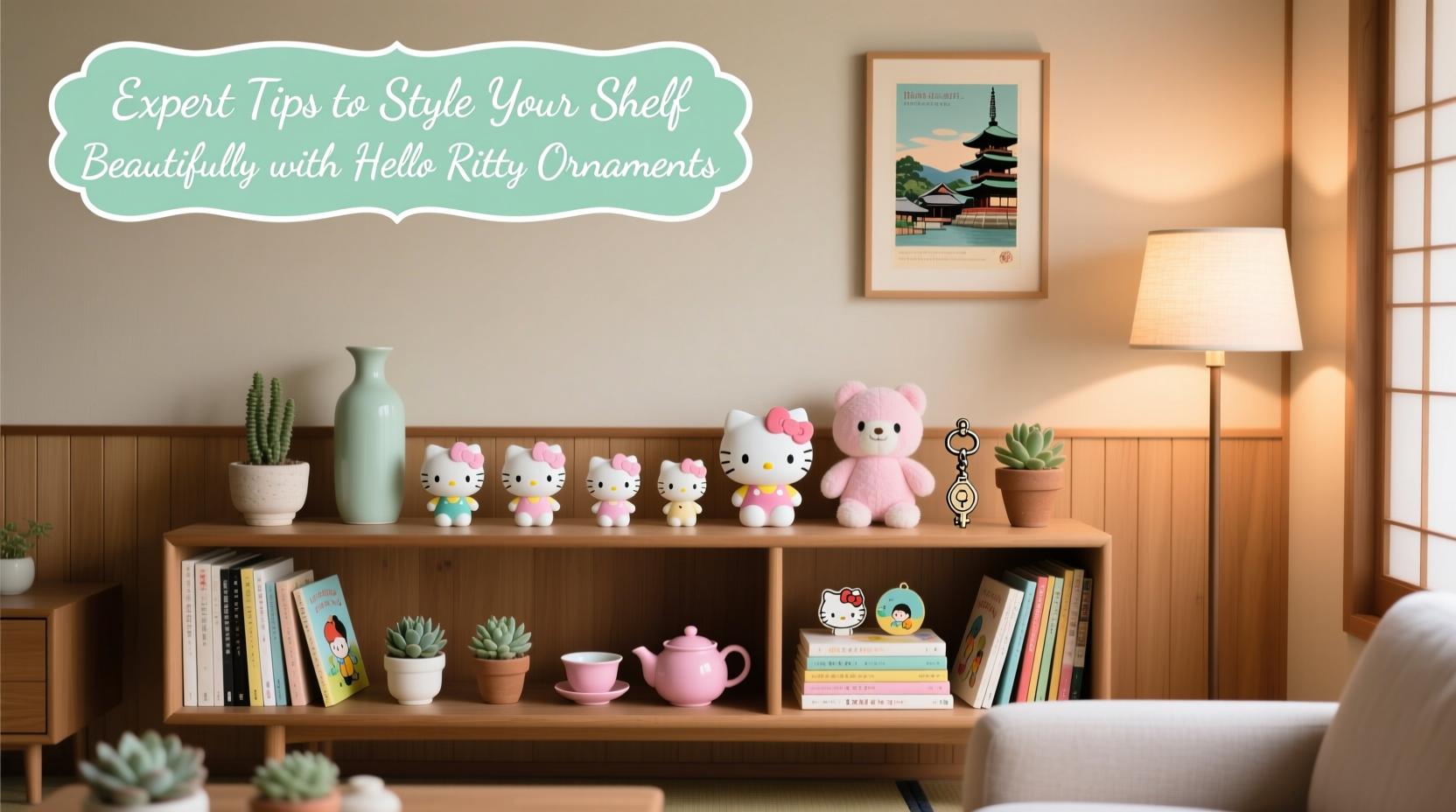
A common mistake is treating a shelf like a storage unit—every available space filled. Instead, approach styling as an act of curation. Choose 5 to 7 standout Hello Kitty ornaments that represent different eras, themes, or emotional connections. This creates breathing room and allows each piece to be appreciated individually.
Rotate your collection seasonally or by theme—spring pastels, holiday editions, Sanrio collaborations—to keep the display fresh and engaging. Curating isn’t about limiting joy; it’s about elevating it.
Group by Theme, Not Just Size
While organizing by size creates symmetry, grouping by theme adds narrative depth. Consider clusters like:
- Vintage Collection: Early 1980s vinyl figures and enamel pins
- Global Series: Hello Kitty dressed in traditional attire from Japan, Mexico, France, etc.
- Holiday Editions: Christmas sweaters, Easter bonnets, Halloween costumes
- Celebrity Collaborations: Pieces from Disney, Adidas, or luxury brand partnerships
Thematic grouping invites viewers to explore stories behind the items, transforming a simple shelf into a journey through time and culture.
Balance Scale and Proportion
Visual balance ensures your shelf feels intentional, not chaotic. Pair larger statement pieces—a 12-inch porcelain Hello Kitty—with smaller supporting ornaments like miniature figurines or enamel charms on stands.
Use odd numbers when grouping (three or five) for natural visual appeal. Place the tallest item toward the back or center, then layer forward with progressively smaller objects. This creates depth and guides the eye across the shelf.
| Ornament Type | Recommended Placement | Complementary Elements |
|---|---|---|
| Large Porcelain Figure | Center-back or corner anchor | Mini lanterns, floral picks |
| Medium Vinyl Collectible | Middle tier, slightly offset | Books with decorative spines |
| Small Enamel Pins (displayed upright) | Front edge or floating shelf below | Acrylic stands, mirrored trays |
| Limited-Edition Box Set | Side or top level, unopened | LED strip lighting above |
Create Layers with Backing and Elevation
Flat shelves lack dimension. Introduce layers using risers, books, or acrylic platforms to elevate certain pieces. A vintage dictionary topped with a small Hello Kitty wearing reading glasses instantly becomes whimsical and dynamic.
Add backing elements like patterned paper, washi tape borders, or removable wallpaper behind the shelf to enhance contrast. Soft pinks, cherry blossoms, or kawaii grid patterns complement without overpowering.
“Display design is about emotion first, aesthetics second. When people see your shelf, they should feel something—not just see things.” — Lila Chen, Interior Stylist & Pop Culture Collector
Lighting: The Silent Highlighter
Subtle lighting transforms a shelf from static to stunning. LED strip lights placed along the top edge cast a soft glow downward, accentuating textures and colors. For dramatic effect, use directional puck lights aimed at focal pieces.
Avoid harsh white bulbs; opt for warm white (2700K–3000K) to preserve the warmth and nostalgia inherent in Hello Kitty designs.
Step-by-Step Guide: Building Your Hello Kitty Shelf Display
Follow this sequence to create a polished, professional-looking arrangement:
- Clear and clean the shelf. Remove dust and assess the space. Wipe down surfaces and consider painting or lining the back panel if needed.
- Select your hero piece. Identify one standout ornament—the largest or most sentimental—and decide its position.
- Choose two supporting items. These should complement, not compete with, the hero. Think color coordination or thematic alignment.
- Add elevation tools. Use books, boxes, or risers to create height variation.
- Incorporate non-ornament elements. Include small plants (like succulents), framed mini art, or decorative stones to break up the cuteness and add realism.
- Adjust spacing. Leave at least 1–2 inches between groupings to prevent visual crowding.
- Test lighting. Turn off overhead lights and view the shelf under ambient or accent lighting only.
- Photograph and refine. Take a picture—what looks balanced in person may appear uneven in frame. Make micro-adjustments as needed.
Real Example: Sarah’s Living Room Niche Display
Sarah, a long-time Hello Kitty collector from Portland, struggled with a crowded bookshelf where her ornaments felt lost among novels and photo frames. She redesigned a single 36-inch wide niche using these principles.
She selected a limited-edition 2019 Sanrio x Ghibli collaboration figure as her centerpiece, flanked by a vintage 1995 McDonald’s promotional plush and a modern resin artist toy. Behind them, she applied cherry blossom-themed removable wallpaper. Small acrylic risers elevated two enamel pins on stands, while a tiny faux terrarium added organic texture at the front.
With warm LED strips installed above, the shelf became a conversation starter. “People assume it’s part of a boutique display,” she says. “But it’s just my way of honoring something I’ve loved since childhood.”
Common Mistakes to Avoid
Even passionate collectors can misstep. Here are frequent errors and how to correct them:
| Mistake | Why It’s Problematic | Solution |
|---|---|---|
| Overcrowding | Creates visual noise and diminishes individual impact | Limit to 7 main items per shelf; rotate others monthly |
| Ignoring background | Distracting or clashing backdrop pulls focus | Use neutral or themed backing; paint or line the back |
| All at same height | Feels flat and lifeless | Use risers, stagger depths, vary object heights |
| No negative space | Eye has nowhere to rest | Leave open zones; embrace minimalism in sections |
Frequently Asked Questions
How do I protect my Hello Kitty ornaments from dust?
Use glass cloches for high-value pieces or install a shallow cabinet with doors. For open shelves, wipe gently with a microfiber cloth weekly. Avoid feather dusters, which can scratch delicate finishes.
Can I mix Hello Kitty ornaments with other characters?
Yes, but with caution. Pairing with fellow Sanrio friends like My Melody or Kuromi works well due to cohesive design language. Mixing with unrelated brands (e.g., Disney, Pokémon) risks visual dissonance unless intentionally styled as a pop culture collage.
What if I have a large collection? Do I need multiple shelves?
Absolutely. Dedicate different shelves or rooms to themes—childhood memorabilia in a bedroom, modern collectibles in a living area. This prevents fatigue and honors the breadth of your collection.
Final Checklist Before Styling
- ✅ Selected a hero piece
- ✅ Chosen 2–3 supporting ornaments
- ✅ Picked a consistent color palette (max 3 dominant colors)
- ✅ Prepared risers or elevation tools
- ✅ Cleaned and prepped the shelf surface
- ✅ Tested lighting options
- ✅ Removed excess items to allow negative space
- ✅ Photographed final layout for future reference
Bring Personality to the Forefront
Your shelf should reflect who you are—not just what you own. Whether you lean into retro nostalgia, modern minimalism, or maximalist kawaii energy, let your style shine. A single Hello Kitty riding a rainbow cloud beside a favorite novel or a travel souvenir from Tokyo makes the display uniquely yours.
Styling isn’t about perfection. It’s about presence—of memory, joy, and identity. When done with care, your shelf becomes more than decor. It becomes a tribute.




 浙公网安备
33010002000092号
浙公网安备
33010002000092号 浙B2-20120091-4
Comments
No comments yet. Why don't you start the discussion?