
Understanding your body goes far beyond what a standard scale can reveal. While weight is a single data point, body composition analysis provides a multidimensional view of your health—measuring muscle mass, body fat percentage, visceral fat, bone density, hydration levels, and more. For athletes, fitness enthusiasts, medical professionals, and anyone committed to long-term wellness, investing in an accurate body composition analyzer is a game-changer.
The market offers a wide range of devices, from consumer-grade smart scales to clinical-level machines. But not all analyzers are created equal. Accuracy, consistency, features, and ease of use vary significantly. Choosing the right one requires understanding the technology behind them and knowing which metrics truly matter to your goals.
Why Body Composition Matters More Than Weight
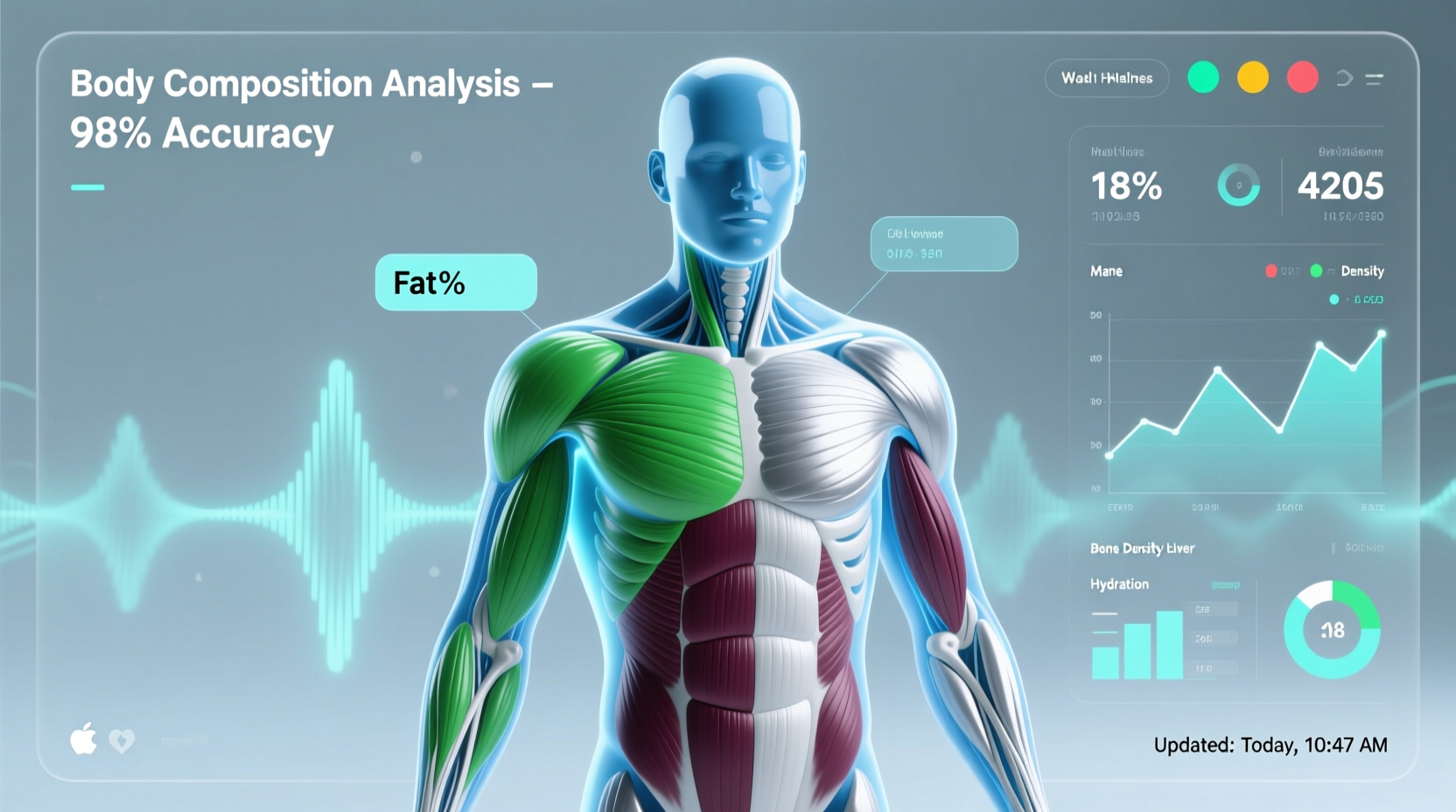
Weight alone fails to distinguish between fat, muscle, water, and bone. Two individuals with the same weight can have drastically different health profiles—one may be lean and muscular, while the other carries excess visceral fat, a known risk factor for metabolic disease.
Body composition analysis helps you:
- Track fat loss while preserving or gaining muscle
- Identify imbalances such as low muscle mass or high visceral fat
- Monitor changes during diet, training, or recovery phases
- Assess risks associated with obesity-related conditions
- Personalize nutrition and exercise plans based on real data
“Body composition is one of the most powerful indicators of metabolic health. It’s not about how much you weigh—it’s about what your weight is made of.” — Dr. Lena Patel, Clinical Nutritionist and Metabolic Health Specialist
How Body Composition Analyzers Work: Technology Explained
Most consumer and clinical devices rely on **Bioelectrical Impedance Analysis (BIA)**, which sends a low-level electrical current through the body. Since fat tissue conducts electricity differently than muscle or water, the resistance (impedance) helps estimate body composition.
There are two main types of BIA systems:
1. Segmental vs. Whole-Body BIA
Whole-body BIA, often found in basic smart scales, uses foot-to-foot current transmission. This method is convenient but less accurate because it may miss regional differences. Segmental BIA, used in advanced models, sends current through multiple pathways (hands, feet, torso), offering a more detailed, localized analysis.
2. Multi-Frequency & Multi-Electrode Systems
Higher-end analyzers use multiple frequencies (low, medium, high) to measure intracellular and extracellular water separately. This improves accuracy, especially in assessing fluid balance and lean mass. Devices with hand-to-hand, foot-to-foot, and hand-to-foot electrodes provide superior precision.
Top Body Composition Analyzers Compared
Below is a comparison of leading body composition analyzers across categories: home use, professional fitness, and clinical settings.
| Device | Type | Key Features | Accuracy Level | Best For |
|---|---|---|---|---|
| Withings Body+ Scale | Home Smart Scale | BIA, 8 metrics, Wi-Fi sync, app integration | Moderate | General wellness tracking |
| Tanita RD-545 | Professional Grade | Segmental BIA, muscle-fat analysis, athlete mode | High | Fitness trainers, gyms |
| Seca mBCA 515 | Clinical Device | Multi-frequency BIA, FDA-cleared, full segmental scan | Very High | Hospitals, research |
| Omron Complete | Home Monitor | Handheld, visceral fat tracking, BMI, body age | Low-Moderate | Quick checks, casual users |
| InBody S10 | Medical/Performance | No empirical estimations, 8-point tactile electrodes, detailed reports | Exceptional | Athletes, clinics, longevity centers |
The InBody S10 stands out as the gold standard for non-invasive analysis. Unlike many consumer devices, it does not rely on population-based assumptions (like age, gender, or ethnicity) to estimate results. Instead, it measures actual impedance values across six body segments, delivering highly reproducible and objective data.
Step-by-Step Guide to Using a Body Composition Analyzer Effectively
To get reliable, actionable insights, follow this routine:
- Prepare Your Body: Avoid eating, drinking (especially water), or exercising vigorously 2–3 hours before testing.
- Hydrate Consistently: Chronic dehydration skews results. Aim for balanced daily intake rather than last-minute hydration.
- Use Bare Feet and Hands: Remove socks and shoes. Moisturizer or dry skin can interfere with conductivity—lightly dampen hands and feet if needed.
- Stand Still During Measurement: Keep arms slightly away from the body and stand straight on the electrodes.
- Record Conditions: Note time of day, recent activity, and menstrual cycle phase (for women), as these influence fluid distribution.
- Track Trends Weekly: Don’t obsess over daily fluctuations. Focus on 2–4 week trends for meaningful conclusions.
Real-World Example: Tracking Progress Beyond the Scale
Jamal, a 38-year-old software engineer, started a strength training program to improve his energy and reduce belly fat. After six weeks, his weight hadn’t changed—but his InBody scan revealed a 5% drop in body fat and a 3.2 lb increase in skeletal muscle mass.
Without body composition data, Jamal might have assumed his efforts were failing. Instead, he recognized that he was transforming his physique even without weight loss. This insight kept him motivated and allowed his trainer to adjust nutrition to support further muscle growth.
What Metrics Should You Actually Care About?
Not all data points are equally valuable. Prioritize these key indicators:
- Skeletal Muscle Mass (SMM): Crucial for metabolism, mobility, and aging well. Low SMM increases sarcopenia risk.
- Body Fat Percentage: Use standard ranges (e.g., 10–20% for men, 18–28% for women), but tailor to individual goals.
- Visceral Fat Level: A score above 10 indicates elevated health risks like insulin resistance and cardiovascular disease.
- Basal Metabolic Rate (BMR): Helps set realistic calorie targets for fat loss or gain.
- ECW/TBW Ratio (Extracellular Water to Total Body Water): Elevated ratios suggest inflammation or fluid retention.
FAQ: Common Questions About Body Composition Analyzers
Are home body composition scales accurate?
Basic smart scales offer trend data but lack precision due to limited electrode placement and reliance on estimation formulas. They’re useful for general monitoring but not for clinical decisions. For better accuracy, choose a device with segmental analysis and multi-frequency BIA.
Can body composition analyzers detect health problems?
While not diagnostic tools, they can flag early warning signs—such as high visceral fat, low muscle mass, or abnormal hydration—that warrant medical follow-up. Used consistently, they serve as preventive health monitors.
How often should I test my body composition?
Every 2–4 weeks is ideal. Testing too frequently leads to frustration over normal day-to-day variations. Monthly assessments work well for general wellness; biweekly is better for active fitness programs.
Final Checklist Before Buying a Body Composition Analyzer
- ✅ Uses multi-frequency BIA for improved accuracy
- ✅ Offers segmental analysis (arms, legs, trunk)
- ✅ Does not rely heavily on demographic estimates
- ✅ Provides clear, readable reports with actionable metrics
- ✅ Syncs with health apps (Apple Health, Google Fit, MyFitnessPal)
- ✅ Has user-specific profiles for households or clients
- ✅ Includes visceral fat, muscle-fat analysis, and BMR
Take Control of Your Health With Better Data
Your body is more than a number on a scale. By choosing a high-quality body composition analyzer—particularly one like the InBody or Seca that prioritizes scientific rigor—you gain access to insights that empower real change. Whether you're optimizing performance, managing chronic conditions, or simply striving to feel stronger and healthier, accurate data is the foundation of progress.
Don’t guess. Measure. Understand. Act. The future of personalized health starts with knowing what’s beneath the surface.




 浙公网安备
33010002000092号
浙公网安备
33010002000092号 浙B2-20120091-4
Comments
No comments yet. Why don't you start the discussion?