
For off-road enthusiasts and daily drivers alike, the Jeep Wrangler remains a symbol of rugged capability and open-air freedom. While newer models can climb well above $30,000, savvy buyers know that excellent value still exists in the pre-owned market—especially when targeting capable builds under $17,870. With smart selection and strategic upgrades, it’s entirely possible to own a dependable, trail-ready Wrangler without breaking the bank. This guide explores the most practical model years, essential performance parts, and cost-effective modifications that deliver maximum return on investment.
Understanding the Wrangler Market Under $17,870
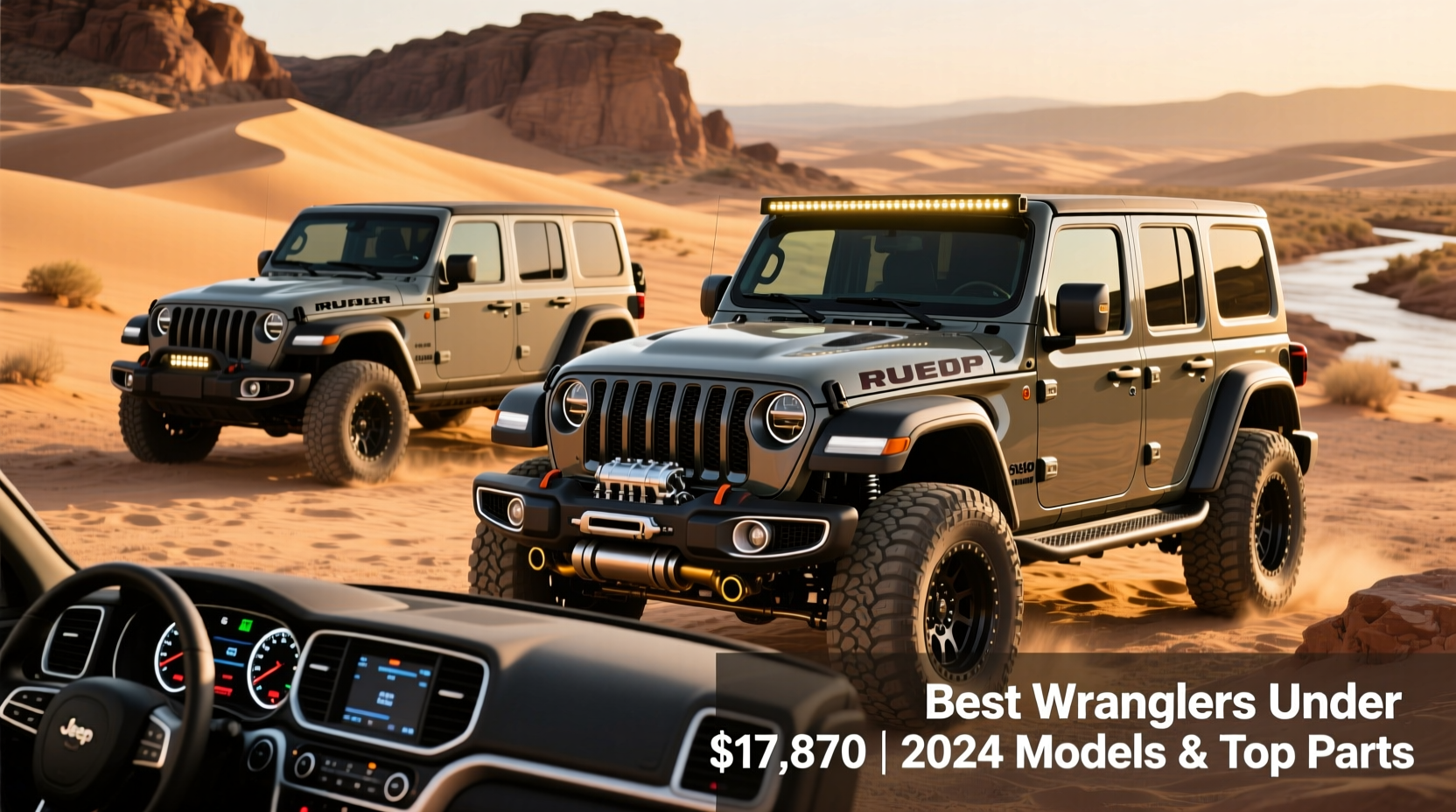
The key to finding a quality Wrangler within this budget lies in focusing on specific model years known for reliability and aftermarket support. Models from 2007 to 2012 (JK generation) are particularly compelling. They offer modern features like electronic stability control and fuel-injected engines while avoiding the steep depreciation curve of newer versions. These vehicles often come equipped with the robust 3.8L V6 engine, which delivers ample torque for off-roading and has proven durability over time.
When shopping, prioritize low-mileage examples with clean maintenance records. Avoid vehicles with lifted suspensions or oversized tires unless the full modification history is documented—unprofessional mods can lead to premature wear on axles, steering components, and drivelines. A Carfax report and independent mechanic inspection are non-negotiable steps before purchase.
Top 5 Wrangler Models Under $17,870
| Model Year | Generation | Engine | Avg. Price Range | Why It Stands Out |
|---|---|---|---|---|
| 2010 | JK | 3.8L V6 | $12,000–$16,500 | Balances modern comfort with proven off-road prowess; strong resale in modified form |
| 2008 | JK | 3.8L V6 | $10,500–$14,000 | Lower mileage examples available; fewer electronic complexities than later models |
| 2007 | JK | 3.8L V6 | $9,500–$13,000 | First year of JK body; high demand due to improved ride and safety |
| 1999 | TJ | 4.0L I6 | $11,000–$15,000 | Legendary reliability; simpler mechanics ideal for DIY owners |
| 2012 | JK | 3.6L Pentastar V6 | $15,000–$17,870 | Late-model tech with early Pentastar engine; excellent power-to-price ratio |
The 2012 JK stands out as the highest-spec model within reach of the budget ceiling. Equipped with the 3.6L Pentastar engine, it offers improved horsepower and fuel economy over earlier V6 variants. Even base Sport trims from this year often include air conditioning, power windows, and factory alloy wheels—features that enhance daily usability.
Essential Upgrades That Maximize Value
Once you’ve secured a solid foundation, targeted investments in key components dramatically improve both performance and longevity. The following upgrades are cost-effective and widely supported by the Jeep community:
- 3.5-inch Suspension Lift Kit – Improves ground clearance and allows fitment of 33-inch all-terrain tires. Expect to spend $800–$1,200 installed.
- All-Terrain Tires (245/75R17) – Brands like BFGoodrich All-Terrain T/A KO2 or Nitto Ridge Grappler offer durability and grip. Budget $800 for a set including mounting.
- Front and Rear Locking Differentials – Electric lockers from ARB or Eaton significantly boost traction. Installation costs around $1,500 but pays dividends off-road.
- LED Lighting Package – Replace stock halogen bulbs with LED headlights and fog lights for better nighttime visibility. Cost: $200–$350.
- Snorkel System – Allows deeper water fording and protects the engine from dust. Prices range from $400–$600 depending on brand.
“Spending wisely on drivetrain and suspension upgrades transforms an average Wrangler into a true trail dominator.” — Mark Reynolds, Off-Road Fabrication Specialist
Step-by-Step: Building Your Budget-Friendly Trail Rig
Follow this timeline to acquire and upgrade your Wrangler efficiently:
- Week 1–2: Research local listings using platforms like Autotrader, Craigslist, and Facebook Marketplace. Set alerts for keywords like “Jeep Wrangler JK,” “non-smoker,” and “service records available.”
- Week 3: Narrow down to three potential candidates. Request vehicle history reports and schedule test drives.
- Week 4: Conduct a pre-purchase inspection with a trusted mechanic familiar with Jeeps. Check for frame rust, ball joint wear, and transmission health.
- Month 2: Purchase the vehicle and register it. Allocate up to 20% of your total budget ($3,500) for immediate repairs or critical fixes.
- Months 3–5: Begin phased upgrades starting with tires and suspension. Use reputable installers or tackle projects yourself if experienced.
- Month 6: Reassess performance and plan next steps—consider adding rock sliders, upgraded bumpers, or a winch.
Real-World Example: Sarah’s Weekend Warrior Build
Sarah, a schoolteacher from Colorado, purchased a 2010 Jeep Wrangler Sport with 98,000 miles for $13,200. The previous owner had maintained regular oil changes and replaced the radiator and battery six months prior. Over the next five months, she invested $3,100 in upgrades: a 3.5-inch lift kit, 33-inch Cooper Discoverer STT Pros, front and rear Dana 44 axle swaps with Truetrac differentials, and a Smittybilt XRC8 winch.
She performed much of the labor herself using YouTube tutorials and borrowed tools from a friend’s garage. Today, her Wrangler handles Moab’s rocky trails with confidence and remains reliable for her daily 45-minute commute. Total investment: $16,300—under budget and fully equipped for adventure.
Frequently Asked Questions
Can I fit 35-inch tires on a Wrangler without major modifications?
Not reliably on a stock setup. A 3.5-inch lift with minor trimming is the minimum requirement for 35-inch tires. Attempting to run them without proper clearance leads to rubbing, damaged fenders, and accelerated CV joint wear.
Is the 3.8L V6 engine worth keeping, or should I upgrade?
The 3.8L is durable and sufficient for moderate off-roading and highway driving. However, many owners eventually swap to the 3.6L Pentastar for better efficiency and power. If your budget allows, sourcing a donor engine and ECU from a junkyard can be a cost-effective refresh.
Are older TJ models better than newer JKs for off-roading?
TJs are simpler mechanically and have legendary articulation due to their shorter wheelbase. JKs offer more power, safety features, and interior comfort. For pure trail use, some prefer the TJ; for mixed driving, the JK strikes a better balance.
Final Checklist Before You Buy
- Verify no major accidents or structural damage via Carfax
- Inspect for rust on rocker panels, frame rails, and floorboards
- Test four-wheel drive system on loose gravel or wet pavement
- Check for transmission slippage and transfer case engagement
- Confirm soft top or hardtop condition—replacement costs exceed $1,000
- Review service records for timing of major component replacements
Conclusion
Owning a capable, head-turning Jeep Wrangler doesn’t require a luxury car budget. By focusing on smart model selection and prioritizing high-impact upgrades, you can assemble a rugged, dependable off-roader for under $17,870. Whether you're navigating mountain trails or cruising downtown streets, the right combination of model year, maintenance, and thoughtful enhancements ensures lasting enjoyment and value. The trail awaits—start your search today with clarity, confidence, and a clear plan.




 浙公网安备
33010002000092号
浙公网安备
33010002000092号 浙B2-20120091-4
Comments
No comments yet. Why don't you start the discussion?