
In today’s economy, every dollar counts. Credit cards are no longer just tools for convenience—they’ve evolved into powerful financial instruments that can generate real value when used wisely. The key lies in understanding which credit card offers deliver the highest return relative to your spending habits and budget. With the right strategy, you can earn cash back, travel perks, points, and even sign-up bonuses that effectively pay you for everyday purchases.
The most rewarding cards aren’t always the ones with flashy benefits or premium branding. Instead, the best return often comes from aligning a card’s reward structure with your actual monthly expenses. This approach turns routine spending—on groceries, gas, utilities, or subscriptions—into tangible savings or future rewards.
Understanding Return on Credit Card Offers
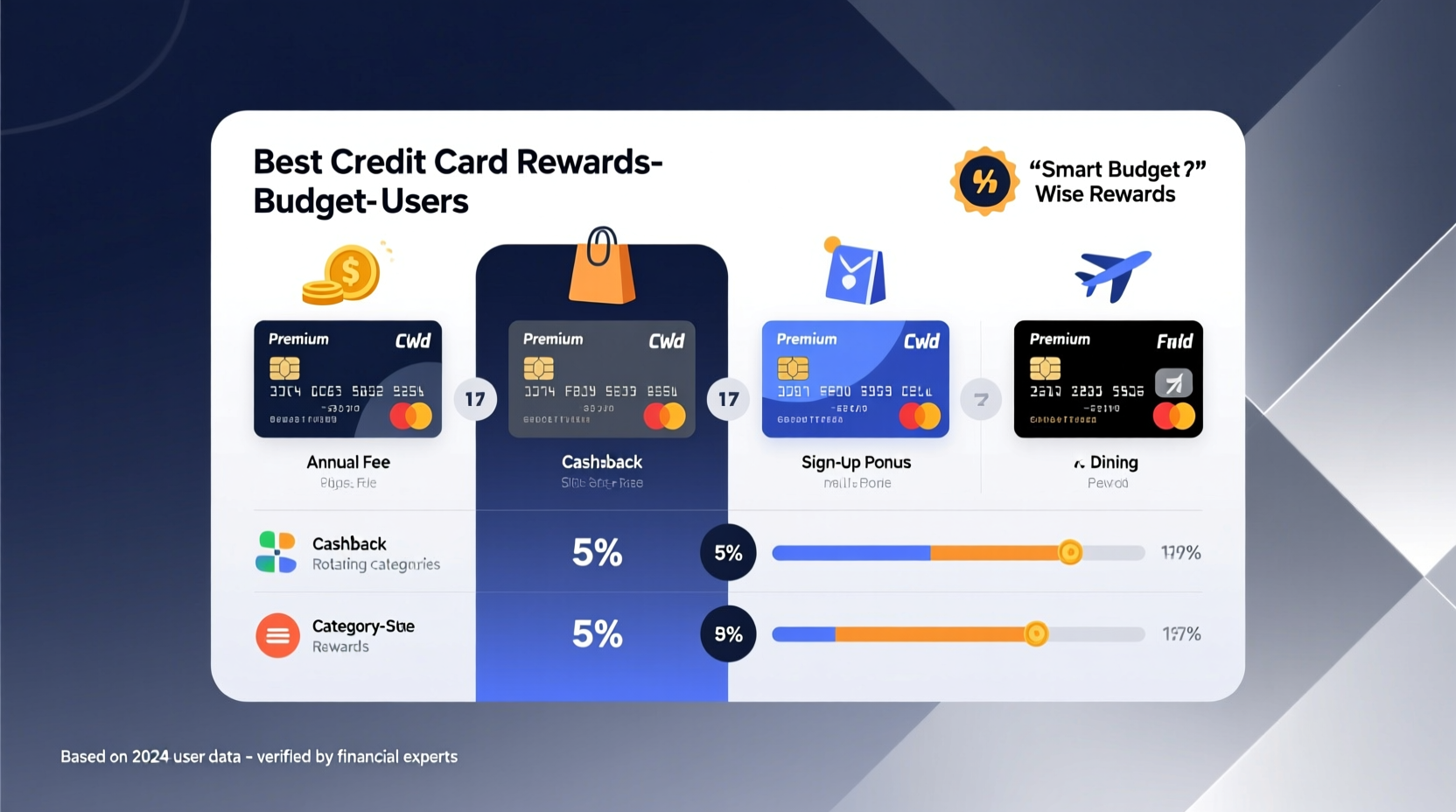
Return on a credit card offer refers to the value you receive in rewards compared to what you spend. It’s measured as a percentage: for example, 2% cash back means you earn $2 for every $100 spent. But true return also factors in annual fees, bonus structures, redemption limitations, and foreign transaction costs.
A high headline reward rate means little if it applies only to niche categories or comes with a $95 annual fee that outweighs the benefits. Smart consumers assess not just the percentage earned but the net gain after all costs and constraints.
Reward Structures That Deliver Real Value
- Cash Back Cards: Simple, flexible, and easy to redeem. Ideal for budget-conscious users who want direct returns.
- Travel Rewards Cards: Offer higher potential returns (often 2x–5x points per dollar) but require planning to maximize value.
- Flat-Rate vs. Tiered Systems: Flat-rate cards (e.g., 2% on all purchases) provide predictable returns; tiered cards offer higher rates in select categories but require disciplined spending alignment.
“Maximizing credit card rewards isn’t about collecting cards—it’s about matching them to your lifestyle. A 5% return on coffee is useless if you don’t drink coffee.” — Lena Torres, Financial Strategist at BudgetWise Advisors
Top Credit Cards Offering High Returns in 2024
Below is a comparison of top-performing credit cards based on effective return, accessibility, and long-term value. These selections prioritize strong baseline rewards, low or waived annual fees, and realistic earning potential for average households.
| Card Name | Rewards Rate | Bonus Offer | Annual Fee | Best For |
|---|---|---|---|---|
| Chase Freedom Unlimited® | 1.5% flat, up to 5% in rotating categories | Up to $200 cash back after spending $500 | $0 | Everyday spending, simplicity |
| Citi Custom Cash® Card | 5% cash back on the highest spending category (up to $500/month) | $200 cash back after $1,500 spent in first 6 months | $0 | Variable spenders, category optimization |
| Blue Cash Preferred® from American Express | 6% on U.S. supermarkets (up to $6,000/year), 3% on transit/gas, 1% elsewhere | $150 statement credit after $3,000 spent in 6 months | $95 (often waived first year) | Families, grocery-heavy budgets |
| Capital One Venture Rewards | 2x miles on all purchases | 75,000 miles (≈$750 value) after $4,000 spent in 3 months | $95 | Travelers seeking flexibility |
| Bank of America® Customized Cash Rewards | 3% in chosen category, 2% at gas stations, 1% elsewhere | $200 online cash rewards bonus after $1,000 spent in first 90 days | $0 | Drivers, customizable rewards |
Note: Redemption value varies. For instance, Capital One miles are typically valued at 1 cent each when redeemed for travel, making the 75,000-mile bonus equivalent to $750. However, transferring to airline partners may increase value to 1.5–2 cents per mile under optimal conditions.
How to Maximize Your Return: A Step-by-Step Strategy
Earning high returns isn’t accidental—it’s engineered through deliberate planning and consistent execution. Follow this five-step process to optimize your credit card rewards within a budget-friendly framework.
- Analyze Your Monthly Spending: Categorize your expenses (groceries, dining, utilities, gas, subscriptions). Use bank statements or budgeting apps like Mint or YNAB to identify patterns.
- Match Cards to Spending Categories: Assign one card per major category where it earns peak rewards. Example: Use a supermarket-focused card for grocery runs.
- Leverage Sign-Up Bonuses: Time applications so you can meet minimum spend requirements without overspending. Plan large recurring bills (like insurance) around these windows.
- Pay in Full, Every Month: Interest charges erase rewards gains. Never carry a balance unless you’re using a 0% intro APR card strategically—and even then, with caution.
- Track and Rotate Offers: Some cards feature quarterly 5% bonus categories (e.g., Chase Freedom). Set calendar reminders to activate and use them.
Real Example: How Sarah Doubled Her Grocery Savings
Sarah, a teacher and mother of two, spends about $800 monthly on groceries. She previously used a generic debit card with no rewards. After evaluating her options, she switched to the Blue Cash Preferred® Card from American Express, which offers 6% cash back on U.S. supermarkets (up to $6,000 annually).
With $800/month in spending ($9,600/year), she earns 6% on the first $6,000 and 1% on the remaining $3,600. Her total annual return:
- 6% × $6,000 = $360
- 1% × $3,600 = $36
- Total = $396 cash back
After the $95 annual fee, her net gain is $301. Combined with the $150 sign-up bonus (earned during her first six months of card use), she gained $451 in value within the first year—all without changing her spending habits.
This return effectively reduced her grocery bill by nearly 5%, a significant saving for a household managing tight margins.
Common Pitfalls That Reduce Your Effective Return
Even the best card can underperform if misused. Watch out for these common mistakes:
- Carrying a Balance: A 15% APR on $1,000 owed costs $150/year—more than the average cash back earned on $10,000 in spending.
- Ignoring Annual Fees: A $95 fee wipes out the benefit of 1% cash back on less than $10,000 in spending.
- Missing Bonus Requirements: Failing to hit minimum spend thresholds forfeits hundreds in potential rewards.
- Letting Points Expire: Some programs devalue or expire points if inactive. Track expiration policies.
Do’s and Don’ts Summary
| Do | Don’t |
|---|---|
| Use credit cards only for planned, budgeted expenses | Treat rewards as permission to overspend |
| Set up automatic payments to avoid interest | Forget due dates or make partial payments |
| Rotate bonus category cards quarterly | Use multiple cards without tracking spending |
| Redeem cash back as statement credits or direct deposits | Redeem points for merchandise (low value) |
Frequently Asked Questions
Can I really earn meaningful rewards on a tight budget?
Absolutely. Even modest spending adds up. Earning 2% on $1,000/month in essential purchases yields $240/year—equivalent to a month’s grocery bill or utility payment. The key is consistency and avoiding fees.
Are sign-up bonuses worth it?
Yes—if you can meet the spending requirement without altering your budget. For example, charging a car insurance payment or holiday gifts toward a $3,000 minimum spend makes the bonus achievable and risk-free.
Should I cancel a card after earning the bonus?
Possibly, but consider the impact on your credit history. Closing a card shortens your average account age and reduces available credit, potentially lowering your score. If the annual fee isn’t justified post-bonus, downgrade to a no-fee card from the same issuer instead.
Final Thoughts: Turn Spending Into Strategic Gains
The best return on credit card offers isn’t found in the flashiest ad or the highest point multiplier—it’s built through disciplined alignment of rewards with real-life spending. By choosing cards that reflect your actual budget, avoiding interest, and leveraging sign-up incentives, you transform everyday purchases into measurable financial benefits.
Start small: pick one card that fits your largest expense category, commit to paying it off monthly, and track your earnings. Over time, layer in additional cards only if they serve a clear purpose. Smart credit card use isn’t about complexity—it’s about precision.




 浙公网安备
33010002000092号
浙公网安备
33010002000092号 浙B2-20120091-4
Comments
No comments yet. Why don't you start the discussion?