
Recreational vehicle ownership has evolved from a luxury reserved for retirees to a lifestyle embraced by digital nomads, adventure seekers, and budget-conscious families. The rise of van life and compact travel trailers has made it easier than ever to hit the road without breaking the bank. But with so many models, configurations, and price points, choosing the right RV van requires more than just a dream—it demands smart planning and informed decisions.
Whether you're looking for a weekend escape pod or a full-time mobile home, the key lies in balancing versatility, functionality, and cost. This guide dives into practical strategies for finding the best RV vans that deliver value, comfort, and freedom—without draining your savings.
Understanding RV Van Types and Their Uses
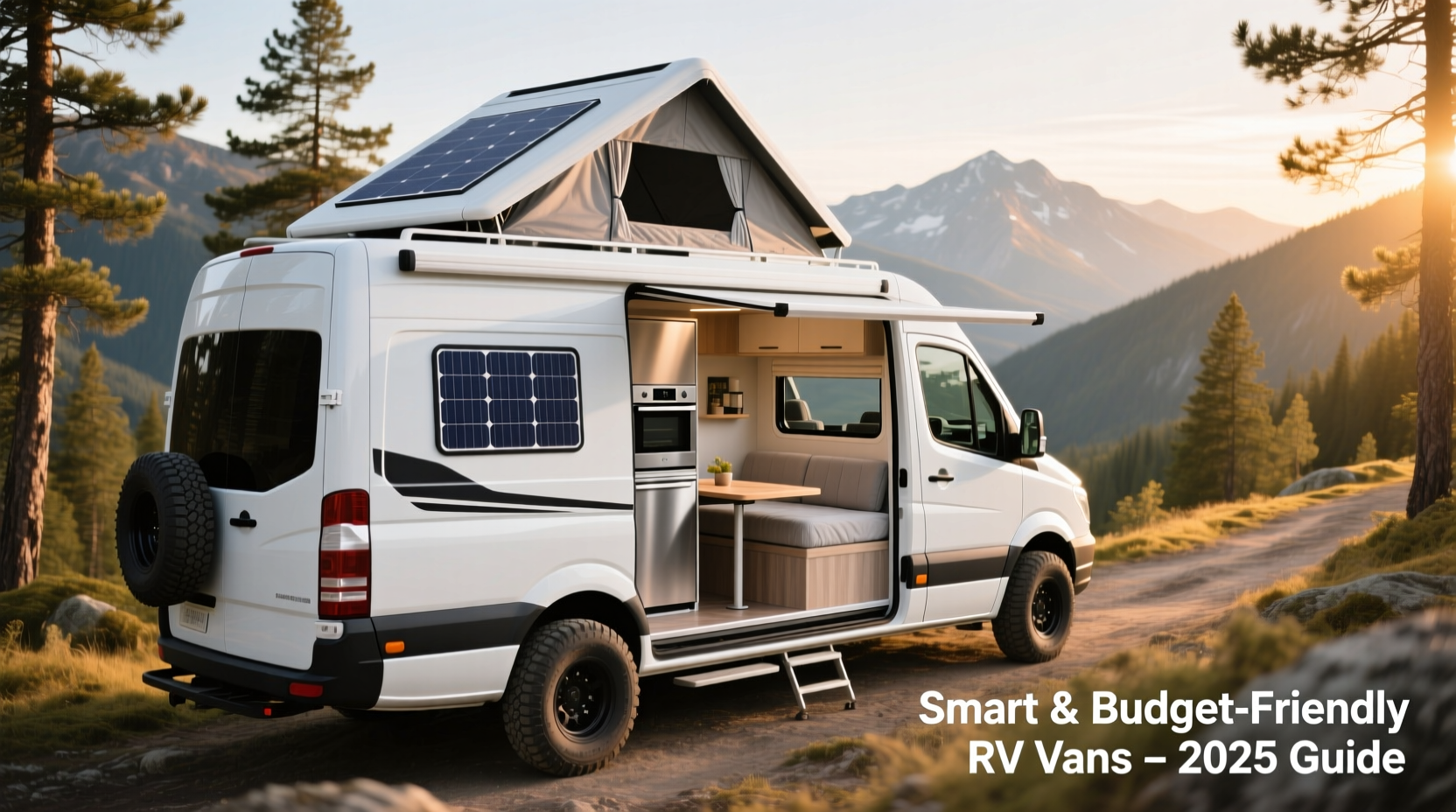
Road-going recreational vehicles come in several forms, each suited to different lifestyles and budgets. Knowing the distinctions helps narrow your search and avoid overspending on features you won’t use.
- Class B Motorhomes (Camper Vans): Built on cargo van chassis like the Mercedes-Benz Sprinter or Ford Transit, these are fully self-contained units with sleeping, cooking, and bathroom facilities. They offer excellent maneuverability and fuel efficiency.
- Converted Cargo Vans: These are DIY or professionally modified vans without factory interiors. Buyers gain customization control but may face higher long-term maintenance if conversions aren't well executed.
- Minivan Campers:
Budget-Friendly Strategies for Smart Purchasing
RV vans range from under $30,000 for used models to over $200,000 for luxury builds. However, smart buyers can find reliable, comfortable options between $40,000 and $80,000—with careful research and timing.
Start by setting a firm budget that includes not just the purchase price, but also insurance, registration, maintenance, and potential upgrades. A common rule is to allocate no more than 20% of your annual income toward an RV purchase.
Used Class B motorhomes from reputable brands like Roadtrek, Pleasure-Way, or Winnebago often retain strong resale value and reliability. Look for models with under 80,000 miles and full service records. Online marketplaces such as RVTrader, Craigslist, and Facebook Marketplace can yield hidden gems—if you know what to inspect.
What to Check When Buying Used
- Inspect for water damage, especially around windows, roof vents, and plumbing fixtures.
- Test all appliances, including furnace, refrigerator, and electrical systems.
- Verify the condition of the chassis and suspension—these are costly to repair.
- Ask for a pre-purchase inspection by a certified RV mechanic.
Top Value Picks Across Budget Tiers
The following table compares popular RV vans based on affordability, livability, and long-term value.
| Model | Avg. Price (Used) | Fuel Efficiency | Key Features | Best For |
|---|---|---|---|---|
| Winnebago Travato 59G | $120,000–$140,000 | 18–22 mpg | Galley kitchen, wet bath, solar-ready | Full-time travelers seeking comfort |
| Renegade Stryker Mini | $90,000–$110,000 | 16–19 mpg | Luxury finishes, lithium battery, heated floors | Those wanting premium features at lower size |
| Pleasure-Way Plateau SMB | $85,000–$100,000 | 17–20 mpg | Compact layout, pop-top roof, efficient storage | Couples needing space-saving design |
| Dodge Promaster + DIY Conversion | $30,000–$60,000 | 20–24 mpg | Custom layouts, low entry cost | DIY enthusiasts on tight budgets |
| Toyota Sienna Minivan Camper | $25,000–$40,000 | 22–26 mpg | Easy parking, family-friendly, minimal modifications | Weekend adventurers and small families |
As seen above, even modestly priced models can offer impressive functionality. The Dodge Promaster, for instance, has become a favorite among DIY converters due to its front-wheel drive, low floor height, and wide interior.
Real-World Example: How the Carter Family Found Their Ideal RV Van
The Carters, a couple from Colorado, wanted a van for mountain getaways and cross-country trips with their dog. With a $75,000 budget, they initially considered new models but quickly realized they’d compromise on features. Instead, they opted for a 2019 Pleasure-Way Plateau SMB with 68,000 miles.
They verified service history, added a portable solar panel kit ($800), and installed a custom dog bed platform. Total investment: $76,500. Over two years, they’ve traveled through 28 states, averaging $1,200/month in combined expenses—including campsites, food, and maintenance.
“We didn’t need a luxury coach,” says Jamie Carter. “We needed something reliable, easy to drive, and cozy enough for cold nights in the Rockies. This van delivers every time.”
“We see more buyers prioritizing utility over size. Smaller RVs save on fuel, fit in standard parking spots, and open up remote camping opportunities.” — Mark Delaney, RV Sales Consultant with Overland AutoGroup
Action Plan: Steps to Secure Your Best RV Van Deal
Finding the right RV van isn’t about luck—it’s about process. Follow this step-by-step timeline to make a confident, cost-effective decision.
- Define Your Needs (Week 1): List must-have features (e.g., toilet, shower, kitchen) and frequency of use.
- Set a Realistic Budget (Week 2): Include taxes, registration, insurance, and a 10% buffer for unexpected costs.
- Research Models (Weeks 3–4): Compare specs, read owner forums (like VanLife Nation), and watch YouTube walk-throughs.
- Search Listings (Week 5): Use filters for mileage, location, and seller type (private vs. dealer).
- Schedule Inspections (Week 6): Bring a checklist and consider hiring an independent inspector (~$200–$400).
- Negotiate & Close (Week 7): Offer 10–15% below asking if repairs are needed. Ensure title transfer and warranty details are clear.
- Prep for the Road (Week 8): Install GPS with offline maps, stock emergency supplies, and test systems before departure.
Frequently Asked Questions
Can I live full-time in a small RV van?
Yes, many people do. Compact vans like the Travato or custom Sprinter builds include sleeping quarters, kitchens, and bathrooms suitable for year-round living. Proper insulation, power management, and waste disposal planning are essential.
Are diesel or gas RV vans better for fuel economy?
Diesel engines typically offer 20–30% better fuel efficiency and longer engine life, but they come with higher upfront and maintenance costs. Gas-powered vans like those based on the Ford Transit or Ram ProMaster are cheaper to buy and repair, making them ideal for budget-focused buyers.
How do I reduce long-term maintenance costs?
Stick to scheduled servicing, use fresh water instead of harsh chemicals in tanks, and winterize properly if storing in cold climates. Regularly check seals, hoses, and electrical connections to prevent small issues from becoming expensive repairs.
Final Checklist Before You Buy
- ✅ Confirmed vehicle history report (Carfax or NMVTIS)
- ✅ Verified operation of HVAC, fridge, and water pump
- ✅ Checked for mold, leaks, or rust in cabinets and under sinks
- ✅ Tested 12V and 120V electrical systems
- ✅ Reviewed warranty coverage (if applicable)
- ✅ Secured financing or payment method
- ✅ Planned first trip and storage solution when not in use
Drive Forward with Confidence
The best RV van isn’t always the biggest or newest—it’s the one that aligns with your lifestyle, budget, and sense of adventure. Whether you choose a turnkey Class B motorhome or a creatively converted minivan, smart choices today lead to unforgettable journeys tomorrow.




 浙公网安备
33010002000092号
浙公网安备
33010002000092号 浙B2-20120091-4
Comments
No comments yet. Why don't you start the discussion?