
Cardamom seeds are among the most prized spices in global cuisine, revered for their intense aroma, complex flavor, and versatility across both sweet and savory dishes. Often called the \"Queen of Spices,\" cardamom holds a place of honor in Indian, Middle Eastern, Scandinavian, and Southeast Asian kitchens. For home cooks unfamiliar with its use, the spice can seem mysterious—encased in small green pods, expensive, and sometimes overwhelming if used incorrectly. Yet, when handled with care, cardamom elevates everything from chai tea to baked goods and curries. Understanding how to select, store, and apply cardamom seeds properly unlocks new dimensions in everyday cooking.
Definition & Overview
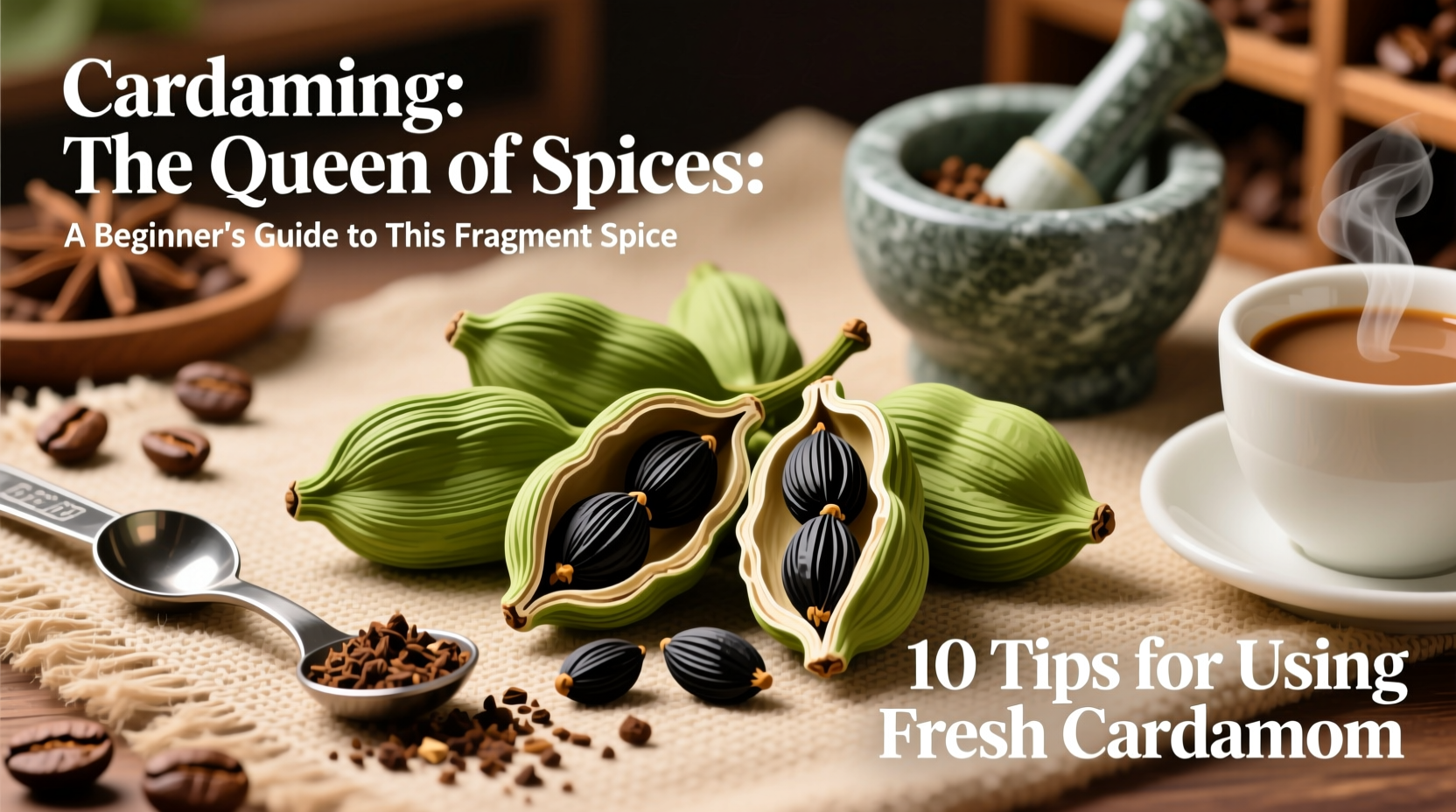
Cardamom refers to the seeds—and often the entire fruit—of plants in the Elettaria and Amomum genera, part of the ginger family (Zingiberaceae). The most common form, known as green cardamom (Elettaria cardamomum), is native to the Western Ghats of southern India but is now cultivated in Guatemala, Sri Lanka, and Tanzania. The spice consists of tiny black-brown seeds enclosed in a fibrous, triangular pod. These seeds contain volatile oils—primarily cineole—that deliver cardamom’s signature bright, citrusy, and slightly eucalyptus-like fragrance.
The use of cardamom dates back over 4,000 years. Ancient Ayurvedic texts reference it for digestive health, while historical trade routes carried it from South Asia to Egypt, Greece, and eventually Europe. Today, it ranks as the third-most expensive spice by weight after saffron and vanilla, reflecting its labor-intensive harvesting process. Each pod must be hand-picked when nearly ripe, then carefully dried to preserve flavor. Despite its cost, a little cardamom goes a long way, making it economical in practice.
Key Characteristics
| Attribute | Description |
|---|---|
| Flavor Profile | Bright, citrusy, floral, with hints of mint, camphor, and warm spice. When crushed, reveals subtle sweetness and depth. |
| Aroma | Potent and perfumed; fresh pods emit a pine-citrus bouquet. Degrades quickly if improperly stored. |
| Color & Form | Seeds are dark brown to black; typically found inside pale green, light brown (black cardamom), or bleached pods. |
| Heat Level | Not pungent or spicy-hot. Considered warming in nature but non-irritating. |
| Culinary Function | Used as a flavor enhancer, aromatic base, digestive aid, and balancing agent in spice blends. |
| Shelf Life | Whole pods: up to 1 year in airtight container. Ground cardamom: 3–6 months before significant flavor loss. |
Practical Usage: How to Use Cardamom Seeds in Cooking
The true power of cardamom lies not just in its scent but in how it interacts with other ingredients. Unlike many spices that dominate a dish, cardamom integrates subtly, lifting flavors without overpowering them. Its application varies depending on whether you're using whole pods, cracked seeds, or ground powder.
In Indian cuisine, cardamom seeds are frequently tempered in hot oil or ghee at the beginning of cooking—a technique known as *tadka*. This releases essential oils into the fat, allowing the flavor to permeate the entire dish. For example, adding two crushed green cardamom pods to hot ghee before sautéing onions for a biryani imparts a fragrant foundation that carries through every bite.
For desserts and beverages, crushing the seeds just before use ensures maximum aroma. To prepare, gently crack open the pod with the flat side of a knife and scrape out the small black seeds. Grind them using a mortar and pestle or spice grinder—avoid pre-ground cardamom for critical applications, as it loses potency rapidly.
A classic application is in **chai masala**, where 4–5 crushed cardamom seeds are simmered with black tea, milk, ginger, and sugar. The result is a deeply aromatic drink that balances warmth and sweetness. Similarly, in Scandinavian baking, ground cardamom is folded into doughs for pastries like Swedish *kardemummabullar*, where it complements butter and almond flavors.
TIP: Never boil cardamom seeds for extended periods. Prolonged heat diminishes their delicate top notes. Add them in the last 10–15 minutes of cooking for stews or rice dishes, or steep them briefly in liquids like syrups and creams.
When using whole pods, remember they are generally not meant to be eaten. While safe, their fibrous texture makes them unpleasant to chew. In rice pilafs or soups, add one or two whole pods during cooking and remove them before serving—similar to a bay leaf.
Variants & Types of Cardamom
Not all cardamom is the same. Three primary types exist, each suited to different culinary traditions and flavor goals:
- Green Cardamom (Elettaria cardamomum): The most widely available and versatile form. Pale green pods contain the most aromatic seeds, ideal for both sweet and savory applications. Best for desserts, chai, rice dishes, and mild curries.
- Black Cardamom (Amomum subulatum): Larger, darker pods with a smoky, camphorous aroma due to traditional drying over open flames. Used in robust savory dishes like North Indian meat curries, lentil stews (*dal*), and Chinese five-spice blends. Not suitable for sweets.
- Bleached Cardamom: Green cardamom pods treated with sulfur dioxide to achieve a uniform white color. Largely cosmetic; the process dulls flavor and is mostly outdated. Avoid unless required for visual presentation in certain traditional recipes.
Additionally, cardamom is available in processed forms:
- Whole Pods: Best for storage and infusions. Retain freshness longest.
- Cracked Seeds: Partially broken pods or loose seeds; useful for quick grinding or tempering.
- Ground Cardamom: Convenient but loses potency within weeks. Opt for freshly grinding your own.
- Cardamom Powder (Masala Grade): Sometimes blended with husk fragments; less pure than seed-only grinds.
| Type | Best Used In | Substitution Note |
|---|---|---|
| Green Cardamom | Desserts, beverages, mild curries, rice | No direct substitute; closest approximation: mix nutmeg + coriander seed |
| Black Cardamom | Hearty stews, meat dishes, spice rubs | Do not substitute for green; too smoky for sweets |
| Ground (Freshly Made) | Baking, spice mixes, custards | Use ½ tsp per 8–10 pods |
| Pre-Ground (Store-Bought) | Non-critical applications only | Lacks brightness; avoid in premium dishes |
Comparison with Similar Ingredients
Cardamom is often confused with other warm spices, especially given its presence in blends like garam masala and pumpkin pie spice. However, its profile is distinct.
- Cinnamon: Warm and sweet, but lacks the citrus-floral lift of cardamom. Cinnamon comes from tree bark; cardamom from seeds. They complement each other but are not interchangeable.
- Cloves: More pungent, medicinal, and numbing. Cloves dominate blends; cardamom supports and refines.
- Nutmeg: Earthy and warm, with a hint of sweetness. Nutmeg is denser and slower to release flavor. Combining nutmeg and cardamom enhances depth in custards and cream sauces.
- Fennel Seeds: Share a licorice note but are milder and more herbaceous. Fennel lacks the complexity and perfume of cardamom.
“Cardamom doesn’t just add flavor—it opens up space in a dish. It cuts richness, lifts sweetness, and brings clarity to layered spices.” — Chef Meera Sodha, author of East
Practical Tips & FAQs
How much cardamom should I use?
Start conservatively. For a dish serving four, 3–4 green cardamom pods (about 1/2 teaspoon seeds) is sufficient. Overuse leads to a medicinal or soapy taste due to high cineole content.
Can I eat the pod?
The outer pod is edible but fibrous and unpleasant to chew. It's best removed before serving unless finely ground along with the seeds (as in some masala preparations).
How do I store cardamom to preserve freshness?
Keep whole pods in an airtight glass jar, away from heat and sunlight. Avoid plastic containers, which can absorb odors and degrade volatile oils. Properly stored, green cardamom retains peak aroma for 9–12 months.
What are common substitutes for cardamom?
There is no perfect substitute, but in a pinch:
- For sweet dishes: Combine equal parts ground cinnamon and nutmeg (¾ tsp blend per 1 tsp cardamom).
- For savory dishes: Use a pinch of cloves with coriander seed and a dash of allspice.
Is cardamom good for digestion?
Yes. Traditional medicine systems, including Ayurveda and Unani, have long used cardamom to soothe bloating, gas, and nausea. Chewing a few seeds after meals is a common practice in South Asia for this reason. Modern studies support its carminative properties, though it should not replace medical treatment.
Why is cardamom so expensive?
Harvesting is entirely manual. Plants take 2–3 years to mature, and pods ripen unevenly, requiring multiple selective pickings. Post-harvest handling—especially for black cardamom, which is smoke-dried—adds labor costs. Guatemala now produces over half the world’s supply, but demand from India, the Middle East, and Nordic countries keeps prices high.
PRO TIP: Buy cardamom in small quantities from high-turnover spice retailers. Check for vibrant green color and a strong, clean scent when crushed. Dull, yellowed pods indicate age and diminished quality.
Case Study: Enhancing a Vanilla Custard with Cardamom
A pastry chef in Copenhagen sought to elevate a standard crème brûlée. By infusing the cream with three lightly crushed green cardamom pods during heating—then straining them before adding egg yolks—the dessert gained a surprising lift. Diners noted a “floral intrigue” beneath the caramelized sugar. The addition used only 0.3 grams of seeds per liter of cream, proving that minimal amounts can transform familiar dishes.
Summary & Key Takeaways
Cardamom seeds are a cornerstone aromatic spice with a rich history and broad culinary utility. Their complex flavor—citrusy, floral, and subtly warm—makes them indispensable in both traditional and modern cooking. Understanding the differences between green and black cardamom, knowing how to handle whole versus ground forms, and respecting their potency are key to using them effectively.
To maximize impact:
- Always use whole pods when possible and grind seeds fresh.
- Reserve black cardamom for bold savory dishes; use green for sweets and balanced profiles.
- Add toward the end of cooking to preserve volatile aromatics.
- Store in airtight containers away from light and moisture.
- Pair with complementary spices like cinnamon, clove, and nutmeg—but let cardamom shine, not drown.
Challenge: Try making a simple cardamom-infused simple syrup: Simmer 1 cup water, 1 cup sugar, and 8 crushed green cardamom pods for 5 minutes. Cool and strain. Use in cocktails, lemonade, or drizzle over pancakes. Taste the difference fresh cardamom makes.
Mastery of cardamom opens doors to deeper flavor understanding. It teaches restraint, timing, and respect for ingredient integrity—principles that extend far beyond a single spice. Whether crafting a festive biryani or spiking morning coffee, cardamom rewards attention with unforgettable aroma and taste.




 浙公网安备
33010002000092号
浙公网安备
33010002000092号 浙B2-20120091-4
Comments
No comments yet. Why don't you start the discussion?