
Spices are the soul of global cuisine—tiny powerhouses capable of transforming simple ingredients into deeply aromatic, complex dishes. From ancient trade routes to modern kitchens, they have shaped cultures, influenced economies, and defined regional identities. Understanding different types of spices is not just about flavor; it’s about mastering balance, enhancing aroma, preserving food, and connecting with centuries of culinary tradition. Whether you're seasoning a stew, baking bread, or crafting a curry, knowing which spice to use—and how—can elevate your cooking from good to exceptional.
The world of spices is vast, ranging from warm and sweet to pungent and fiery. Each has unique chemical compounds that influence taste, smell, and even physiological effects. This guide explores the essential spices used in kitchens worldwide, detailing their origins, characteristics, applications, and practical tips for home cooks and professionals alike.
Definition & Overview
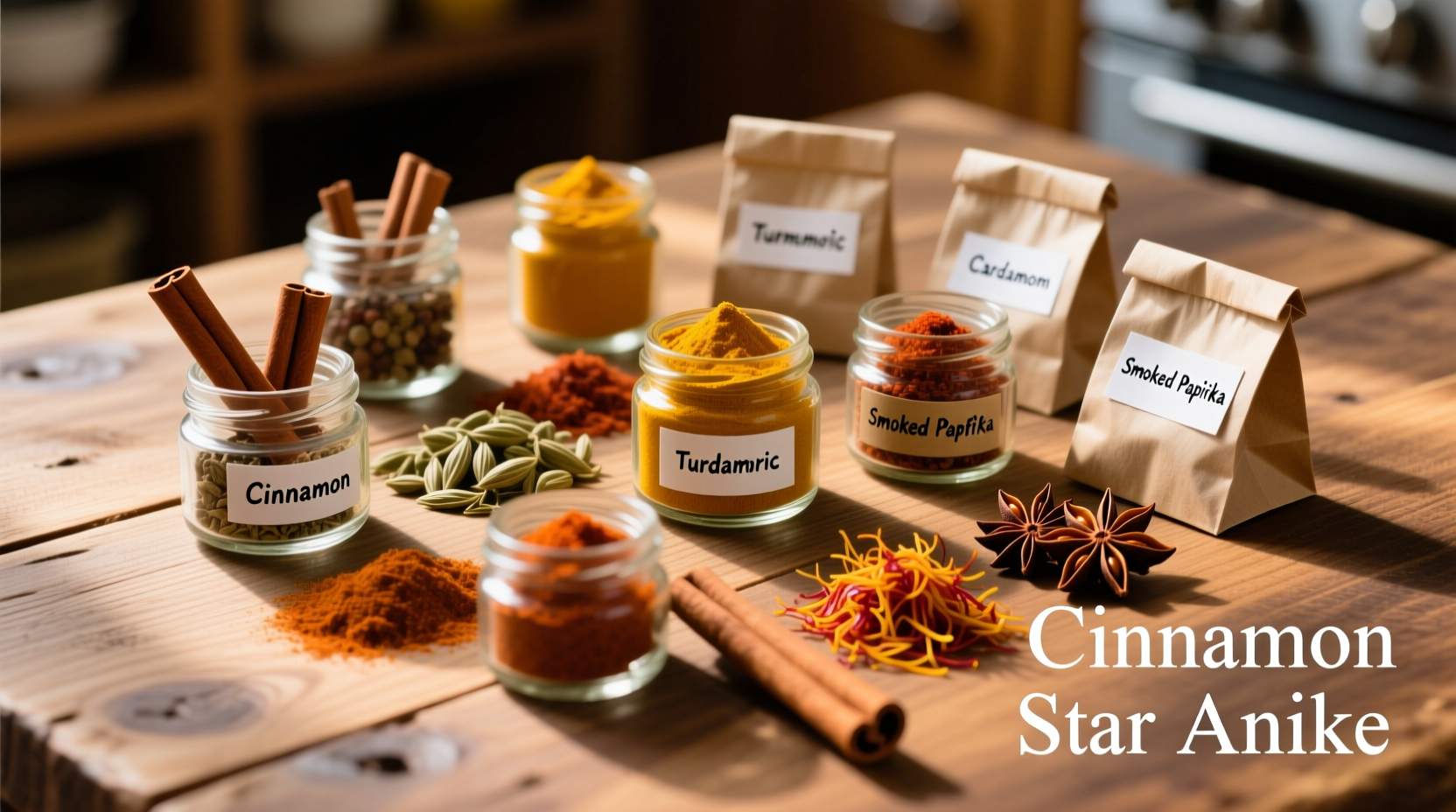
Spices are dried parts of plants—typically seeds, fruits, roots, bark, or stigmas—that are used to add flavor, color, and sometimes preservation qualities to food. Unlike herbs, which come from the leafy green parts of plants, spices originate from more concentrated sources and are often stronger in flavor. They can be used whole or ground and are integral to nearly every global cuisine, from Indian curries to Moroccan tagines and Mexican moles.
Historically, spices were so valuable they fueled exploration and empire-building. Today, they remain central to both everyday cooking and gourmet cuisine. Most spices are harvested in tropical regions but are now accessible globally through international trade. Their potency comes from volatile oils such as eugenol (in cloves), curcumin (in turmeric), and capsaicin (in chilies), which contribute not only to flavor but also to health-promoting properties.
Key Characteristics of Common Spices
Beyond taste, spices vary significantly in aroma, heat level, solubility, and shelf life. Below is a detailed overview of 15 foundational spices, including their origin, flavor profile, and primary culinary function.
| Spice | Origin | Flavor Profile | Heat Level (Scoville/Relative) | Culinary Function | Shelf Life (Ground) |
|---|---|---|---|---|---|
| Black Pepper | India (Malabar Coast) | Pungent, woody, mildly sharp | 1,000–2,000 SHU | Universal seasoning, enhances other flavors | 3–4 years |
| Cinnamon (Ceylon) | Sri Lanka | Sweet, warm, citrusy | 0 SHU | Desserts, baked goods, spiced drinks | 3–4 years |
| Cassia Cinnamon | China/Indonesia | Stronger, more bitter, less nuanced | 0 SHU | Robust dishes, commercial baking | 3–4 years |
| Turmeric | South Asia | Earthy, slightly bitter, mustard-like | 0 SHU | Coloring agent, anti-inflammatory base | 2–3 years |
| Cumin | Mediterranean/Middle East | Warm, nutty, slightly smoky | 0 SHU | Curries, chili, spice blends | 3–4 years |
| Coriander Seed | Mediterranean | Citrusy, floral, mild sweetness | 0 SHU | Indian, Middle Eastern, Latin blends | 3–4 years |
| Cardamom (Green) | India/Sri Lanka | Fragrant, eucalyptus-like, citrusy | 0 SHU | Desserts, chai, rice dishes | 2 years (whole), 1 year (ground) |
| Cloves | Indonesia (Moluccas) | Intense, sweet-pungent, numbing warmth | 0 SHU (but strong sensation) | Preserving, mulled drinks, spice mixes | 3–4 years |
| Nutmeg | Indonesia (Banda Islands) | Warm, sweet, slightly hallucinogenic in excess | 0 SHU | Baking, creamy sauces, meat rubs | 2 years (whole), 1 year (ground) |
| Mace | Outer covering of nutmeg seed | More delicate, floral version of nutmeg | 0 SHU | Poultry, fish, pickling, fine pastries | 2 years (whole), 1 year (ground) |
| Paprika | Hungary (originally Americas) | Sweet to smoky, varying heat levels | 0–10,000 SHU (by type) | Color, depth in goulash, rubs | 2–3 years |
| Cayenne Pepper | Central/South America | Sharp, searing heat, bright pepperiness | 30,000–50,000 SHU | Heat booster in sauces, marinades | 2–3 years |
| Ginger (Dried) | Southeast Asia | Spicy-sweet, zesty, warming | 0–600 SHU | Baking, stir-fries, digestive tonics | 3–4 years |
| Mustard Seed (Brown) | Sub-Saharan Africa/India | Pungent when hydrated, nutty when dry-roasted | Varies (not Scoville-based) | Pickling, tempering, emulsified sauces | 4+ years (whole) |
| Fenugreek | North Africa/South Asia | Bitter-sweet, maple-like, musky | 0 SHU | Curry bases, mock meats, breads | 3 years |
Practical Usage: How to Use Spices in Cooking
How a spice is used dramatically affects its impact. Whole spices release flavor slowly and are ideal for long-cooked dishes like stews, braises, and rice pilafs. Ground spices integrate quickly and are better suited for rubs, sauces, and batters.
Dry Toasting: Lightly heating whole spices in a dry pan unlocks essential oils and deepens flavor. For example, toasting cumin seeds before grinding intensifies their nuttiness. Heat over medium-low for 1–2 minutes until fragrant; avoid burning, which causes bitterness.
Bloom in Oil: Adding ground spices to hot oil at the beginning of cooking (common in Indian \"tadka\") disperses flavor evenly and reduces raw taste. Turmeric, coriander, and chili powder benefit from this method.
Layering Techniques: Professional chefs often layer spices at different stages. For instance, in a curry, whole spices go into oil first, followed by ground spices, then fresh aromatics. This creates complexity rather than a flat flavor profile.
Tip: Grind spices in small batches using a dedicated coffee grinder or mortar and pestle. Pre-ground spices lose up to 75% of volatile oils within six months. Freshly ground black pepper or coriander delivers a markedly brighter taste.
Measurement Guidelines:
- Use ¼ tsp ground spice per serving as a starting point.
- For whole spices in soups or stews, use ½ tsp per quart and remove before serving.
- Delicate spices like saffron or mace require precision: 10–20 threads of saffron suffice for four servings.
Variants & Types
Many spices come in multiple forms, each suited to specific uses:
Pepper Varieties
- Black Pepper: Unripe fruit, cooked and dried. Most common, with sharp bite.
- White Pepper: Ripe fruit with outer skin removed. Milder, earthier; used in light-colored sauces.
- Green Pepper: Preserved unripe berries; fresher, herbal note.
- Pink Peppercorns: Not true pepper; from a different plant. Sweet, resinous, decorative.
Paprika Types
- Sweet Paprika: Mild, vibrant red; Hungarian style.
- Smoked Paprika (Pimentón): Dried over oak fires; ranges from sweet (dulce) to hot (picante).
- Hot Paprika: Contains spicy Capsicum varieties; common in Spanish and Balkan dishes.
Cinnamon vs. Cassia
Ceylon cinnamon (“true” cinnamon) is thinner, layered, and sweeter. Cassia is thicker, harder, and contains higher coumarin levels, which may be harmful in large doses. For daily use, especially in children or sensitive individuals, Ceylon is preferred.
Ginger Forms
- Fresh Ginger: Juicy, sharp, with lemony notes.
- Dried Ground Ginger: Warmer, more concentrated; ideal for baking.
- Candied Ginger: Preserved in syrup; chewy, sweet-spicy.
Comparison with Similar Ingredients
Confusion between similar spices is common. Clarifying distinctions ensures accurate results.
| Spice | Commonly Confused With | Key Differences |
|---|---|---|
| Coriander Seed | Cilantro (fresh leaves) | Seeds are warm and citrusy; leaves are bright, soapy (to some). Same plant, different parts. |
| Mace | Nutmeg | Mace is the lacy aril around the nutmeg seed. More floral, less sweet. Use ⅔ the amount of nutmeg. |
| Star Anise | Anise Seed | Star anise is a star-shaped pod; stronger licorice flavor. Anise seed is smaller, round, and milder. |
| Fennel Seed | Dill Seed | Fennel is sweet-licorice; dill seed is grassy, tangy, used in pickling. |
| Chili Powder | Cayenne Pepper | Chili powder is often a blend (cumin, garlic, oregano); cayenne is pure ground chili. Check labels. |
“The difference between a good cook and a great one isn’t just technique—it’s understanding how spices interact. One gram of toasted cumin can anchor a dish; the same amount burned ruins it.” — Chef Anita Rao, James Beard Finalist
Practical Tips & FAQs
How should I store spices?
Keep in airtight containers away from heat, light, and moisture. A dark cabinet away from the stove is ideal. Whole spices last longer than ground—up to four years versus one to three. Avoid storing spices above the oven or near windows.
How do I know if my spices are still potent?
Perform a smell and taste test. If a spoonful of ground cinnamon lacks aroma or tastes flat, it’s time to replace it. For whole spices, crush a small amount and inhale—if scent is weak, potency is diminished.
Can I substitute one spice for another?
Limited substitutions work due to distinct flavor compounds. However:
- Use allspice in place of clove (use ¾ amount).
- Replace nutmeg with mace at a 1:1 ratio.
- In chili, smoked paprika can mimic chipotle’s smokiness without extreme heat.
Avoid substituting turmeric with saffron for color—economically impractical and alters flavor drastically.
Are expensive spices worth it?
Yes, for certain items. Saffron, vanilla, and Tasmanian pepperberry command high prices due to labor-intensive harvesting. But for others—like generic “curry powder”—quality varies widely. Buying single-origin, tested spices from reputable vendors ensures authenticity and freshness.
What are the health benefits of spices?
Many spices possess antioxidant, anti-inflammatory, and antimicrobial properties. Turmeric’s curcumin supports joint health; ginger aids digestion; cinnamon may help regulate blood sugar. However, therapeutic doses often exceed culinary use. Consult a healthcare provider before using spices medicinally.
Which spices are essential for a starter pantry?
Begin with these eight:
- Whole black peppercorns
- Cumin seeds (and/or ground)
- Coriander seeds
- Ceylon cinnamon
- Paprika (smoked and sweet)
- Turmeric
- Mustard seeds
- Cloves
Add cardamom, fenugreek, and star anise as you explore global cuisines.
Can I grow my own spices?
Some, yes. Turmeric and ginger rhizomes can be grown in pots indoors in temperate climates. Vanilla orchids require greenhouse conditions. Saffron crocus blooms once a year and needs careful tending. For most home cooks, sourcing high-quality dried spices remains more practical.
Mini Case Study: Building a Spice Blend
To make a basic garam masala, toast equal parts cumin, coriander, cardamom, cloves, and cinnamon. Cool, then grind. Add nutmeg at 10% volume. Use within two months for peak aroma. This blend exemplifies synergy—no single spice dominates, yet together they create warmth and depth unmatched by any single ingredient.
Summary & Key Takeaways
Spices are not mere seasonings—they are tools of transformation. Understanding their origins, forms, and behaviors allows cooks to manipulate flavor with precision. Key insights include:
- Whole spices last longer and offer deeper flavor when toasted or bloomed.
- Freshly ground spices outperform pre-ground in aroma and potency.
- Different forms (e.g., smoked vs. sweet paprika) serve distinct culinary roles.
- Proper storage preserves volatile oils and extends usability.
- Substitutions require caution—many spices are chemically unique.
- Building a core spice pantry enables versatility across global cuisines.
Mastering spices is a lifelong journey. Start with a few essentials, experiment with toasting and layering, and gradually expand your repertoire. The result is food that doesn’t just feed—but resonates.




 浙公网安备
33010002000092号
浙公网安备
33010002000092号 浙B2-20120091-4
Comments
No comments yet. Why don't you start the discussion?