
Spices are the silent architects of flavor, shaping the identity of cuisines across continents and centuries. More than mere seasonings, they carry the history, climate, and cultural memory of the regions from which they originate. To explore global spice traditions is to embark on a sensory journey through time and terrain—understanding not just what we eat, but why we eat it. For home cooks and culinary enthusiasts alike, mastering these traditions unlocks deeper authenticity in cooking, transforming everyday meals into expressions of global heritage. This article delves into the foundational spices of major culinary regions, their characteristics, applications, and how to use them effectively in modern kitchens.
Definition & Overview
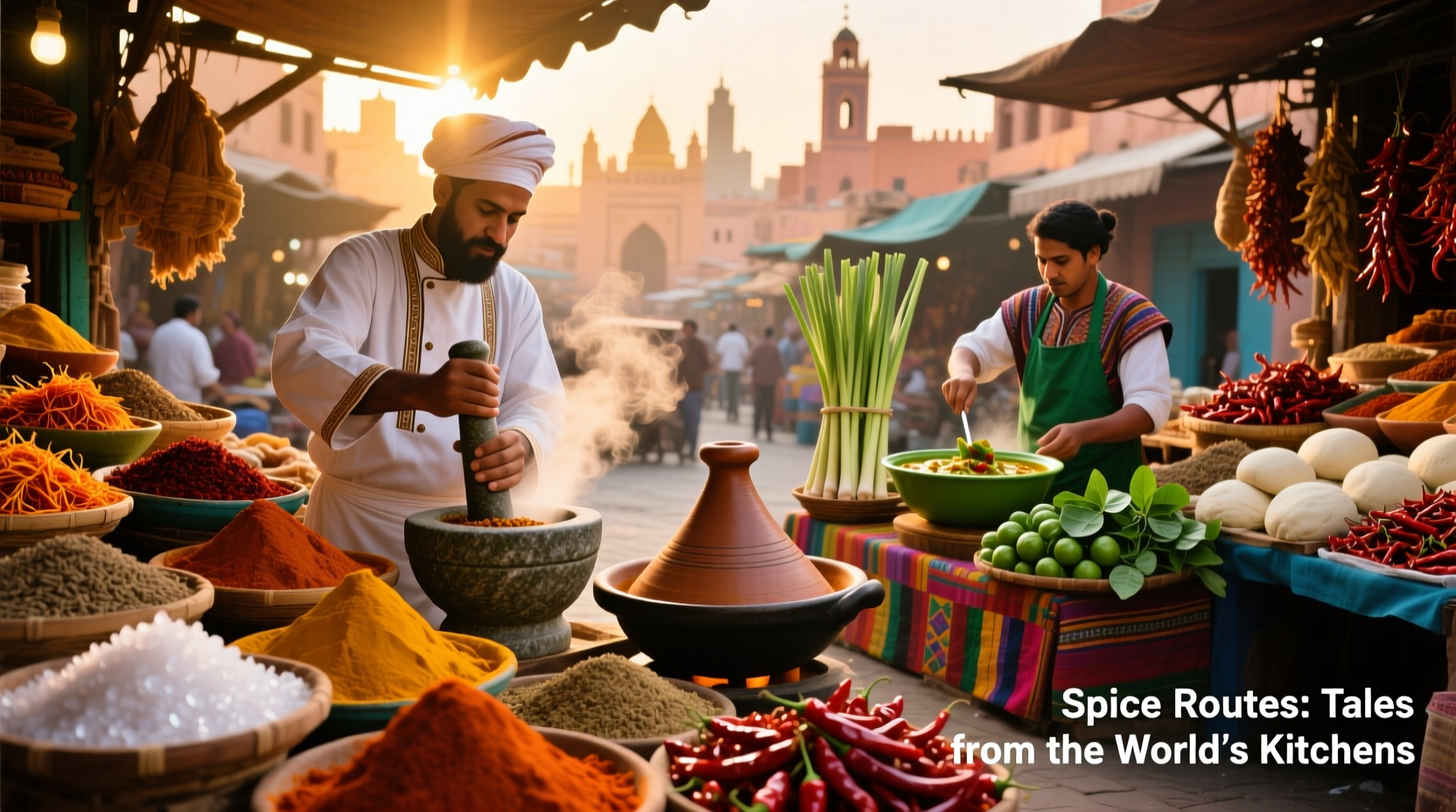
A spice is a dried seed, fruit, root, bark, or vegetable substance primarily used for flavoring, coloring, or preserving food. Unlike herbs, which are typically the fresh or dried leaves of plants, spices are usually derived from non-leafy plant parts and tend to have more concentrated, complex flavors. Their use dates back thousands of years, with ancient trade routes like the Silk Road and the Spice Route facilitating the exchange of cloves, pepper, cinnamon, and nutmeg between Asia, the Middle East, Africa, and Europe.
Today, each major culinary region has developed a signature spice profile based on local availability, historical trade influences, and traditional preparation methods. Indian curries rely on layered blends like garam masala; North African tagines feature warm notes of cumin and saffron; Chinese five-spice powder balances sweet, sour, bitter, pungent, and salty elements; while Mexican moles incorporate smoked chiles and cocoa alongside warm spices. Understanding these frameworks allows cooks to move beyond recipes and begin thinking like regional artisans.
Key Characteristics of Major Global Spices
The following table outlines essential spices from key culinary regions, detailing their flavor profiles, heat levels, and primary uses:
| Spice | Origin | Flavor Profile | Heat Level (Scoville or Relative) | Culinary Function | Shelf Life (Whole/Ground) |
|---|---|---|---|---|---|
| Black Pepper | India | Pungent, woody, slightly floral | Low (10,000 SHU) | Universal seasoning, enhances other flavors | 3–4 years / 2–3 years |
| Cardamom (Green) | Southern India, Sri Lanka | Floral, citrusy, eucalyptus-like | None | Aromatic base in curries, desserts, coffee | 4+ years / 2 years |
| Cumin Seeds | Mediterranean, South Asia | Earthy, nutty, slightly bitter | None | Base for curries, stews, spice rubs | 4 years / 2–3 years |
| Turmeric | South Asia | Earthy, slightly bitter, peppery | None | Coloring agent, anti-inflammatory properties | 3–4 years / 1–2 years |
| Star Anise | China, Vietnam | Strong licorice, sweet, warming | None | Used in braises, pho, five-spice blends | 4+ years / 2 years |
| Paprika | Hungary, Spain | Sweet, smoky, or hot depending on variety | Mild to Medium (500–10,000 SHU) | Color and depth in stews, rubs, sauces | 3 years / 1–2 years |
| Sumac | Middle East | Tangy, lemony, slightly astringent | None | Acidulant in dry rubs, salads, rice dishes | 3 years / 1 year |
| Long Pepper (Pippali) | India, Indonesia | Complex heat with notes of cinnamon and cardamom | Medium-High (20,000 SHU) | Historical substitute for black pepper, depth in blends | 3 years / 1.5 years |
Practical Usage: How to Use Global Spices in Home Cooking
Using spices effectively requires more than adding them at random. Technique, timing, and pairing determine whether a dish sings or falls flat. The most impactful method across many traditions is **blooming**—toasting whole spices in oil or dry-heating them before grinding or incorporating into a dish. This process releases volatile oils, intensifying aroma and integrating flavor more fully into the final product.
For example, in Indian cooking, a common first step is tempering mustard seeds, cumin, and curry leaves in hot oil to create a *tadka*, which is then poured over dals or vegetables. In Moroccan cuisine, cumin, coriander, and ginger are often dry-toasted and ground fresh before being added to tagine bases. Similarly, Chinese chefs frequently fry star anise, cassia bark, and Sichuan peppercorns in oil to build the foundation of red-cooked dishes.
Pro Tip: Always toast whole spices in a dry skillet over medium-low heat for 1–3 minutes, shaking frequently until fragrant. Avoid high heat, which can burn delicate compounds and create bitterness. Grind only what you need for immediate use to preserve potency.
When using pre-ground spices, add them later in the cooking process—typically after aromatics like onions and garlic have softened—to prevent scorching. Ground turmeric, paprika, and chili powders should be cooked briefly (30 seconds to 1 minute) in fat to remove raw edges and deepen flavor.
Pairing spices thoughtfully is equally important. Consider these classic combinations:
- Indian Trio: Cumin, coriander, turmeric – forms the base of most curries and dals.
- Middle Eastern Blend: Cumin, coriander, sumac, cinnamon – ideal for grilled meats and grain salads.
- Chinese Five-Spice: Star anise, cloves, cinnamon, Sichuan pepper, fennel seeds – balances sweet, numbing, and warming notes.
- Mexican Mole Base: Ancho, pasilla, and mulato chiles with cinnamon, clove, and cumin – creates deep, smoky-sweet complexity.
Start with small quantities—1/4 to 1/2 teaspoon per serving—and adjust gradually. Over-spicing is irreversible; under-spicing can always be corrected.
Variants & Types: Regional Forms and Preparations
Many spices appear in multiple forms, each suited to specific culinary purposes. Recognizing these variants helps match the right form to the right dish.
Whole vs. Ground Spices
Whole spices retain their essential oils longer and are preferred for slow-cooked dishes where prolonged heating extracts full flavor. Examples include bay leaves in soups, cinnamon sticks in mulled wine, and cardamom pods in biryanis. Ground spices offer convenience and faster integration but lose potency within months. They work best in quick-cooking applications like stir-fries or salad dressings.
Dried vs. Fresh
Some spices exist in both fresh and dried forms with distinct profiles. Fresh ginger is bright and sharp, while dried ginger is warmer and more concentrated. Fresh turmeric rhizome has citrusy, earthy notes and vibrant color, whereas dried turmeric powder is more bitter and less aromatic. When possible, use fresh versions in raw preparations (e.g., juices, chutneys) and dried in cooked dishes.
Regional Blends and Pastes
Many cultures use compound spice preparations that encapsulate regional philosophies:
- Garam Masala (India): A warming blend of green and black cardamom, cloves, cinnamon, mace, and black pepper. Added at the end of cooking to preserve fragrance.
- Ras el Hanout (Morocco): Literally “top of the shop,” this variable mix may contain up to 30 spices, including cubeb pepper, grains of paradise, and rose petals. Used in tagines and couscous.
- Chinese Five-Spice Powder: Combines star anise (sweet), cloves (bitter), cinnamon (salty), Sichuan pepper (numbing), and fennel (sour) to represent the five elements.
- Adobo Seasoning (Philippines/Latin America): Typically includes garlic, oregano, cumin, and annatto. Used as a dry rub or marinade base.
| Spice Form | Best Used In | Storage Tip |
|---|---|---|
| Whole Seeds (cumin, mustard) | Tempering, pickling, breads | Store in airtight glass jars away from light |
| Ground Powders | Sauces, rubs, quick sautés | Label with purchase date; replace every 18 months |
| Fresh Rhizomes (ginger, turmeric) | Grated into dressings, juiced, stir-fried | Peel, slice, freeze in oil for long-term use |
| Pre-Mixed Blends | Signature dishes requiring authenticity | Buy in small batches; store cool and dark |
Comparison with Similar Ingredients
Confusion often arises between visually or flavor-wise similar spices. Distinguishing them ensures accurate results.
Cinnamon vs. Cassia
True cinnamon (*Cinnamomum verum*) comes from Sri Lanka and has a delicate, sweet flavor with thin, papery layers. Cassia, commonly sold as \"cinnamon\" in the U.S., is thicker, stronger, and contains higher levels of coumarin, which can be harmful in excess. Use true cinnamon in desserts and delicate dishes; reserve cassia for robust stews and spiced teas.
Coriander Seed vs. Cilantro
Though from the same plant (*Coriandrum sativum*), the seed and leaf are vastly different. Coriander seed is warm, citrusy, and slightly sweet—used in baking and curries. Cilantro (the leaf) is polarizing due to genetic sensitivity, offering a bright, soapy note when fresh. They are not interchangeable.
Sichuan Peppercorns vs. Black Peppercorns
Sichuan peppercorns are not true peppers but the husks of prickly ash berries. They produce a tingling, numbing sensation (*ma la*) rather than heat. Black peppercorns deliver sharp, pungent heat. Often used together in Sichuan cuisine for layered effect.
“The difference between good cooking and great cooking is often not the ingredients themselves, but how deeply you understand their origin and behavior.” — Chef Fuchsia Dunlop, culinary anthropologist and Sichuan cuisine expert
Practical Tips & FAQs
How do I store spices to maximize shelf life?
Keep spices in airtight containers away from heat, light, and moisture. Avoid storing above the stove or near dishwashers. Whole spices last significantly longer—up to four years—while ground versions degrade within two. Label jars with purchase dates and rotate stock regularly.
Can I substitute one spice for another?
Substitutions are possible but alter flavor profiles. For example:
- Use allspice for cloves (½ amount)
- Replace cardamom with equal parts nutmeg + ginger
- Smoked paprika can mimic chipotle in moderation
Are expensive spices worth it?
Yes, for certain items. Saffron, vanilla beans, and Tasmanian pepper require labor-intensive harvesting. Buying low-grade versions yields poor flavor and waste. Invest in high-quality saffron (deep red threads, no yellow stems) and real vanilla extract. For others like cumin or coriander, quality differences are subtler—focus on freshness instead.
How much spice should I use per serving?
A general guideline:
- Whole spices: ½ tsp per serving (remove before eating)
- Ground spices: ¼–½ tsp per serving
- Strong spices (cloves, allspice, nutmeg): ⅛ tsp or less
- Blends: Follow recipe; taste as you go
What are the health benefits of common spices?
Many spices have documented therapeutic properties:
- Turmeric: Curcumin has anti-inflammatory and antioxidant effects.
- Cinnamon: May help regulate blood sugar levels.
- Ginger: Effective against nausea and digestive discomfort.
- Garlic: Contains allicin, linked to cardiovascular support.
Can I grow my own spices?
Some spices are feasible to grow at home:
- Turmeric & Ginger: Grow in pots with indirect sunlight and rich soil; harvest after 8–10 months.
- Basil & Cilantro: Easy windowsill herbs; harvest leaves regularly.
- Chilies: Thrive in containers; dry and grind for homemade paprika or chili flakes.
Checklist: Building a Global Spice Pantry
- Start with whole spices: cumin, coriander, mustard seeds, black peppercorns
- Add foundational powders: turmeric, smoked paprika, ground cinnamon
- Include regional anchors: sumac (Middle East), Sichuan peppercorns (China), ajwain (India)
- Invest in one premium item: saffron or vanilla beans
- Keep a small grinder or mortar and pestle for fresh milling
- Label and date all containers
Summary & Key Takeaways
Global spice traditions are not static formulas but living systems shaped by geography, history, and human ingenuity. By understanding the origins, characteristics, and proper usage of spices, cooks gain the ability to recreate authentic dishes and innovate with confidence. Key principles include prioritizing whole spices, mastering blooming techniques, respecting regional blends, and storing properly to maintain potency.
The world’s spice traditions invite exploration—not just as ingredients, but as cultural narratives written in scent and taste. Whether crafting a Thai green curry, a Persian rice pilaf, or a West African yassa, the thoughtful application of spices connects us to a shared culinary ancestry. Begin with one tradition, master its core spices, and let that knowledge become the foundation for broader adventures.
Ready to expand your palate? Choose one new spice this week—toast it, grind it, taste it alone, then add it to a familiar dish. Notice how it transforms the experience. That single act is the beginning of true culinary fluency.




 浙公网安备
33010002000092号
浙公网安备
33010002000092号 浙B2-20120091-4
Comments
No comments yet. Why don't you start the discussion?