
For cooks who value depth, warmth, and aromatic complexity, few spices deliver as reliably as ground coriander seeds. Often overshadowed by flashier seasonings, this humble spice is a backbone in global cuisines—from Indian curries to Middle Eastern falafel, Moroccan tagines to Scandinavian rye breads. Understanding ground coriander goes beyond simply adding flavor; it’s about mastering balance, enhancing aromatics, and unlocking layers in both savory and sweet preparations. This comprehensive guide dives into the essence of ground coriander, offering practical insights for home chefs and seasoned cooks alike.
Definition & Overview
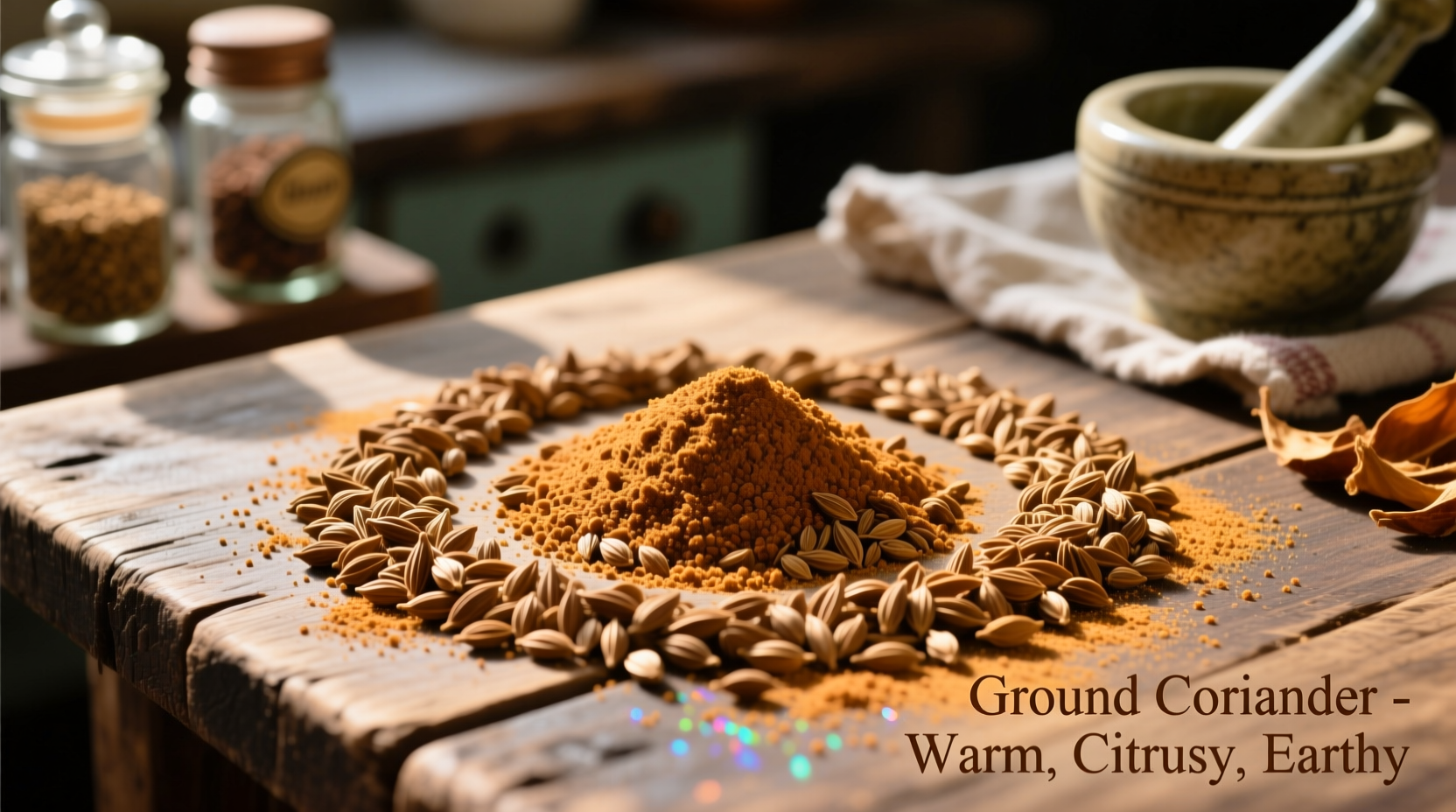
Ground coriander is the finely milled form of dried coriander seeds, which come from the plant *Coriandrum sativum*. While the fresh leaves of this plant are known as cilantro, the seeds are harvested once mature, dried, and often toasted before grinding. Unlike the polarizing freshness of cilantro leaves, ground coriander offers a universally appealing, warm, citrusy-sweet aroma that integrates seamlessly into complex spice blends.
Native to the Mediterranean and Middle East, coriander has been used for over 7,000 years, with archaeological evidence found in Israel and Egypt. Today, major producers include India, Morocco, and Romania. In culinary taxonomy, ground coriander is classified as a warm spice, falling within the seed-based category alongside cumin, fennel, and caraway. It plays dual roles—as a primary flavor agent and as a supporting note that rounds out harsh edges in bold dishes.
Key Characteristics
| Attribute | Description |
|---|---|
| Flavor Profile | Warm, citrusy (lemony), slightly sweet, with earthy undertones and a hint of floral nuttiness. Lacks heat but adds depth. |
| Aroma | Bright and fragrant when freshly ground; reminiscent of orange peel and sage with a mild peppery lift. | tr>
| Color | Light tan to pale beige, sometimes with a faint golden hue depending on roast level. |
| Heat Level | Non-pungent; zero Scoville units. Does not contribute spiciness but enhances perception of other flavors. |
| Culinary Function | Acts as a flavor base, aroma enhancer, and textural binder in spice rubs, marinades, and doughs. |
| Shelf Life | 6–12 months when stored properly; loses volatile oils and potency over time. |
| Common Forms | Whole seeds, pre-ground powder, roasted vs. raw, organic vs. conventional. |
Pro Tip: Whole coriander seeds retain their essential oils far longer than ground versions. For maximum flavor impact, toast and grind them just before use using a mortar and pestle or spice grinder.
Practical Usage: How to Use Ground Coriander in Cooking
Ground coriander is remarkably versatile, functioning equally well in long-simmered stews and quick sautés. Its solubility in fats and water allows it to disperse evenly, making it ideal for wet and dry applications alike.
Dry Rubs and Marinades
Mix ground coriander with paprika, garlic powder, salt, and black pepper for a universal meat rub. Apply to chicken thighs, pork shoulder, or lamb chops before roasting or grilling. The spice adheres well and forms a flavorful crust without burning easily. For marinades, combine with yogurt or oil—its compounds bind effectively with fat, allowing deeper flavor penetration.
“In Indian tandoori preparations, ground coriander is non-negotiable. It tempers the heat of chilies and grounds the brightness of lemon and ginger.”
— Chef Anika Patel, Culinary Instructor at SpiceRoots Academy
Curries and Stews
In South Asian and North African cooking, ground coriander is one of the first spices added to hot oil or ghee after onions begin to soften. This technique, known as tempering, blooms the spice’s essential oils. A standard ratio in many Indian curries is 1 tablespoon ground coriander to 1 teaspoon turmeric and 1½ teaspoons cumin per 500g of protein. It contributes body and mellows acidity from tomatoes or tamarind.
Baking and Sweet Applications
Less commonly known, ground coriander shines in desserts. German *Lebkuchen* and Danish *pebernødder* rely on its citrusy warmth to complement honey, molasses, and candied fruit. Add ¼ to ½ teaspoon to apple pie fillings, pumpkin bread, or spiced poached pears. It pairs exceptionally well with cinnamon, nutmeg, and cardamom in sweet spice mixes.
Vegetable and Legume Dishes
Toss roasted carrots or cauliflower with olive oil, ground coriander, cumin, and lemon zest. The spice enhances natural sweetness while adding aromatic complexity. In lentil soups or chickpea stews, it rounds out earthiness and prevents monotony.
Homemade Spice Blends
Ground coriander is foundational in numerous global blends:
- Garam Masala (India): Combined with cardamom, cloves, and cinnamon for finishing dishes.
- Harissa (North Africa): Blended with chili peppers, garlic, and caraway for fiery pastes.
- Dukkah (Egypt): Mixed with nuts, sesame, and cumin for dipping oils.
- Chinese Five-Spice (variant use): Occasionally included in regional interpretations for citrus lift.
Actionable Ratio Guide: When building a curry base, use a 2:1 ratio of ground coriander to cumin. For baking, start with ¼ tsp per cup of flour and adjust to taste.
Variants & Types of Ground Coriander
Not all ground coriander is created equal. Differences in origin, processing, and preparation affect flavor intensity and suitability for specific dishes.
Raw vs. Roasted Ground Coriander
Raw ground coriander retains a brighter, more herbal character. It works best in dishes where subtlety is key, such as light vegetable stir-fries or salad dressings. Roasted (or toasted) ground coriander develops deeper, nuttier notes and is preferred for robust applications like biryanis, meat curries, and spice rubs.
Pre-Ground vs. Freshly Ground
Store-bought pre-ground coriander is convenient but often stale due to prolonged exposure to air and light. Volatile oils degrade rapidly, diminishing aroma. Freshly ground coriander—prepared from whole seeds toasted lightly in a dry pan—offers up to 60% more aromatic intensity.
Organic and Fair-Trade Certified
These variants ensure no synthetic pesticides and support ethical farming practices. While pricier, they often reflect higher quality control and fresher sourcing, especially when purchased from specialty spice merchants.
Regional Varieties
Indian coriander tends to be more pungent and citrus-forward, while Moroccan varieties exhibit floral and minty nuances. Russian and Eastern European coriander often has a woodier, drier profile suited to rye breads and pickling brines.
| Type | Best Used For | Recommended Storage |
|---|---|---|
| Raw, Pre-Ground | Quick sauces, dressings, everyday use | Airtight container, cool/dark place; use within 6 months |
| Roasted, Freshly Ground | Curries, roasts, spice blends | Grind as needed; store whole seeds up to 2 years |
| Organic Whole Seeds | Home grinding, artisanal cooking | Whole seeds in glass jar; away from stove/oven |
Comparison with Similar Ingredients
Ground coriander is frequently confused with other spices, particularly cilantro and cumin. Clarifying these distinctions ensures accurate usage and better results.
| Spice | Flavor Difference | Culinary Role | Substitution Notes |
|---|---|---|---|
| Cilantro (fresh leaves) | Fresh, soapy (to some), herbaceous; lacks warmth | Garnish, salsa, chutney | Not interchangeable; use parsley or culantro if avoiding cilantro |
| Cumin | Drier, earthier, smokier, with a slight bitterness | Base spice in Tex-Mex, Indian, Middle Eastern | Can be paired with coriander but not substituted 1:1 |
| Fennel Seed | Sweet, anise-like, licorice-forward | Italian sausages, braised fish, digestive teas | Too distinct in flavor; not a substitute |
| Caraway | Sharp, tangy, with a resinous finish | Rye bread, goulash, cabbage dishes | Only interchangeable in small amounts in certain blends |
A classic example: Many assume \"coriander\" on an ingredient list refers to the leaf. In British and Commonwealth recipes, however, \"coriander\" means the seed unless specified as \"fresh coriander.\" Always check context.
Practical Tips & FAQs
How much ground coriander should I use?
Start with ½ to 1 teaspoon per serving in savory dishes. Because it's non-irritating and low in volatility, it’s difficult to overuse, but excess can lead to a dusty, overly earthy note. In spice blends, keep it under 30% of the total volume unless building a coriander-forward dish.
Can I substitute ground coriander for whole seeds?
Yes, but reverse substitution is better. Use ¾ teaspoon ground coriander for every 1 teaspoon of whole seeds. Whole seeds provide texture and burst of flavor when bitten; ground offers even dispersion.
Does ground coriander go bad?
It doesn’t spoil in the microbial sense but degrades in quality. After six months, aroma diminishes significantly. To test freshness, rub a pinch between your fingers and inhale. If the scent is faint or musty, replace it.
Is ground coriander the same as Chinese parsley?
Botanically, yes—both come from *Coriandrum sativum*. But \"Chinese parsley\" typically refers to the fresh leaf (cilantro), not the seed. Confusion arises from overlapping nomenclature across cultures.
What are the health benefits?
Coriander seeds contain antioxidants, dietary fiber, and compounds shown in studies to support digestion and moderate blood sugar. While not medicinal in typical culinary doses, regular use contributes to a phytonutrient-rich diet.
Can I grow and grind my own?
Absolutely. Coriander grows easily in temperate climates. Allow flowers to set seed, harvest when brown, and dry for two weeks. Toast lightly (1–2 minutes in a dry skillet), then grind. Home-harvested seeds often have superior fragrance due to immediate processing.
Storage Best Practices Checklist
- Store in an airtight glass container, not plastic.
- Keep away from heat sources (stove, oven, sunlight).
- Label with purchase or grind date.
- Buy in small quantities—spices are perishable.
- Never store above the stove—a common but damaging habit.
Summary & Key Takeaways
Ground coriander seeds are a cornerstone spice that bridges cultures, cuisines, and cooking styles. Far more than a background player, it actively shapes the sensory experience of a dish through its warm citrus aroma, balancing sweetness, and ability to harmonize strong flavors. Whether used in traditional curries, modern fusion rubs, or unexpected dessert applications, its versatility is unmatched among seed-based spices.
The most impactful takeaway: freshness defines performance. Opt for whole seeds whenever possible and grind them just before use. Understand its role—not as a dominant force, but as a unifying element that elevates everything around it. Paired correctly with cumin, turmeric, or chili, it becomes part of a greater whole. Used alone, it reveals quiet complexity that rewards attentive cooking.
Challenge for the Week: Replace pre-mixed curry powder with a blend of freshly ground coriander, cumin, and turmeric. Taste the difference in a simple dal or chicken stew—you’ll never go back.




 浙公网安备
33010002000092号
浙公网安备
33010002000092号 浙B2-20120091-4
Comments
No comments yet. Why don't you start the discussion?