
Italian seasoning is more than just a jar on the spice rack—it’s a gateway to the sun-drenched hills of the Mediterranean, where herbs grow wild and flavors are layered with history. For home cooks seeking depth, aroma, and authenticity in everyday meals, understanding this blend is essential. Whether you're roasting vegetables, grilling chicken, or simmering tomato sauce, Italian seasoning can elevate your dish from ordinary to evocative. Yet many use it without knowing its components, proper applications, or how to adapt it beyond convenience. This guide unpacks every dimension of Italian seasoning—its composition, culinary roles, variations, and intelligent usage—so you can wield it with precision and creativity.
Definition & Overview
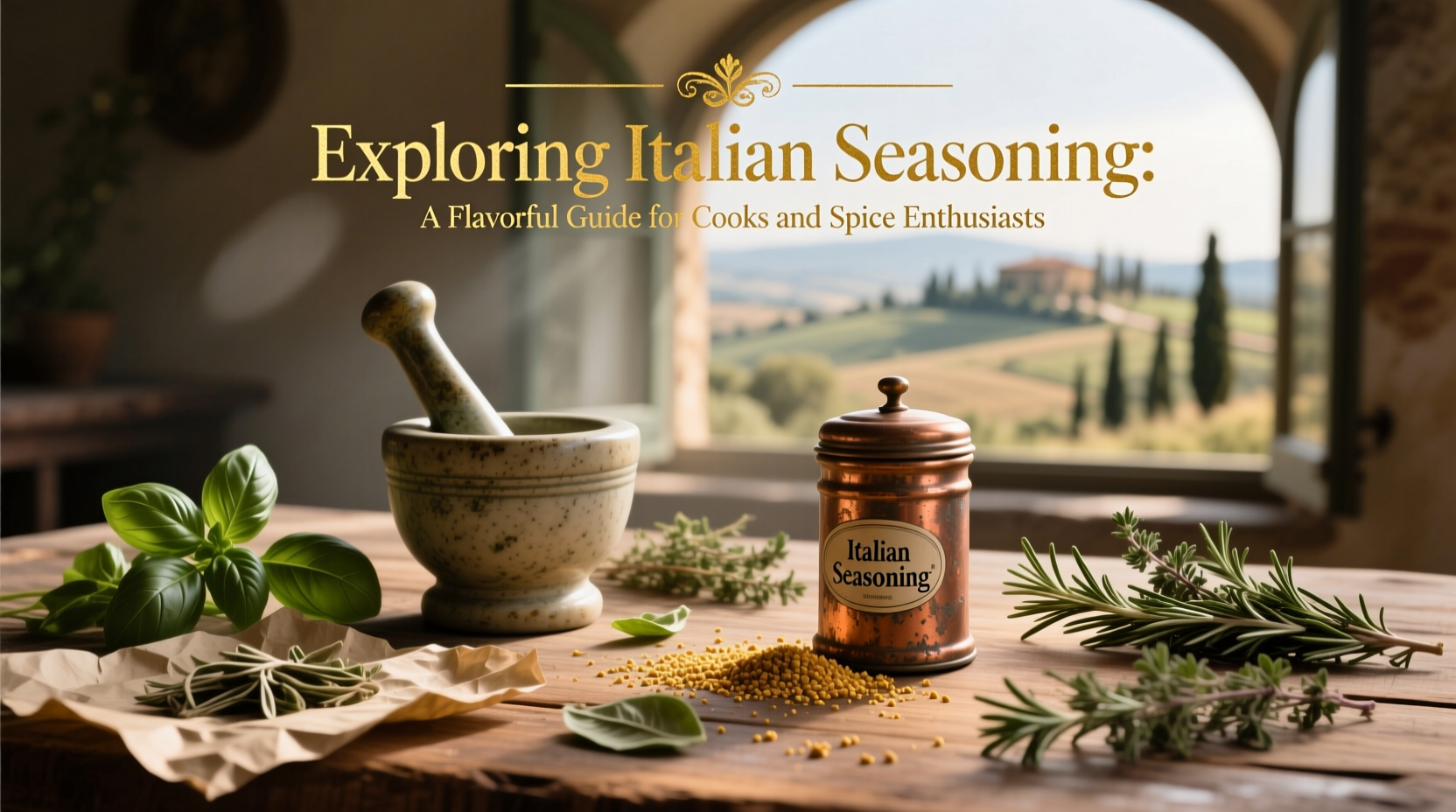
Italian seasoning is a pre-mixed dried herb blend traditionally associated with the cuisine of Italy, though it was largely popularized in North America during the mid-20th century. Unlike region-specific European blends like herbes de Provence or za’atar, Italian seasoning does not originate from a single authentic source in Italy but rather reflects a Western interpretation of the country’s most emblematic herbs.
The typical formulation combines several aromatic Mediterranean herbs known for their compatibility with olive oil, garlic, tomatoes, and grilled proteins. These include basil, oregano, rosemary, thyme, and marjoram. Some commercial versions may also contain sage, savory, or red pepper flakes, depending on the manufacturer's profile. The result is a balanced, earthy, slightly floral, and mildly pungent mixture that enhances savory dishes without overwhelming them.
While fresh herbs dominate actual Italian cooking, the dried blend serves as a practical alternative for consistent flavor in pantries worldwide. Its strength lies not in replicating regional authenticity but in offering a versatile foundation for dishes inspired by Italian culinary traditions—from lasagna and focaccia to marinades and roasted meats.
Key Characteristics
| Attribute | Description |
|---|---|
| Flavor Profile | Earthy, slightly sweet, aromatic; dominated by warm notes of oregano and thyme, brightened by basil and marjoram. |
| Aroma | Fragrant and herbal, with pine-like hints (rosemary), floral undertones (marjoram), and a subtle camphor quality when crushed. |
| Form | Dried, crumbled leaves; typically sold in shaker jars or bulk containers. |
| Heat Level | Non-spicy unless blended with chili flakes; purely aromatic. |
| Culinary Function | Flavor enhancer in slow-cooked dishes, rubs, dressings, and baked goods; contributes depth rather than heat. |
| Shelf Life | 1–2 years when stored properly; potency diminishes over time. |
| Solubility | Best rehydrated in oil, water, or acidic liquids; releases flavor gradually during cooking. |
Practical Usage: How to Use Italian Seasoning in Cooking
Italian seasoning shines in applications where slow infusion allows its complex notes to bloom. Because it consists of dried herbs, it benefits from time and moisture to release full flavor. It should rarely be used as a finishing spice unless paired with fat or liquid to activate its oils.
Best Applications in Home Cooking
- Pasta Sauces: Add 1–2 teaspoons to tomato-based sauces while sautéing onions and garlic. Let simmer for at least 20 minutes to integrate flavors.
- Roasted Vegetables: Toss carrots, zucchini, bell peppers, or potatoes with olive oil, salt, and 1 teaspoon per pound of vegetables before roasting at 400°F (200°C).
- Marinades: Combine with olive oil, lemon juice, minced garlic, and Dijon mustard for chicken, pork, or portobello mushrooms. Marinate for 2–6 hours.
- Bread & Dough: Incorporate into focaccia, pizza crust, or dinner rolls (½–1 tsp per cup of flour) for an aromatic lift.
- Bean & Grain Dishes: Stir into lentil soups, minestrone, or farro salads after cooking to add herbal complexity.
Professional Techniques
In restaurant kitchens, chefs often treat Italian seasoning not as a static blend but as a customizable base. One approach is to toast the dried herbs lightly in a dry pan before grinding—a technique that intensifies aroma and reduces bitterness. Another method involves blooming the spices in warm olive oil for 1–2 minutes prior to adding other ingredients, which extracts volatile compounds more effectively than cold mixing.
For example, a chef preparing a rustic bean stew might warm 2 tablespoons of extra virgin olive oil, add 1½ teaspoons of Italian seasoning, swirl for 60 seconds until fragrant, then incorporate diced tomatoes and aromatics. This small step creates a more cohesive and pronounced flavor profile.
TIP: When using Italian seasoning in long-simmered dishes (like ragù or soup), add it early to allow full integration. For quicker sautés or dressings, mix it with oil first to prevent clumping and improve dispersion.
Pairing Suggestions and Ratios
Italian seasoning works synergistically with core elements of Mediterranean cooking:
- Garlic & Onion: Foundational partners; amplify savory depth.
- Olive Oil: Ideal carrier for releasing essential oils in dried herbs.
- Tomatoes: Acidity balances the earthiness of oregano and rosemary.
- Cheese: Pairs well with Parmesan, Pecorino, mozzarella, and ricotta.
- Lemon Zest: Brightens heavier blends; especially effective in seafood applications.
General Ratio Guidelines:
- Per pound of meat or vegetables: 1–2 teaspoons
- Per quart of soup/stew: 1–1½ teaspoons
- Per cup of sauce: ½–1 teaspoon
- Per batch of bread dough: 1–2 teaspoons
Adjust based on freshness and personal taste. Older blends require slightly more due to diminished potency.
Variants & Types of Italian Seasoning
Not all Italian seasonings are created equal. Variations exist across brands, regions, and intended uses. Understanding these differences helps you choose—or create—the right blend for your needs.
Commercial Blends
- Standard Blend: Typically equal parts basil, oregano, marjoram, thyme, and rosemary. Most widely available (e.g., McCormick, Simply Organic).
- Spicy Italian Seasoning: Includes crushed red pepper flakes or cayenne; commonly used in sausage seasoning or Arrabbiata-style dishes.
- Low-Sodium Versions: Marketed for health-conscious consumers; same herb ratios without added salt.
- Organic & Non-GMO: Sourced from certified farms; often features better color retention and stronger aroma.
Artisanal & Custom Blends
High-end or specialty producers may emphasize terroir and sourcing—using Greek oregano for sharper bite, Tuscan rosemary for pine intensity, or Sicilian wild fennel for subtle licorice notes. These are often labeled “gourmet” or “chef’s blend.”
DIY Homemade Italian Seasoning
Making your own blend ensures freshness, control over proportions, and avoidance of anti-caking agents or fillers. Here’s a balanced recipe:
- 2 tbsp dried sweet basil
- 2 tbsp dried marjoram
- 2 tbsp dried oregano
- 1 tbsp dried thyme
- 1 tbsp dried rosemary (finely crushed)
- (Optional) 1 tsp rubbed sage or ½ tsp crushed red pepper
Mix thoroughly and store in an airtight glass jar away from light and heat. Use within 12 months for peak flavor.
PRO TIP: Grind rosemary separately using a mortar and pestle or spice grinder to avoid woody chunks. Whole dried leaves release flavor unevenly when cooked.
Comparison with Similar Ingredients
Italian seasoning is often mistaken for other herb blends. Understanding distinctions prevents misapplication and improves recipe accuracy.
| Blend | Composition | Origin/Use | Key Difference |
|---|---|---|---|
| Herbes de Provence | Lavender, thyme, rosemary, savory, marjoram | France; roasted meats, stews, vegetable tarts | Contains lavender (floral note); less sweet, more perfumed than Italian blend |
| ZA'ATAR | Thyme, sumac, sesame seeds, sometimes oregano | Levantine; flatbreads, labneh, grilled meats | Tangy from sumac; nutty from sesame; Middle Eastern profile |
| Chinese Five-Spice | Star anise, cloves, cinnamon, Sichuan pepper, fennel seed | China; braised meats, duck, marinades | Sweet-warm-spicy; completely different cultural context and chemistry |
| Poultry Seasoning | Sage, thyme, marjoram, rosemary, nutmeg | North America; turkey, stuffing, poultry rubs | Stronger sage presence; designed for rich meats, not tomato-based dishes |
\"Many home cooks reach for Italian seasoning thinking it’s a direct translation of what Italians use daily. But in Italy, people rely on fresh herbs picked from windowsills or markets. The blend we know is a pantry adaptation—one that works well if used thoughtfully.\" — Chef Elena Ricci, Culinary Instructor, Naples Cooking Academy
Practical Tips & FAQs
Q: Is Italian seasoning the same as oregano?
A: No. Oregano is one component—often dominant—but Italian seasoning includes multiple herbs. Using only oregano will result in a harsher, one-dimensional flavor.
Q: Can I substitute fresh herbs for Italian seasoning?
A: Yes, with adjustments. Use three times the amount of fresh herbs as dried (due to water content). For 1 tsp dried blend, use ~1 tablespoon chopped fresh mix of basil, oregano, thyme, and marjoram. Add near the end of cooking to preserve brightness.
Q: Does Italian seasoning expire?
A: It doesn’t spoil, but loses potency. After 18–24 months, the aroma fades and flavor becomes dull. Test freshness by rubbing a pinch between fingers—if scent is weak, replace it.
Q: Should I make my own or buy it?
A: Both have merit. Store-bought offers convenience and consistency. Homemade gives control over quality, ratios, and absence of additives. Consider blending your own if you cook frequently with Mediterranean flavors.
Q: What dishes should I avoid using it in?
A: Steer clear of delicate seafood (like sole or scallops), desserts, or Asian cuisines where its profile clashes. Avoid pairing with strong competing spices like curry powder or smoked paprika unless intentionally layering global flavors.
Q: Can I use it in vegetarian or vegan cooking?
A: Absolutely. It enhances plant-based dishes beautifully—especially grilled mushrooms, eggplant Parmesan, lentil loaf, or chickpea stews. Works particularly well when combined with umami-rich ingredients like sun-dried tomatoes or nutritional yeast.
STORAGE CHECKLIST:
✔ Store in opaque, airtight container
✔ Keep away from stove (heat degrades oils)
✔ Avoid humidity (causes clumping)
✔ Label with purchase/mix date
❌ Do not store above oven or near dishwasher
Summary & Key Takeaways
Italian seasoning is a convenient, aromatic blend rooted in Mediterranean herb traditions, though adapted for modern pantries. Composed primarily of basil, oregano, marjoram, thyme, and rosemary, it delivers a balanced, earthy flavor ideal for tomato sauces, roasted vegetables, marinades, and breads.
Its effectiveness depends on proper usage: blooming in oil, adding early in slow-cooked dishes, and avoiding misuse in incompatible cuisines. While commercial blends offer ease, crafting your own allows customization and superior freshness.
Understanding how it differs from similar blends—such as herbes de Provence or poultry seasoning—prevents culinary missteps. With mindful storage and application, Italian seasoning becomes a reliable ally in creating flavorful, satisfying meals.
Final Thought: Treat Italian seasoning not as a shortcut, but as a canvas. Adjust ratios to suit your palate—more basil for sweetness, extra rosemary for boldness—and remember that even simple blends carry centuries of agricultural and culinary heritage. Your kitchen is now a little closer to the Amalfi Coast.




 浙公网安备
33010002000092号
浙公网安备
33010002000092号 浙B2-20120091-4
Comments
No comments yet. Why don't you start the discussion?