
Spices are more than ingredients—they are cultural artifacts, trade catalysts, and flavor architects. Among them, Siamese ginger stands as a quiet yet transformative presence, deeply rooted in Southeast Asian culinary traditions while offering untapped potential for modern kitchens worldwide. Unlike common ginger found in most grocery stores, Siamese ginger brings a distinct aromatic profile and historical lineage that reflects centuries of agricultural refinement and cross-cultural exchange. Understanding this unique rhizome opens a window not only into Thai cuisine but also into the broader narrative of how regional spices shape global gastronomy. For chefs, home cooks, and food historians alike, exploring Siamese ginger is an invitation to engage with authenticity, biodiversity, and sensory nuance.
Definition & Overview
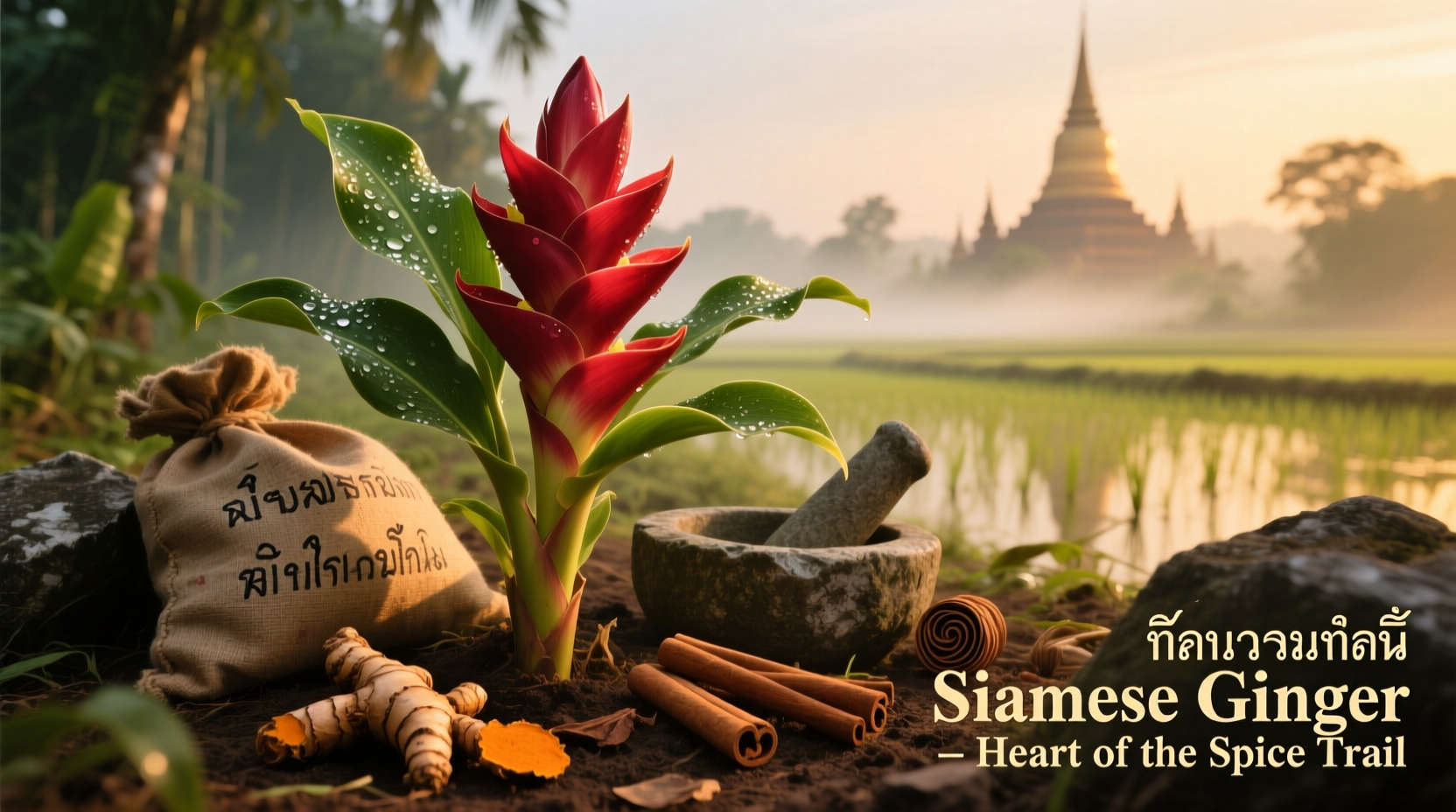
Siamese ginger, botanically known as Boesenbergia rotunda and commonly referred to as fingerroot, Chinese keys, or krachai in Thai, is a tropical rhizome native to Southeast Asia. Despite its name, it is not a true ginger (Zingiber officinale) but belongs to the same Zingiberaceae family, sharing structural and aromatic kinship with ginger, turmeric, and galangal. The plant grows wild and is cultivated across Thailand, Cambodia, Laos, Malaysia, and parts of southern China. Its slender, finger-like projections branching from a central node give rise to both its colloquial names and its scientific designation—“rotunda” referring to the rounded nodes along the rhizome.
In traditional Thai cooking, krachai is indispensable. It appears in curry pastes, stir-fries, soups like tom kha, and marinades for grilled meats such as sai ua (northern Thai sausage). Its use extends beyond flavor; in traditional medicine systems across the region, Siamese ginger has been employed for digestive support, anti-inflammatory properties, and antimicrobial applications. With increasing interest in functional foods and heirloom ingredients, Siamese ginger is gaining attention in Western culinary circles—not merely as an exotic substitute but as a standalone ingredient worthy of dedicated exploration.
Key Characteristics
| Attribute | Description |
|---|---|
| Flavor Profile | Piney, citrusy, mildly peppery with subtle earthiness; less pungent than common ginger, no overt heat. |
| Aroma | Fragrant, reminiscent of mango skin, fresh herbs, and crushed pine needles. |
| Color & Form | Thin, elongated yellowish-tan fingers (1–3 inches long), pale yellow interior when cut. |
| Texture | Crisp when fresh, fibrous when cooked; often julienned or finely minced. |
| Heat Level | Non-pungent; does not produce burning sensation on tongue or palate. |
| Culinary Function | Aromatic base layer, brightening agent, textural component in raw dishes. |
| Shelf Life (Fresh) | 7–10 days refrigerated in sealed container; up to 6 months frozen. |
| Availability | Specialty Asian markets, online retailers, select farmers’ markets in urban centers. |
Practical Usage: How to Use Siamese Ginger in Cooking
Integrating Siamese ginger into daily cooking requires understanding its delicate nature and optimal application points. Because its volatile oils degrade quickly with prolonged heat, it performs best when added late in the cooking process or used raw. In Thai curries, for example, krachai is typically pounded into the paste at the beginning but benefits from a final garnish of thinly sliced fresh rhizome just before serving to preserve fragrance.
For home cooks experimenting with Siamese ginger, start by substituting small amounts in familiar recipes:
- Add julienned krachai to green papaya salad (som tum) for a bright, herbal lift.
- Infuse coconut milk-based soups during the last two minutes of simmering.
- Blend into marinades for chicken or pork skewers alongside lemongrass, garlic, and fish sauce.
- Use raw in ceviche-style seafood dishes where acidity complements its citrus notes.
Professional kitchens leverage Siamese ginger in more refined ways. High-end Thai restaurants in Bangkok and New York often ferment krachai to develop deeper umami complexity, then reintroduce it as a condiment or glaze. Others dehydrate and mill it into fine powders for seasoning blends, preserving aroma through vacuum sealing and cold-processing techniques.
TIP: When working with fresh Siamese ginger, peel lightly using a spoon or vegetable peeler—only remove the outermost layer to avoid wasting usable flesh. Store unused portions wrapped in damp paper towel inside an airtight container in the refrigerator.
Variants & Types
While all forms derive from Boesenbergia rotunda, availability varies significantly depending on geography and market infrastructure. Each form offers distinct advantages based on accessibility and intended use.
| Type | Description | Best Used For |
|---|---|---|
| Fresh Rhizomes | Whole, unprocessed fingers with firm texture and vibrant aroma. | Raw preparations, finishing garnishes, fresh curry pastes. |
| Frozen Krachai | Blanched and flash-frozen; retains ~85% of original flavor. | Stews, soups, and long-cooked dishes where texture is less critical. |
| Dried Slices | Dehydrated pieces, darker in color, concentrated in flavor. | Stocks, broths, spice blends; rehydrate before use for better texture. |
| Ground Powder | Finely milled dried rhizome; shelf-stable but loses top notes over time. | Baking, dry rubs, encapsulated supplements; not ideal for fresh-forward dishes. |
| Extract / Tincture | Alcohol or oil-based infusion capturing essential compounds. | Functional beverages, wellness tonics, precision dosing in formulations. |
The choice between forms depends on immediacy of use, desired intensity, and culinary context. Fresh remains superior for authenticity and aroma, while frozen offers practicality without drastic compromise. Ground versions should be treated cautiously—many commercial products mix krachai with fillers or substitute related species, so sourcing from reputable suppliers is crucial.
Comparison with Similar Ingredients
Due to overlapping botanical families and regional proximity, Siamese ginger is frequently confused with other rhizomatous spices. Clarifying these distinctions ensures proper usage and prevents flavor imbalances.
| Ingredient | Similarities | Differences |
|---|---|---|
| Common Ginger (Zingiber officinale) | Same plant family; used in savory dishes and teas. | Stronger heat, sharper bite, dominant spiciness; lacks citrus-pine notes of krachai. |
| Galangal (Alpinia galanga) | Used in Thai curries and soups; woody texture. | More camphorous, medicinal aroma; harder to slice; less juicy than krachai. |
| Turmeric (Curcuma longa) | Golden hue, anti-inflammatory reputation. | Bitter baseline, earthy depth, strong staining power; minimal aromatic brightness. |
| Lesser Galangal (Alpinia officinarum) | Sometimes called \"Chinese ginger\"; used in stir-fries. | More pungent, resinous, and drying on the palate; shorter storage life. |
\"Misidentifying krachai as regular ginger can throw off the balance of a dish entirely. It's not about heat—it's about lift. Think of it as the high note in a chord rather than the bassline.\" — Chef Nualphan \"Prae\" Lamsam, Bangkok-based culinary anthropologist and restaurateur.
Practical Tips & FAQs
What dishes showcase Siamese ginger best?
Krachai shines in Thai kaeng tai pla (fermented fish curry), gai yang (grilled chicken) marinades, and yam wunsen (glass noodle salad). It also complements seafood dishes, especially those featuring lime, chili, and coconut milk.
Can I substitute common ginger for Siamese ginger?
Only partially, and with caution. Common ginger introduces heat and sharpness absent in krachai. A closer approximation combines a small amount of ginger with lemon zest and a pinch of crushed coriander root, though this remains an imperfect workaround.
How do I know if fresh krachai is still good?
Fresh rhizomes should feel firm, not shriveled or mushy. Avoid any with dark spots, mold, or sour odor. A slight sheen and crisp snap when bent indicate peak freshness.
Is Siamese ginger spicy?
No. Unlike common ginger, which activates TRPV1 receptors responsible for heat sensation, krachai contains different terpenoids (primarily panduratin A and hydroxypanduratin A) that contribute to aroma without pungency.
Are there health benefits associated with krachai?
Studies suggest antimicrobial, anti-inflammatory, and gastroprotective effects. Panduratin A, one of its key bioactive compounds, has demonstrated inhibition of H. pylori bacteria in vitro. However, therapeutic doses require concentrated extracts, not typical culinary amounts.
Can I grow my own Siamese ginger?
Yes, under warm, humid conditions. It thrives in partial shade with well-draining soil. Propagation occurs via rhizome division. Indoor growers in temperate zones can cultivate it in pots near south-facing windows or under grow lights, provided humidity stays above 60%.
STORAGE CHECKLIST:
✅ Wrap in slightly damp cloth
✅ Place in glass container with lid
✅ Refrigerate at 40°F (4°C)
✅ Use within 10 days
✅ Freeze whole or sliced for longer preservation
Broader Context: Siamese Ginger in Global Spice Heritage
The story of Siamese ginger mirrors larger patterns in the evolution of global spice trade. While black pepper, cinnamon, and cloves once drove colonial economies, lesser-known regional spices like krachai represent the next frontier in culinary rediscovery. These ingredients were never truly obscure—only overlooked by dominant Western narratives centered on European palates and mercantile routes.
Today, efforts to preserve spice biodiversity include documenting heirloom cultivars of Boesenbergia rotunda in northern Thailand, where farmers maintain open-pollinated strains passed down for generations. Organizations such as the Thai Royal Project and Slow Food International have begun cataloging these variants, recognizing their genetic and cultural value.
Globally, chefs like David Thompson and Ivan Brehm have spotlighted krachai in fine dining contexts, treating it not as novelty but as a cornerstone of authentic expression. Their work underscores a shift: from appropriation to appreciation, from substitution to specificity.
Summary & Key Takeaways
Siamese ginger—krachai—is far more than a regional curiosity. It embodies the richness of Southeast Asian culinary science, where aroma, texture, and function converge in subtle yet profound ways. Distinguished from common ginger by its citrus-pine fragrance, lack of heat, and structural delicacy, it demands thoughtful handling and respectful application.
Key insights for integrating Siamese ginger into your kitchen repertoire include:
- It is not interchangeable with common ginger due to fundamental differences in flavor chemistry.
- Fresh form delivers optimal aroma; add late in cooking or use raw for maximum impact.
- Available in multiple formats—fresh, frozen, dried, powdered—but quality varies widely.
- Its role extends beyond taste to cultural identity and ecological sustainability.
- Proper storage preserves potency, enabling extended use even outside growing regions.
Call to Action: Seek out fresh krachai at your nearest Southeast Asian market. Try incorporating it into a simple lime-chili fish ceviche or a coconut-based soup. Notice how its presence alters the dish’s aromatic dimension—not overpowering, but elevating. In doing so, you participate in a living tradition of flavor stewardship.




 浙公网安备
33010002000092号
浙公网安备
33010002000092号 浙B2-20120091-4
Comments
No comments yet. Why don't you start the discussion?