
For those who seek more than just heat in their food, chipotle peppers offer a rare convergence of fire, smoke, and depth. Unlike many spicy ingredients that rely solely on capsaicin intensity, chipotles deliver a layered sensory experience—one that transforms salsas, stews, marinades, and even desserts with their distinctive character. Found in cans, dried form, or ground into powder, these smoked jalapeños have become staples in both home kitchens and professional restaurants. Understanding their origin, flavor profile, and culinary applications allows cooks to wield their heat with precision and creativity.
Definition & Overview
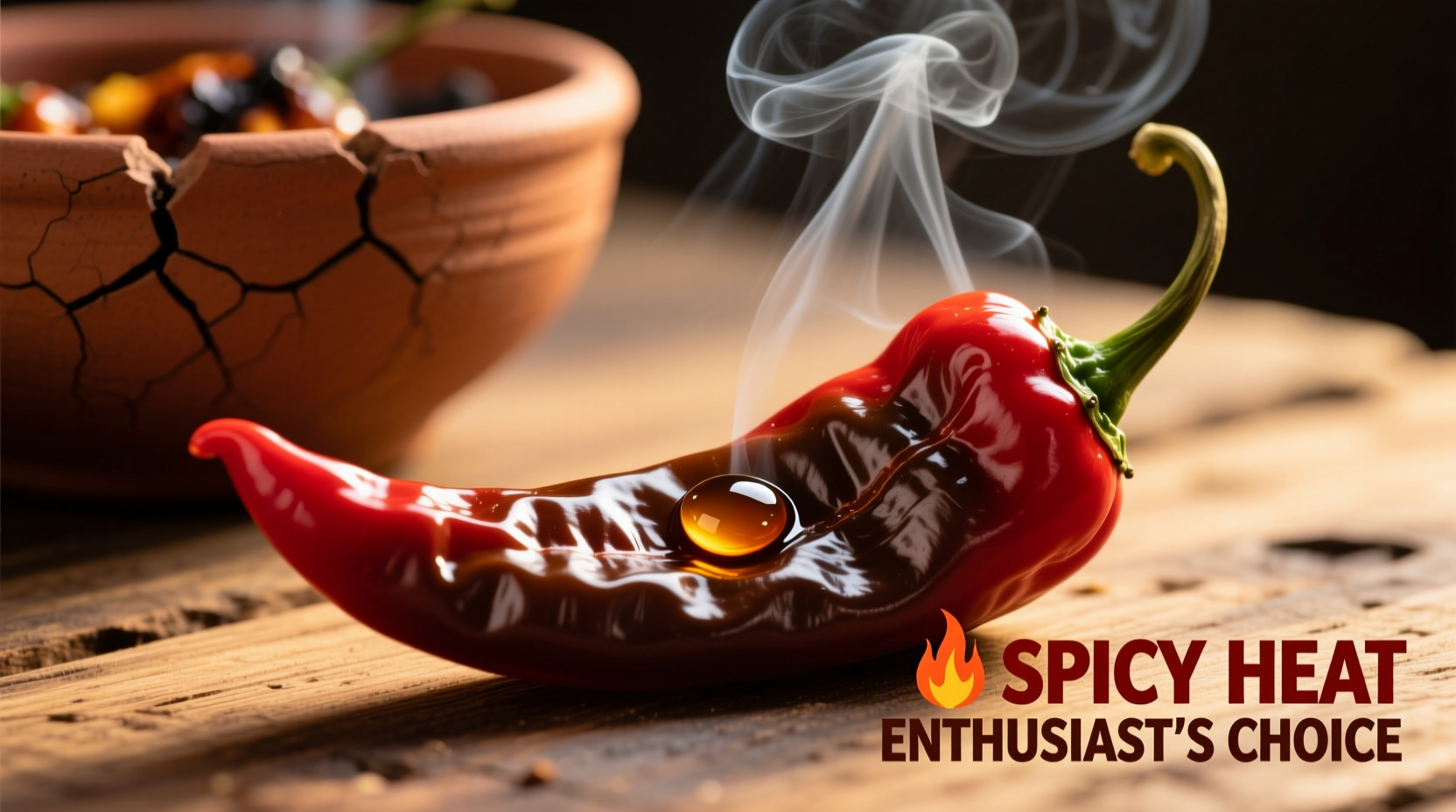
Chipotle peppers are ripe jalapeño chiles that have been smoked and dried. The word “chipotle” comes from the Nahuatl language spoken by the Aztecs: *chil* (chile) + *poctli* (smoked), literally meaning “smoked chili.” This ancient preservation method not only extends shelf life but also imparts a deep, earthy smokiness that raw or fresh jalapeños lack entirely.
While fresh jalapeños are bright and grassy with moderate heat, chipotles undergo a transformation through slow smoking over wood fires—traditionally oak or hickory—for several days. The result is a wrinkled, mahogany-colored pepper with a leathery texture and an intense, complex flavor. Their popularity has grown beyond Mexican cuisine into global gastronomy, where chefs value them for adding umami-rich heat to diverse dishes.
Today, chipotles are most commonly found packed in adobo sauce—a tangy, spiced tomato-based puree—or sold whole/dried in bulk. Both forms bring unique advantages depending on the recipe’s needs.
Key Characteristics
| Attribute | Description |
|---|---|
| Flavor Profile | Smoky, earthy, slightly sweet with a raisin-like depth; balanced by mild acidity in adobo form. |
| Aroma | Pronounced wood smoke, roasted tomatoes (if in adobo), warm spices like cumin and garlic. |
| Color & Form | Dark brown to black, wrinkled whole peppers; or as flakes/powder. In adobo: soft, glossy, submerged in red sauce. |
| Heat Level (Scoville) | 2,500–8,000 SHU – comparable to medium-hot jalapeños, but perceived heat varies due to smokiness masking initial burn. |
| Culinary Function | Adds heat, smokiness, color, and complexity; acts as a natural flavor enhancer in sauces, rubs, braises. |
| Shelf Life | Dried: up to 2 years in airtight container. Canned in adobo: unopened, 2+ years; opened, refrigerate and use within 3 weeks. |
Practical Usage: How to Use Chipotle Peppers in Cooking
The versatility of chipotle peppers lies in their ability to enhance both simple weeknight meals and elaborate dinner party fare. Because of their concentrated flavor, a little goes a long way—especially when using canned versions in adobo, which include additional seasonings.
Using Canned Chipotles in Adobo
This is the most accessible form for home cooks. Each can contains softened chipotle peppers preserved in a rich, tangy adobo sauce made from tomatoes, vinegar, garlic, onions, and spices.
- Marinades: Blend 1–2 chipotles with adobo sauce, lime juice, olive oil, and honey for a bold steak or chicken marinade. Let sit for at least 2 hours before grilling.
- Sauces & Dressings: Purée a pepper with its sauce into mayonnaise for a smoky aioli, or whisk into vinaigrettes for grilled vegetables.
- Stews & Braises: Add one chopped chipotle and a spoonful of adobo to chili, bean soups, or lentil stews for instant depth.
- Eggs & Breakfast: Stir finely minced chipotle into scrambled eggs or fold into breakfast burritos.
Using Dried Whole Chipotles
Dried chipotles require rehydration but offer purer smoke flavor without added seasonings, ideal for controlled seasoning in authentic recipes.
- Remove stems and seeds (to reduce heat).
- Soak in hot water for 20–30 minutes until pliable.
- Drain and blend into sauces, mole bases, or grind into homemade powder.
A classic application is in **barbacoa**, where rehydrated chipotles are blended with onion, garlic, and cumin to create a marinade for slow-cooked beef. The resulting dish carries a haunting smokiness that defines traditional preparations.
TIP: Always wear gloves when handling chipotles—capsaicin oils can irritate skin and eyes. After chopping, wash hands thoroughly and avoid touching your face.
Variants & Types of Chipotle Products
Not all chipotle products are created equal. Understanding the differences ensures you choose the right form for your dish.
1. Chipotle in Adobo (Canned)
The most widely available version in supermarkets. Ideal for quick integration into sauces, dips, and marinades. Brands vary in spice level and sauce thickness—some contain preservatives or excess sugar.
2. Whole Dried Chipotles
Pure smoked jalapeños without additives. Best for making custom blends, powders, or regional Mexican dishes requiring precise control over seasoning. Often labeled as \"Morita\" or \"Meco\"—see comparison below.
3. Chipotle Powder
Ground dried chipotles. Convenient for dry rubs, spice mixes (like taco seasoning), or dusting over popcorn. Check labels: some commercial blends mix it with salt, paprika, or anti-caking agents.
4. Chipotle Flakes / Crushed
Coarsely broken pieces. Useful for garnishing or adding texture to relishes and pickles.
5. Liquid Smoke Alternatives (Not True Substitutes)
Some brands sell “chipotle-flavored” liquids or concentrates. These lack authenticity and often taste artificial. Use sparingly, if at all.
| Type | Best For | Storage | Shelf Life |
|---|---|---|---|
| Canned in Adobo | Quick sauces, marinades, dips | Refrigerate after opening | 3 weeks open, 2+ years sealed |
| Whole Dried | Moles, salsas, homemade powders | Airtight, cool, dark place | Up to 2 years |
| Powder | Dry rubs, spice blends, soups | Airtight container away from light | 1 year peak potency |
| Flakes | Garnishes, textured condiments | Same as powder | 1 year |
Comparison with Similar Ingredients
Chipotles are often confused with other smoked or spicy chiles. Knowing the distinctions prevents missteps in cooking.
| Ingredient | How It Differs from Chipotle | When to Use Instead |
|---|---|---|
| Smoked Paprika | Made from smoked bell peppers or mild chiles; lacks heat. Provides color and smoke without spice. | For color and subtle smoke in paella or deviled eggs—when heat isn’t desired. |
| Habanero in Adobo | Far hotter (100,000–350,000 SHU); fruity, citrusy notes vs. smoky earthiness. | When extreme heat and tropical fruit flavor are needed—e.g., Caribbean jerk sauces. |
| Guajillo Chile | Dried, non-smoked; moderate heat with berry-tomato flavor. No smokiness. | In salsas rojas or tamales where brightness is key, not smoke. |
| Pepperoncini in Sauce | Mild, vinegary, no heat or smoke. Entirely different category. | For antipasto platters—not interchangeable. |
| Frank's RedHot or Sriracha | Vinegar-forward hot sauces; inconsistent heat source. | As table condiments, not for building foundational flavor. |
\"The magic of chipotle isn't just in the heat—it's in the memory it evokes. That scent of woodsmoke clinging to the flesh of the pepper connects us to centuries of preservation techniques, turning perishable chiles into lasting flavor.\" — Chef Elena Ruiz, Oaxacan Culinary Institute
Practical Tips & FAQs
How hot are chipotle peppers really?
On the Scoville scale, chipotles range from 2,500 to 8,000 units—similar to fresh jalapeños. However, because the smoking process mellows initial sharpness and adds sweetness, the heat unfolds slowly. Many find them more approachable than expected, especially when balanced with fat or acid.
Can I make my own chipotle powder?
Yes. Rehydrate dried chipotles, pat dry, then dehydrate again in an oven at 170°F (75°C) for 6–8 hours until brittle. Grind in a spice mill or mortar and pestle. Sift for fine powder. Store in a glass jar.
Are Morita and Meco chipotles the same?
No. While both are smoked jalapeños, they differ in processing:
- Morita: Smaller, darker, moister. Typically sold in adobo. More common in U.S. markets. Slightly fruitier, less intense smoke.
- Meco (or Chimayo): Larger, fully dried, lighter brown. Less oily, more fibrous. Used in traditional moles. Offers cleaner smoke flavor.
Meco is better for grinding or long simmers; Morita excels in quick applications where tenderness matters.
What dishes showcase chipotle best?
Chipotle shines in recipes that allow its smoke to permeate the dish:
- Chicken Tinga Tacos: Shredded chicken simmered in a sauce of chipotle, adobo, onions, and tomatoes.
- Smoked Queso Dip: Melted cheese blended with cream, roasted peppers, and minced chipotle.
- Chipotle Maple Glazed Salmon: A balance of sweet maple syrup and spicy smoke complements fatty fish.
- Chocolate-Chipotle Mole: Dark chocolate, toasted nuts, and multiple chiles—including chipotle—create a complex sauce over poultry.
- Black Bean Soup: One chopped chipotle boosts earthiness and warmth without overpowering beans.
How should I store leftover chipotles?
If using only one or two from a can, transfer the remainder—peppers and sauce—into a clean glass jar. Seal tightly and refrigerate. They will keep for up to three weeks. For longer storage, freeze individual portions in ice cube trays: fill each well with one pepper plus sauce, freeze solid, then transfer cubes to a zip-top bag. Use directly from frozen in soups or sauces.
What are good substitutes if I don’t have chipotle?
True substitution is difficult due to the unique smoke-heat balance, but these options work situationally:
- Smoked Paprika + Cayenne: Mix 1 tsp smoked paprika with ¼ tsp cayenne per pepper called for. Adds smoke and heat, though lacks body.
- Homemade Liquid Smoke Infusion: Simmer ½ tsp liquid smoke with tomato paste, garlic, and vinegar for 5 minutes. Use 1 tbsp per recipe. Not ideal, but functional in a pinch.
- Dried Pasilla de Oaxaca: A smoked chile with similar color and mild heat, though less sweet. Available in specialty Latin markets.
PRO TIP: When doubling a recipe that calls for chipotles, do not automatically double the amount. Taste incrementally—the smoke compounds intensify disproportionately, potentially overwhelming the dish.
Summary & Key Takeaways
Chipotle peppers are far more than a source of heat—they are a conduit of flavor history, linking modern kitchens to ancestral preservation methods. Their smoky, earthy depth enhances everything from weekday tacos to gourmet entrées, offering a complexity unmatched by most spicy ingredients.
To master their use:
- Understand the difference between canned (adobo) and dried forms—and choose based on your need for convenience versus control.
- Respect their potency: start small, taste often, and build gradually.
- Leverage their synergy with fat (cheese, avocado, meat), sweetness (maple, fruit), and acidity (lime, vinegar) to balance intensity.
- Store properly to preserve quality, and consider freezing extras for future use.
- Experiment beyond savory dishes—chipotle pairs surprisingly well with dark chocolate, mango, and bourbon.
For heat enthusiasts, the journey isn’t about chasing pain—it’s about discovering dimension. Chipotle peppers invite exploration, rewarding those who treat them not as mere spice, but as a cornerstone of flavor architecture.
Try this tonight: Finely chop one chipotle in adobo and stir into a bowl of guacamole. Add a squeeze of lime and a pinch of cumin. Taste the transformation—from creamy and fresh to deeply resonant and unforgettable.




 浙公网安备
33010002000092号
浙公网安备
33010002000092号 浙B2-20120091-4
Comments
No comments yet. Why don't you start the discussion?