
Walk into any home decor store or scroll through lifestyle influencers’ shelves, and you’ll see them: woven wicker baskets and soft fabric bins, neatly holding everything from toys to towels. They look effortlessly stylish—natural textures, neutral tones, and that curated “lived-in but organized” vibe. But behind the aesthetic appeal lies a practical question: Are these trendy storage solutions actually functional in real homes? Or do they crumble under daily use?
The answer isn’t straightforward. Both fabric bins and wicker baskets have strengths and weaknesses that depend on your space, lifestyle, and what you’re storing. To determine which option truly delivers long-term value, we need to examine not just how they look, but how they perform.
Durability: How Long Do They Really Last?
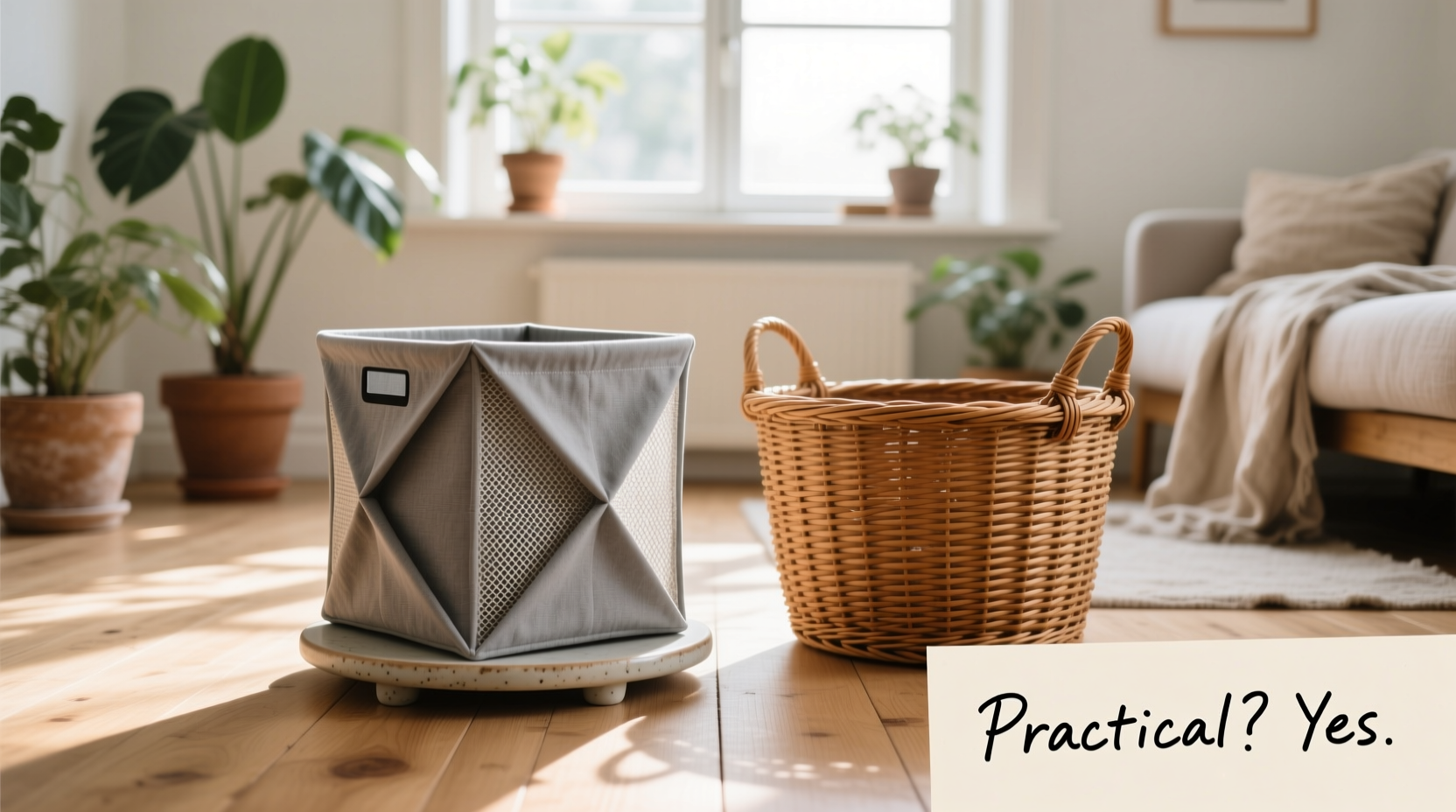
Durability is often the first casualty of trend-driven design. Wicker baskets, typically made from rattan, seagrass, or willow, offer a rustic charm but can be surprisingly fragile. Over time, exposure to humidity causes natural fibers to warp or crack. In high-traffic areas like kids’ rooms or entryways, constant handling leads to fraying edges and broken weaves. A basket that looks perfect on day one might sag or splinter within months if used heavily.
Fabric bins, usually crafted from canvas, cotton, or polyester blends, fare better in terms of flexibility and resilience. Most are machine-washable and can withstand repeated loading and unloading without structural damage. However, lower-quality fabrics may pill, stretch, or lose shape after frequent use. Thicker materials like duck canvas or reinforced linen hold up best, especially when supported by internal frames or stiffened rims.
Maintenance & Cleaning: What Happens When Life Gets Messy?
Real homes get messy. Whether it’s spilled crayons, muddy shoes, or pet hair, storage containers eventually face spills, stains, and odors. This is where fabric bins shine. Most can be tossed in the washing machine (check labels), making cleanup quick and thorough. Even spot-cleaning with mild soap and water works well for minor messes.
Wicker baskets, on the other hand, are notoriously difficult to clean. You can’t submerge them in water without risking mold or warping. Dusting helps, but sticky spills or pet accidents require careful wiping with a barely damp cloth—followed by immediate drying to prevent moisture damage. Over time, accumulated grime settles into crevices, dulling appearance and creating hygiene concerns.
“Natural fiber baskets are beautiful, but they demand dry environments and gentle care. In humid bathrooms or kids’ zones, they’re often impractical.” — Lena Patel, Interior Organizer & Sustainable Home Consultant
Storage Performance: Functionality Beyond Looks
A container’s primary job is to protect and organize contents—not just look good doing it. Here’s how each type performs across common use cases:
- Kids’ toy storage: Fabric bins win. Lightweight, safe (no sharp edges), and washable, they handle chaos well.
- Bathroom organization: Avoid wicker. Humidity breaks down natural fibers. Opt for waterproof-lined fabric bins instead.
- Laundry sorting: Fabric bins with removable liners are ideal. Wicker traps odors and resists cleaning.
- Living room media storage: Wicker can work here—low moisture, light use—but only if kept dust-free.
- Pantry organization: Neither is ideal unless lined. Exposed food particles attract pests. Use fabric bins inside cabinets only if sealed in food-safe liners.
Comparison Table: Fabric Bins vs Wicker Baskets
| Feature | Fabric Bins | Wicker Baskets |
|---|---|---|
| Durability (High Use) | Good to Excellent (depends on material) | Fair to Poor (prone to cracking) |
| Water Resistance | Moderate (some have coatings) | Poor (absorbs moisture) |
| Cleanability | Excellent (machine washable) | Poor (spot clean only) |
| Weight & Portability | Lightweight | Heavier, less flexible |
| Aesthetic Versatility | Wide range of colors/patterns | Limited to natural tones |
| Eco-Friendliness | Varies (organic cotton = high) | High (biodegradable, renewable) |
| Cost (Average) | $10–$25 | $15–$40+ |
Real-Life Scenario: The Playroom Test
Sarah, a mother of two toddlers in Portland, replaced her Instagram-worthy wicker toy baskets with canvas bins after six months of frustration. “I loved how the wicker looked next to the bookshelf,” she said. “But within weeks, my son pulled one over, cracked the rim, and now it won’t sit flat. Plus, juice spills soaked into the weave. I switched to labeled fabric bins—they’re easier for the kids to open, lighter to move, and I can toss them in the wash when they get dirty.”
Her experience reflects a broader pattern: visually appealing storage often fails under real-world demands. Once function takes priority, many households quietly replace wicker with more forgiving alternatives.
When Wicker Makes Sense (And When It Doesn’t)
That doesn’t mean wicker has no place in the home. In low-traffic, dry environments—like a guest bedroom closet or a minimalist living room shelf—wicker adds warmth and texture. It excels as decorative storage for items rarely accessed: seasonal scarves, extra pillows, or archival documents.
But avoid placing wicker in:
- Bathrooms or laundry rooms (humidity)
- Basements or garages (moisture risk)
- Kids’ rooms or pet areas (rough handling)
- Outdoor spaces unless specifically rated for weather resistance
Choosing the Right Option: A Practical Checklist
Before buying, ask yourself these questions:
- What am I storing? Heavy books? Delicate linens? Spill-prone items?
- Who will access it? Toddlers? Pets? Guests?
- Where is it going? Humid bathroom? Sunny living room? Dusty basement?
- How often will it be moved? Daily use requires durability.
- Can I clean it easily? Prioritize washability if messes are likely.
- Do I love it enough to maintain it? Wicker needs regular dusting and dry conditions.
Frequently Asked Questions
Can I use wicker baskets in the bathroom?
Not recommended. Bathrooms generate steam and moisture, which cause wicker to swell, discolor, and eventually break down. Choose plastic, metal, or fabric bins with moisture-resistant lining instead.
Are fabric bins sturdy enough for heavy items?
Yes, if they’re made from thick canvas or include internal support. Look for bins with cardboard or plastic inserts at the base and sides. Avoid flimsy, floppy models for books or canned goods.
How do I keep fabric bins from slumping?
Use bins with reinforced edges or insert a removable tray or box inside. Some brands sell collapsible fabric bins with built-in frames—ideal for maintaining shape while keeping portability.
Final Verdict: Style vs. Substance
Fabric bins outperform wicker baskets in nearly every practical category: durability, ease of cleaning, adaptability, and cost-effectiveness. While wicker wins points for natural beauty and eco-conscious sourcing, its limitations make it a poor choice for active households or functional storage needs.
The most effective storage solutions blend form and function. That means choosing fabric bins for everyday use—and reserving wicker for decorative, low-maintenance roles. If you must have the wicker look, consider modern composites that mimic the texture but resist moisture, or pair real wicker with removable fabric liners for easier upkeep.
Ultimately, practicality shouldn’t come at the expense of style—but neither should aesthetics override usability. Thoughtful choices today lead to clutter-free, stress-free spaces tomorrow.




 浙公网安备
33010002000092号
浙公网安备
33010002000092号 浙B2-20120091-4
Comments
No comments yet. Why don't you start the discussion?