
Keychains may seem like small accessories, but they carry personal meaning, brand identity, or serve as promotional tools. When choosing between fabric and acrylic keychains, the decision isn’t just about aesthetics—it’s about longevity, function, and value. While fabric keychains offer softness and texture, acrylic options deliver clarity, durability, and modern appeal. But are acrylic keychains truly worth the investment over their fabric counterparts? Let’s break down the materials, performance, and practical considerations to help you make an informed choice.
Differences Between Fabric and Acrylic Keychains
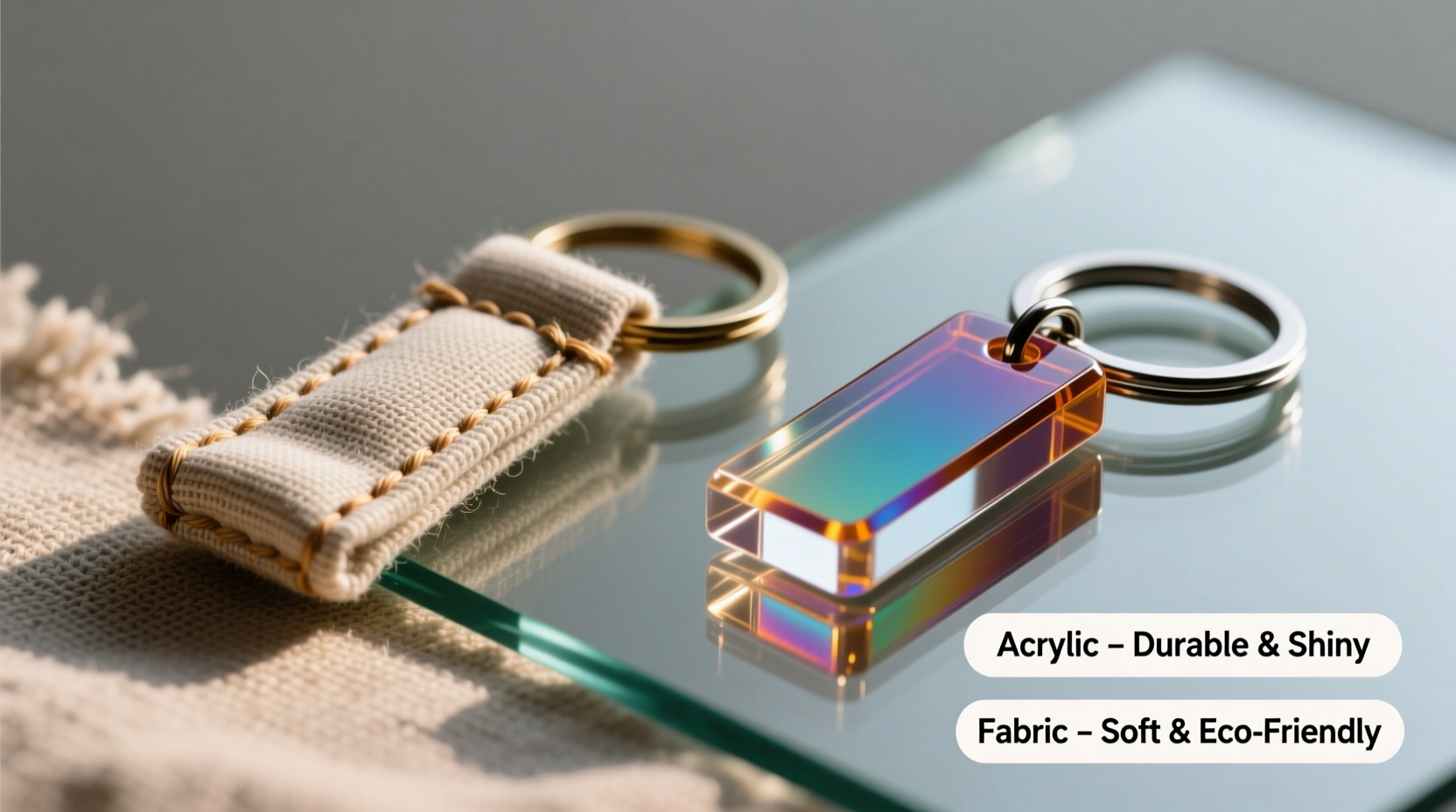
Fabric and acrylic keychains cater to different preferences and purposes. Understanding their core differences is essential before deciding which suits your needs.
- Fabric keychains are typically made from woven textiles like cotton, polyester, or felt. They often feature embroidered or printed designs and have a soft, tactile feel. These are commonly used for sentimental gifts, event souvenirs, or minimalist fashion accessories.
- Acrylic keychains, on the other hand, are crafted from transparent or colored plastic (polymethyl methacrylate). They’re laser-cut or die-cut into various shapes, often layered with printed inserts or engraved details. Their glossy finish and sharp visuals make them popular in branding, retail, and high-end gifting.
The fundamental contrast lies in material behavior: fabric absorbs touch and emotion; acrylic reflects precision and resilience. One feels handmade, the other engineered.
Material Properties Compared
| Feature | Fabric Keychains | Acrylic Keychains |
|---|---|---|
| Durability | Moderate – prone to fraying, fading, and moisture damage | High – resistant to scratches, water, and UV exposure |
| Customization | Limited to embroidery or printing; less detail precision | High – supports full-color prints, engraving, multi-layer designs |
| Cost (per unit, bulk) | $0.50–$2.00 | $1.50–$4.00 |
| Lifespan | 6 months to 2 years, depending on care | 3+ years with minimal wear |
| Eco-Friendliness | Better biodegradability (if natural fibers); higher wash impact | Non-biodegradable but recyclable in some facilities |
When Acrylic Keychains Outperform Fabric
Acrylic shines in scenarios where clarity, consistency, and long-term visibility matter. Consider these situations where acrylic clearly wins:
- Promotional giveaways: Brands distributing keychains at trade shows benefit from acrylic’s ability to display logos crisply and resist wear in pockets or bags.
- Luxury gifting: Acrylic offers a sleek, modern look that aligns with premium packaging and unboxing experiences.
- Weather-exposed use: Unlike fabric, acrylic won’t degrade when exposed to rain, sweat, or sunlight—ideal for travelers or outdoor workers.
- Detailed artwork: If your design includes fine lines, gradients, or photography, acrylic preserves detail far better than thread-based embroidery.
“Acrylic keychains maintain brand integrity over time. A faded logo on fabric undermines professionalism, but acrylic keeps messaging sharp.” — Lena Torres, Brand Identity Consultant
A Real-World Example: Music Festival Merchandise
A mid-sized music festival previously used fabric keychains as attendee swag. Within six months, social media posts showed many had frayed edges, faded colors, or were discarded due to dirt buildup. The following year, they switched to acrylic versions featuring the festival’s lineup art embedded inside clear layers. Attendees reported keeping them longer, and resale value among collectors increased by 40%. The initial cost was higher, but customer retention and perceived quality improved significantly.
The Case for Fabric: Where Softness Matters
Despite acrylic’s advantages, fabric retains emotional and sensory appeal that plastic cannot replicate. It excels in contexts where warmth, comfort, and craftsmanship are prioritized.
Families giving memorial keychains after a loved one’s passing often choose fabric for its gentle texture and symbolic softness. Craft markets favor fabric pieces because they support local artisans using traditional techniques like hand-stitching or natural dyeing.
Additionally, fabric allows for creative textures—velvet, suede, or quilted patterns—that add dimension beyond what flat acrylic can achieve. For niche audiences valuing sustainability and tactile experience, fabric remains relevant.
Step-by-Step: Choosing the Right Keychain for Your Purpose
Follow this decision-making process to determine whether fabric or acrylic is right for your project:
- Define the purpose: Is it promotional, sentimental, functional, or decorative?
- Assess usage environment: Will it be exposed to moisture, friction, or sun? Choose acrylic for harsh conditions.
- Evaluate design complexity: High-detail graphics favor acrylic; simple text or symbols work on fabric.
- Set a budget: Acrylic has a higher upfront cost, but lower replacement frequency may save money long-term.
- Consider audience values: Eco-focused groups may prefer fabric; tech-savvy or corporate clients may appreciate acrylic’s polish.
- Order samples: Test both materials side by side under real-use conditions before mass production.
Long-Term Value: Are Acrylic Keychains Worth It?
The answer depends on how you define “worth.” If your goal is short-term affordability and craft charm, fabric may suffice. But if you prioritize lasting impressions, brand consistency, and reduced replacement costs, acrylic delivers superior ROI.
While a single acrylic keychain might cost three times more than a fabric one, its lifespan can be double or triple as long. Over two years, replacing fabric keychains annually adds hidden labor, shipping, and waste costs. Acrylic avoids this cycle.
Moreover, acrylic’s reflective surface enhances visibility. In marketing terms, every glance at a shiny, intact logo reinforces brand recall. Faded or tattered fabric does the opposite.
Checklist: Is an Acrylic Keychain Right for You?
- ☑ Need high-resolution image reproduction
- ☑ Distributing in humid or outdoor environments
- ☑ Target audience values modern, clean aesthetics
- ☑ Planning long-term campaigns or repeat distribution
- ☑ Willing to invest slightly more per unit for durability
Frequently Asked Questions
Can acrylic keychains break easily?
Acrylic is rigid and can crack under extreme pressure or sharp impacts, but it’s highly resistant to everyday wear. Proper thickness (2–3mm) reduces breakage risk significantly.
Are fabric keychains recyclable?
It depends on the blend. Natural fibers like cotton are biodegradable, but mixed synthetics complicate recycling. Check local facilities for textile waste programs.
How do I clean acrylic keychains?
Wipe with a microfiber cloth and mild soapy water. Avoid abrasive cleaners or soaking, which can dull the surface over time.
Final Verdict: Quality Over Compromise
Acrylic keychains aren’t automatically “better” than fabric—they’re better suited for specific goals. If you’re building a professional brand, distributing at scale, or creating keepsakes meant to endure, acrylic proves its worth through resilience, visual fidelity, and user retention. Fabric still holds space in heartfelt, artisanal, or eco-driven niches, but it comes with maintenance trade-offs.
The real question isn’t just cost per unit—it’s cost per impression. How many times will someone see, touch, or remember your keychain before discarding it? Acrylic extends that window dramatically.




 浙公网安备
33010002000092号
浙公网安备
33010002000092号 浙B2-20120091-4
Comments
No comments yet. Why don't you start the discussion?