
Choosing the right collar for your cat isn’t just about style—it’s a decision that affects their comfort, safety, and long-term well-being. With so many options on the market, two materials consistently rise to the top: fabric and leather. While both have loyal followings, pet owners often wonder: does the material actually make a difference? The answer is yes—but not always in the ways you might expect.
The right collar should be secure without being restrictive, durable without sacrificing comfort, and safe above all else. Whether your cat lounges indoors or ventures into the backyard, understanding the practical differences between fabric and leather collars helps you make an informed choice based on real-world performance, not marketing claims.
Comfort and Fit: How Material Affects Your Cat’s Daily Wear
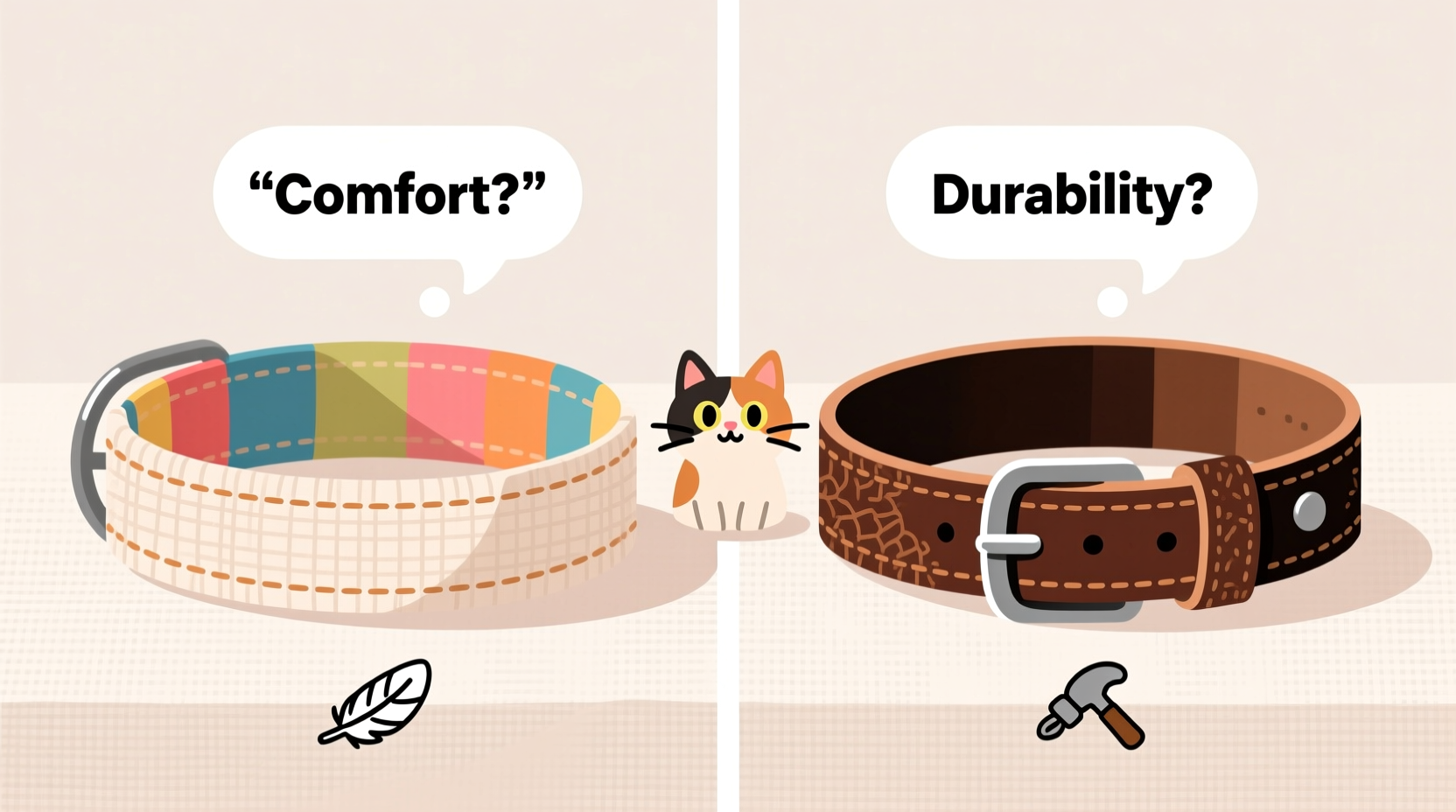
Cats are sensitive creatures, and even minor discomfort from a poorly chosen collar can lead to behavioral changes, such as pawing at the neck or avoiding interaction. Comfort hinges on weight, flexibility, and breathability—factors directly influenced by material.
Fabric collars, typically made from nylon or polyester blends, are lightweight and soft against the skin. They stretch slightly and conform well to a cat’s neck, reducing friction during movement. Many feature padded linings or moisture-wicking properties, making them ideal for cats with sensitive skin or those prone to overheating.
Leather, while naturally supple when high quality, tends to be heavier and less breathable. It doesn’t absorb moisture, which means sweat (yes, cats do sweat through their paws and can feel heat around the neck) may accumulate under the collar in warm conditions. However, premium leather molds to the shape of the neck over time, offering a custom-like fit after a break-in period.
Safety First: Breakaway Features and Real-World Risks
No collar—regardless of material—is safe unless it includes a breakaway clasp. This critical feature releases under sudden pressure, allowing your cat to escape if the collar snags on furniture, branches, or fences. Without it, even the most comfortable collar becomes a potential hazard.
Fabric collars are almost universally designed with breakaway buckles because the material itself is easy to integrate with quick-release mechanisms. Most reputable brands embed this safety feature as standard. Leather collars, especially handmade or fashion-focused ones, sometimes lack breakaway clasps, prioritizing aesthetics over function. Always verify that any leather collar has a proper safety buckle before use.
“Breakaway collars reduce entanglement injuries by up to 70% in active cats.” — Dr. Lena Patel, Feline Veterinarian & Pet Safety Advocate
Durability and Maintenance: Which Lasts Longer?
Durability matters—not just for cost-effectiveness but for ongoing safety. A worn-out collar can fray, weaken at stress points, or lose its buckle integrity, increasing the chance of failure when it’s needed most.
Nylon-based fabric collars resist tearing and are highly resistant to UV degradation. They’re also machine washable or easily wiped down, helping maintain hygiene. However, prolonged exposure to moisture (like rain or drool) can lead to mildew if not dried properly.
Leather excels in tensile strength and resists fraying, but it requires more maintenance. Exposure to water causes stiffness or cracking, and oils from a cat’s skin can degrade lower-quality leather over time. Conditioning every few months extends lifespan, but few owners remember this step.
| Feature | Fabric Collar | Leather Collar |
|---|---|---|
| Weight | Lightweight | Moderate to heavy |
| Breathability | High | Low to moderate |
| Breakaway Standard | Yes, nearly universal | Often missing; must verify |
| Water Resistance | Good (dries quickly) | Poor (absorbs moisture) |
| Lifespan (with care) | 1–3 years | 2–5 years |
| Maintenance | Low (wipe or wash) | Moderate (cleaning + conditioning) |
Real-World Example: Luna the Explorer Cat
Luna, a 3-year-old tabby living in suburban Oregon, spends her days exploring the garden and climbing low trees. Her owner initially chose a stylish brown leather collar for its sleek look and assumed durability. Within six weeks, the leather stiffened after several rainy encounters, and the buckle showed signs of wear from frequent brushing against bark.
After switching to a reflective nylon breakaway collar, Luna stopped scratching at her neck. The new collar survived daily outdoor activity, was easy to clean, and remained flexible despite damp mornings. Though less “premium” in appearance, it proved far more functional for her lifestyle—a reminder that suitability trumps aesthetics.
Step-by-Step Guide: Choosing the Right Collar for Your Cat
Selecting the best collar involves more than material preference. Follow this process to ensure safety, comfort, and longevity:
- Assess your cat’s lifestyle: Indoor-only cats need lighter collars; outdoor or semi-outdoor cats require durable, visible, and escape-proof designs.
- Check for a breakaway clasp: Never compromise on this. Test it gently by pulling—if it doesn’t release easily, it’s not safe.
- Evaluate adjustability: Look for multiple sizing holes to accommodate growth or weight changes.
- Test the texture: Run the inside of the collar across your wrist. If it feels rough, it may irritate your cat’s skin.
- Consider visibility: For outdoor cats, choose collars with reflective strips or bright colors, especially if they roam at dawn or dusk.
- Add ID securely: Use a small tag with your phone number. Attach it with a split ring or silicone holder to prevent jingling or snagging.
- Monitor for reactions: Watch for redness, hair loss, or excessive scratching during the first week of wear.
Expert Insight: What Vets and Behaviorists Recommend
While personal preference plays a role, veterinary professionals emphasize function over fashion. The American Association of Feline Practitioners (AAFP) recommends collars only if they include breakaway features and are paired with permanent identification like microchipping.
“The safest collar is one that disappears when it needs to. I’ve treated cats with dislocated limbs from non-breakaway collars. Material matters less than mechanics.” — Dr. Marcus Tran, Emergency Feline Veterinarian
Behaviorists add that noise and sensation influence acceptance. Cats may reject collars that squeak, rub, or feel constricting. Leather, though quiet, can feel rigid at first. Fabric, especially softer weaves, tends to be accepted faster by skittish cats.
FAQ: Common Questions About Cat Collar Materials
Can cats be allergic to leather or fabric collars?
True allergies are rare, but sensitivities occur. Dyes, chemical treatments, or synthetic lining materials may cause irritation. Opt for hypoallergenic, dye-free options if your cat shows signs of rash or itching.
Is real leather better than synthetic for cat collars?
Not necessarily. Genuine leather is durable but absorbs moisture and degrades if wet. High-quality synthetics offer similar strength, better water resistance, and are often more affordable and ethical. Vegan leather alternatives have improved significantly in resilience and comfort.
How often should I replace my cat’s collar?
Inspect monthly for wear. Replace fabric collars every 12–18 months, or sooner if fraying occurs. Leather can last longer (2–3 years) with proper care, but discard it if it becomes stiff, cracked, or the buckle weakens.
Final Thoughts: Prioritize Safety, Then Suitability
The debate between fabric and leather comes down to context. For most cats—especially indoor or adventurous ones—fabric collars win on safety, breathability, and ease of maintenance. Leather has its place, particularly for short-term use, show purposes, or cats with no outdoor access, provided it includes a breakaway mechanism.
Ultimately, the material matters less than how well the collar performs in protecting your cat. A $5 nylon collar with a reliable breakaway clasp is infinitely safer than a $30 leather one without. Combine your choice with a microchip and legible ID tag, and you’ve maximized your pet’s chances of a safe return if they ever wander too far.




 浙公网安备
33010002000092号
浙公网安备
33010002000092号 浙B2-20120091-4
Comments
No comments yet. Why don't you start the discussion?