
In recent years, facial rollers have become staples in skincare routines across the globe. Once considered niche tools rooted in traditional Chinese medicine, they now sit proudly on vanities from Seoul to Stockholm. Among the most popular materials are natural jade and rose quartz—each praised for its unique aesthetic and purported benefits. But beyond beauty marketing and Instagram aesthetics, does the material actually matter? Is there a tangible difference between using a jade roller versus a quartz one, or is it all just polished stone mystique?
The answer lies at the intersection of tradition, mineral properties, temperature retention, and personal skincare goals. While both materials offer similar mechanical benefits—like lymphatic drainage and reduced puffiness—their physical characteristics and energetic claims diverge in ways that may influence your choice.
Understanding the Origins and Traditions
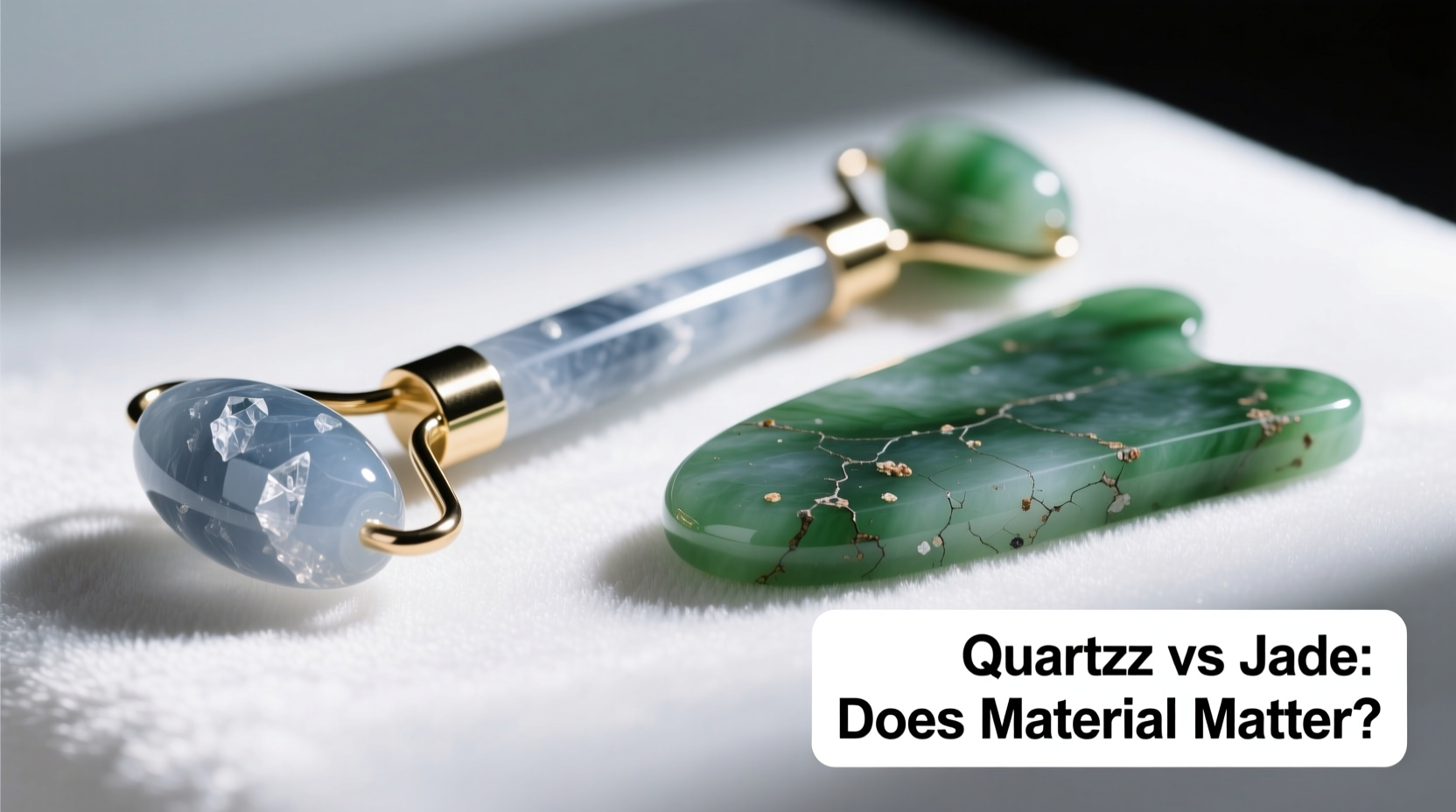
Jade has been revered for thousands of years, particularly in East Asian cultures, where it symbolizes purity, harmony, and longevity. In traditional Chinese medicine (TCM), jade is believed to balance energy and promote healing. Facial rolling with jade dates back to the Ming Dynasty, where emperors and royalty used carved jade tools to maintain youthful complexions and improve circulation.
Rose quartz, on the other hand, is often associated with love and emotional healing. Though not as historically entrenched in skincare rituals as jade, rose quartz has gained popularity in modern crystal healing practices. Its soft pink hue and cool touch make it a favorite among those who value both function and emotional wellness in their beauty routines.
While these cultural and spiritual associations don’t directly impact skin physiology, they contribute to the ritualistic experience of facial rolling—a factor that shouldn’t be underestimated in self-care practices.
“Skincare isn’t just about what you apply—it’s also about how you feel during the process. The weight, texture, and even symbolism of a tool like a facial roller can enhance mindfulness and consistency.” — Dr. Lena Park, Dermatologist & Cosmetic Scientist
Physical Properties: Thermal Conductivity and Density
One of the most practical differences between jade and rose quartz lies in their thermal conductivity—how well they absorb and retain cold or ambient temperatures. This matters because many users prefer to chill their rollers before use to reduce inflammation and constrict blood vessels, which helps minimize puffiness.
Jade (specifically nephrite or jadeite) tends to stay cooler longer than rose quartz when refrigerated. It has higher thermal mass and better heat retention, meaning it delivers a more intense cooling sensation upon contact with the skin. For individuals dealing with morning puffiness or sensitive, reactive skin, this extended coolness can be beneficial.
Rose quartz, while still cool to the touch, warms up more quickly against the skin. This might be preferable for those who find extreme cold uncomfortable or who use their rollers at room temperature. However, if cooling is a priority, rose quartz may require more frequent chilling to maintain its effect during a routine.
Material Comparison: Key Differences at a Glance
| Feature | Jade Roller | Rose Quartz Roller |
|---|---|---|
| Mineral Type | Nephrite or Jadeite | Quartz (Silicon Dioxide) |
| Color | Green (varies from pale to deep) | Pink to rosy red |
| Thermal Retention | High – stays cool longer | Moderate – warms faster on skin |
| Density/Hardness | 6–7 on Mohs scale | 7 on Mohs scale |
| Energetic Claim | Balancing, protective, detoxifying | Loving, calming, heart-opening |
| Skin Feel | Smoother glide, cooler sensation | Slightly warmer, gentler pressure |
| Price Range (Typical) | $25–$60 | $30–$70+ |
Note: While rose quartz is slightly harder, both materials are durable enough for daily facial use when properly cared for. Neither should be used with excessive pressure, as microfractures can develop over time.
Does the Material Affect Skincare Results?
From a dermatological standpoint, the primary benefits of facial rolling come from the physical action—not the stone itself. These include:
- Improved lymphatic drainage, reducing under-eye puffiness and facial swelling
- Increased blood circulation, promoting a healthy glow
- Enhanced absorption of serums and oils when used in conjunction with them
- Temporary muscle relaxation, potentially reducing tension-related fine lines
No clinical studies prove that one stone outperforms another in these areas. However, subtle differences in shape, weight, and temperature can influence user experience and adherence to a routine. For example, someone who enjoys a strong cooling sensation may stick with jade due to its superior chill retention, thus benefiting more from consistent use.
Additionally, some high-end brands craft rollers with ergonomics in mind—ensuring smooth contours that follow facial anatomy. In such cases, craftsmanship often outweighs the raw material in effectiveness.
It's also worth noting that synthetic or low-grade \"jade\" and \"quartz\" exist in the market. Real, natural stones are typically uneven in color and may have slight veining or translucency. Mass-produced rollers made from glass or resin mimic the look but lack the density and authenticity of genuine minerals.
Step-by-Step Guide: Maximizing Your Facial Rolling Routine
Regardless of material, technique plays a crucial role in achieving results. Follow this effective routine to get the most out of your jade or quartz roller:
- Cleanse your face – Start with a clean canvas to prevent pushing dirt into pores.
- Apply a serum or facial oil – Use a slippery medium to allow smooth gliding without tugging skin.
- Chill the roller (optional but recommended) – Refrigerate for 15–20 minutes for added de-puffing power.
- Begin with the neck – Use upward strokes from collarbone to jawline to encourage lymph flow.
- Move to the jaw and chin – Roll outward along the jawline to reduce tightness and define contours.
- Tackle cheeks and nose – Use the smaller end for precision around the nostrils and under-eye area.
- Finish with the forehead – Roll upward and outward from the center to smooth expression lines.
- Repeat each section 3–5 times – Gentle pressure only; never press hard enough to cause redness.
- Clean the roller after use – Wipe with a damp cloth and mild soap, then dry thoroughly.
For best results, incorporate rolling into your routine 3–5 times per week. Consistency matters more than duration—even two minutes daily can yield visible improvements over time.
Real Example: A Week of Switching Materials
Sophie, a 34-year-old esthetician in Vancouver, decided to conduct her own informal experiment. She used a jade roller every morning for one week, then switched to a rose quartz roller the next, keeping all other skincare steps identical.
Her observations:
- With jade: Felt more immediate reduction in morning puffiness, especially around the eyes. “It felt like a mini ice massage,” she noted.
- With quartz: Enjoyed a gentler, more soothing experience. “I didn’t feel the same intense coolness, but my skin looked calmer, almost instantly relaxed.”
After two weeks, Sophie concluded that both tools were effective, but served different purposes. She now keeps the jade roller in the fridge for mornings when her face feels swollen and uses the quartz roller in the evening for a calming wind-down ritual.
Her takeaway: “The material didn’t change my skin long-term, but it changed how I *felt* during the routine—which made me more likely to stick with it.”
Common Myths About Facial Rollers Debunked
Despite their popularity, facial rollers are surrounded by misconceptions. Here are three myths clarified:
- Myth: They permanently contour your face.
Reality: Any lifting effect is temporary, caused by improved fluid drainage. There’s no evidence they reshape bone or fat. - Myth: Quartz has magical healing powers.
Reality: While crystals hold symbolic meaning, their effects on skin are mechanical, not metaphysical. - Myth: More expensive = better results.
Reality: A well-shaped, authentic stone roller at a moderate price can outperform a poorly designed luxury version.
The truth is simpler: facial rollers are supportive tools, not miracle workers. They enhance existing routines but don’t replace sunscreen, retinoids, or professional treatments.
Frequently Asked Questions
Can I use a facial roller if I have acne?
Yes, but with caution. Avoid rolling directly over active, inflamed breakouts to prevent spreading bacteria or increasing irritation. Use light pressure and always clean the roller before and after use. Those with cystic acne may want to consult a dermatologist first.
How do I clean and care for my stone roller?
After each use, wipe the roller with a soft, damp cloth. Once a week, wash gently with mild soap and water, avoiding submersion. Dry completely before storing. Never use alcohol or harsh cleaners, as they can damage the stone’s surface over time.
Is one material better for aging skin?
Neither material has anti-aging properties per se, but both can support healthier-looking skin through increased circulation and product absorption. If puffiness and firmness are concerns, jade’s cooling effect may offer a slight edge in providing a tighter appearance temporarily.
Checklist: Choosing the Right Facial Roller for You
- ✅ Decide whether cooling sensation (jade) or gentle warmth (quartz) suits your preference
- ✅ Look for authentic, naturally sourced stone—avoid plastic imitations
- ✅ Check for smooth, ergonomic design with no sharp edges
- ✅ Ensure the handle feels comfortable in your hand for precise control
- ✅ Set a realistic budget—effective rollers are available under $50
- ✅ Consider having both: one chilled for mornings, one at room temp for evenings
Final Thoughts: Function Meets Feeling
So, does the material of a facial roller make a real difference? Objectively, yes—but not in the way marketing might suggest. Jade offers superior cooling and durability, making it ideal for de-puffing and invigorating routines. Rose quartz provides a softer, emotionally resonant experience, favored for nighttime rituals and sensitive skin.
Ultimately, the best roller is the one you’ll use consistently. Whether drawn to jade’s historical roots or quartz’s soothing aura, your choice should align with your skin’s needs and your personal rhythm. When paired with proper technique and quality skincare products, either stone can elevate your routine from basic to ritualistic.
And sometimes, the greatest benefit isn’t measured in tighter pores or reduced puffiness—it’s found in the quiet moment of touch, the pause in your day where you reconnect with yourself, one smooth roll at a time.




 浙公网安备
33010002000092号
浙公网安备
33010002000092号 浙B2-20120091-4
Comments
No comments yet. Why don't you start the discussion?