
When you're standing in front of your closet trying to decide which tote to bring for the day, it’s easy to assume all totes are created equal. After all, they’re roomy, open-top bags with two sturdy handles—what more is there to know? But beneath that simple silhouette lies a world of difference between a fashion tote and a canvas tote. One might be perfect for your weekend farmer’s market run, while the other could elevate your workweek look. Understanding these distinctions isn’t just about aesthetics—it’s about function, longevity, and making smarter choices with your purchases.
Material & Construction: The Core Difference
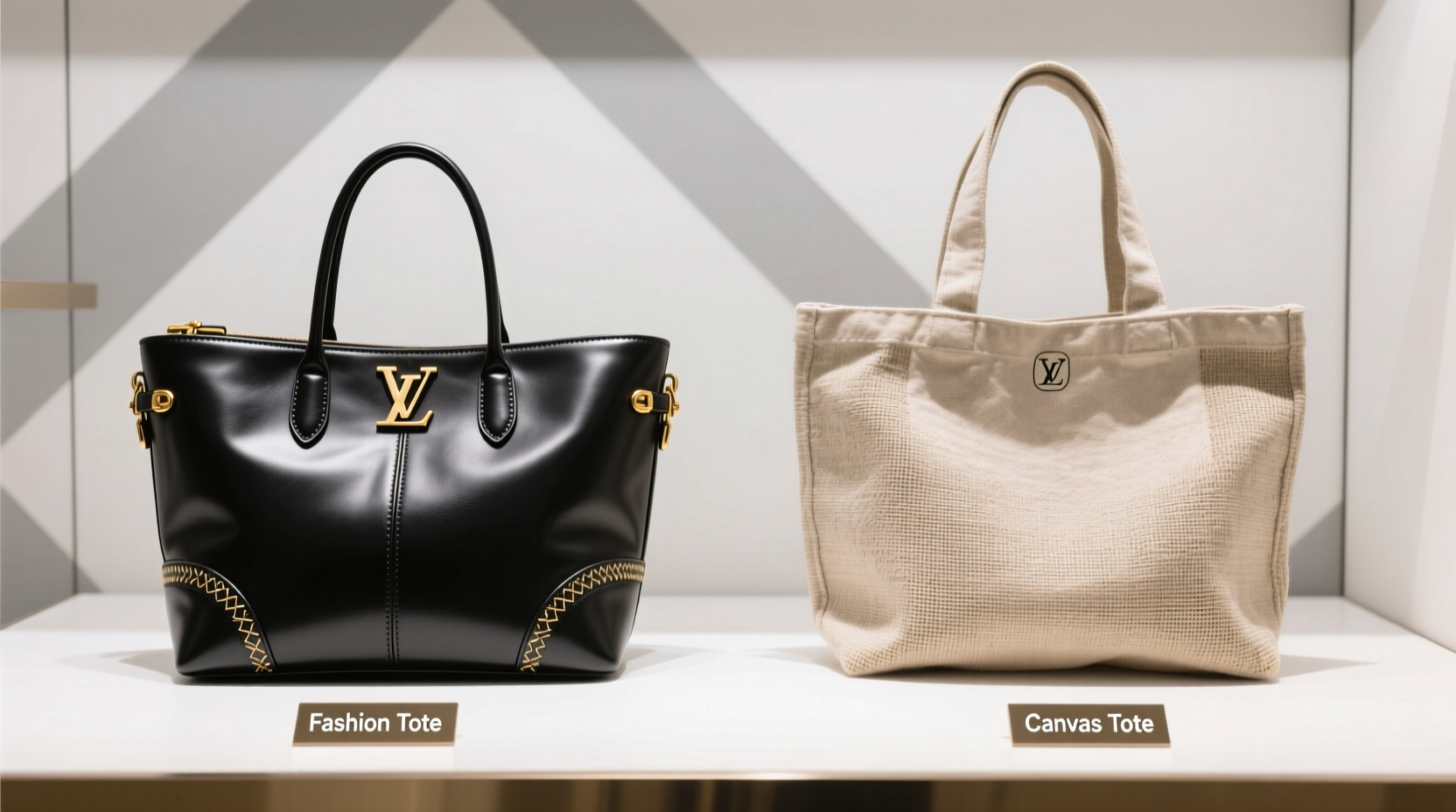
The most fundamental difference between a fashion tote and a canvas tote lies in their materials and how they’re constructed. A canvas tote is typically made from heavy-duty cotton canvas, a tightly woven fabric known for its strength and durability. It's often unlined or minimally lined, designed for utility rather than luxury. These bags are built to carry weight—books, groceries, gym clothes—with minimal fuss.
In contrast, a fashion tote uses a broader range of materials: genuine or faux leather, nylon, coated fabrics, or blends engineered for visual appeal. These totes often feature structured shapes, reinforced stitching, designer hardware (like zippers, logo plaques, or metal feet), and high-quality linings. While some fashion totes can handle daily use, their primary purpose is to complement an outfit or reflect personal style.
Functionality Compared: When Each Shines
Canvas totes excel in practicality. They’re lightweight, washable (many can go in the machine on gentle cycle), and often foldable for storage. Their simplicity makes them ideal for casual outings, travel, or as reusable shopping bags. Eco-conscious brands frequently use organic cotton canvas, adding sustainability to their appeal.
Fashion totes, however, are tailored for environments where appearance matters. Think office commutes, client meetings, or brunch dates. They often include interior pockets, zip closures, and padded laptop sleeves—features rarely found in basic canvas versions. But this added functionality comes at a cost: many fashion totes aren’t water-resistant, and delicate finishes require careful handling.
| Feature | Canvas Tote | Fashion Tote |
|---|---|---|
| Primary Material | Cotton canvas | Leather, nylon, polyester, coated fabrics |
| Durability | High (abrasion-resistant) | Varies (leather ages well; synthetics may degrade) |
| Water Resistance | Low (unless treated) | Moderate to high (depending on coating) |
| Style Focus | Minimalist, utilitarian | Designer-driven, trend-conscious |
| Price Range | $10–$50 | $75–$500+ |
| Maintenance | Easy (machine-washable) | High (specialty cleaners, conditioning) |
Real-Life Use Case: Sarah’s Workweek Dilemma
Sarah, a graphic designer, used her favorite canvas tote for everything—laptop, sketchbook, lunchbox, even her umbrella. Within six months, the straps frayed, ink bled from a pen leak stained the lining, and the bottom darkened from constant pavement contact. She switched to a structured fashion tote with a protective base and zip closure. Though heavier and less flexible, it kept her gear secure and looked professional during client visits. However, when she tried using it for grocery runs, the leather scuffed in the rain, and she realized it wasn’t suited for rugged tasks.
Her solution? Dual-purpose strategy. She now keeps a durable canvas tote in her car for errands and uses her fashion tote exclusively for work and social events. This approach extended the life of both bags and ensured each served its intended role.
“Choosing the right tote isn't about which looks better—it's about matching the bag to the task. Overloading a delicate fashion tote with gym shoes and wet towels will ruin it fast.” — Marcus Lin, Bag Design Consultant at Urban Carry Co.
How to Choose: A Step-by-Step Decision Guide
Selecting between a fashion tote and a canvas tote doesn’t have to be guesswork. Follow this five-step process to make a confident choice:
- Assess Your Daily Load: List what you carry regularly. Heavy laptops and multiple items demand strong seams and support—canvas excels here unless the fashion tote has reinforced construction.
- Evaluate Your Environment: Do you walk in rain, ride a bike, or commute on crowded trains? Canvas tolerates moisture better if cleaned promptly; fashion totes with water-resistant coatings offer protection but require drying after exposure.
- Consider Style Needs: Will you pair the bag with business attire or jeans and a tee? Fashion totes enhance coordinated outfits; canvas works best in laid-back settings.
- Budget for Longevity: Ask whether you want a long-term investment or a seasonal accessory. High-end fashion totes can last years with care, while budget canvas bags are replaceable and eco-friendly.
- Think About Storage & Care: Do you have space to store a structured bag properly? Can you commit to cleaning and conditioning? If not, low-maintenance canvas is the smarter pick.
Expert Tips for Maximizing Any Tote’s Lifespan
No matter which type you choose, small habits make a big difference in how long your tote lasts.
- Rotate your bags weekly to prevent strain on one model.
- Empty and air out your tote overnight to reduce odor buildup.
- Use removable inserts or pouches to protect the interior lining.
- Avoid overstuffing—this stresses seams and distorts shape.
- For canvas, spot-clean stains immediately with mild soap and water.
- For fashion totes, apply leather conditioner every 3–6 months.
FAQ: Common Questions Answered
Can I use a canvas tote for work?
Absolutely—if your workplace is casual and you don’t carry sensitive electronics. Opt for a canvas tote with a padded sleeve and interior organization. For formal offices or frequent travel, a sleek fashion tote offers better polish and protection.
Are fashion totes worth the price?
They can be, especially if made from quality materials and worn consistently. A $200 leather tote used daily for three years costs less per use than a $30 canvas bag replaced every season. However, only invest if the design fits your lifestyle and you’ll maintain it properly.
Is canvas more sustainable than synthetic fashion materials?
Generally, yes—especially if it’s organic or recycled cotton. Canvas is biodegradable and requires fewer petrochemicals to produce. Many fashion totes use PVC-coated fabrics or non-recyclable laminates, though some luxury brands now offer eco-leathers and circular design programs.
Final Checklist Before You Buy
Before clicking “add to cart,” ask yourself:
- ✅ Does this tote match my most common daily activities?
- ✅ Is the material appropriate for weather conditions I face?
- ✅ Does it have enough compartments for my essentials?
- ✅ Can I clean or maintain it easily?
- ✅ Will I still like the style in six months?
- ✅ Am I buying it for function—or just because it’s trendy?
Conclusion: Make the Choice That Serves You
The real difference between a fashion tote and a canvas tote isn’t just in the fabric—it’s in intent. One is built to endure, the other to impress. But you don’t have to choose one forever. The smartest wardrobe includes both: a rugged canvas tote ready for messes and mileage, and a polished fashion tote that steps up when presentation matters. By understanding your needs and respecting each bag’s strengths, you’ll save money, reduce waste, and always leave the house with the right companion by your side.




 浙公网安备
33010002000092号
浙公网安备
33010002000092号 浙B2-20120091-4
Comments
No comments yet. Why don't you start the discussion?