
Fatigue and dizziness are two of the most frequently reported health concerns, affecting millions worldwide. While often dismissed as minor or temporary, these symptoms can signal underlying conditions that require attention. When experienced together, they may point to systemic imbalances involving the cardiovascular, neurological, or endocrine systems. Understanding the root causes—and knowing how to respond—can make a significant difference in daily functioning and long-term well-being.
Understanding Fatigue and Dizziness
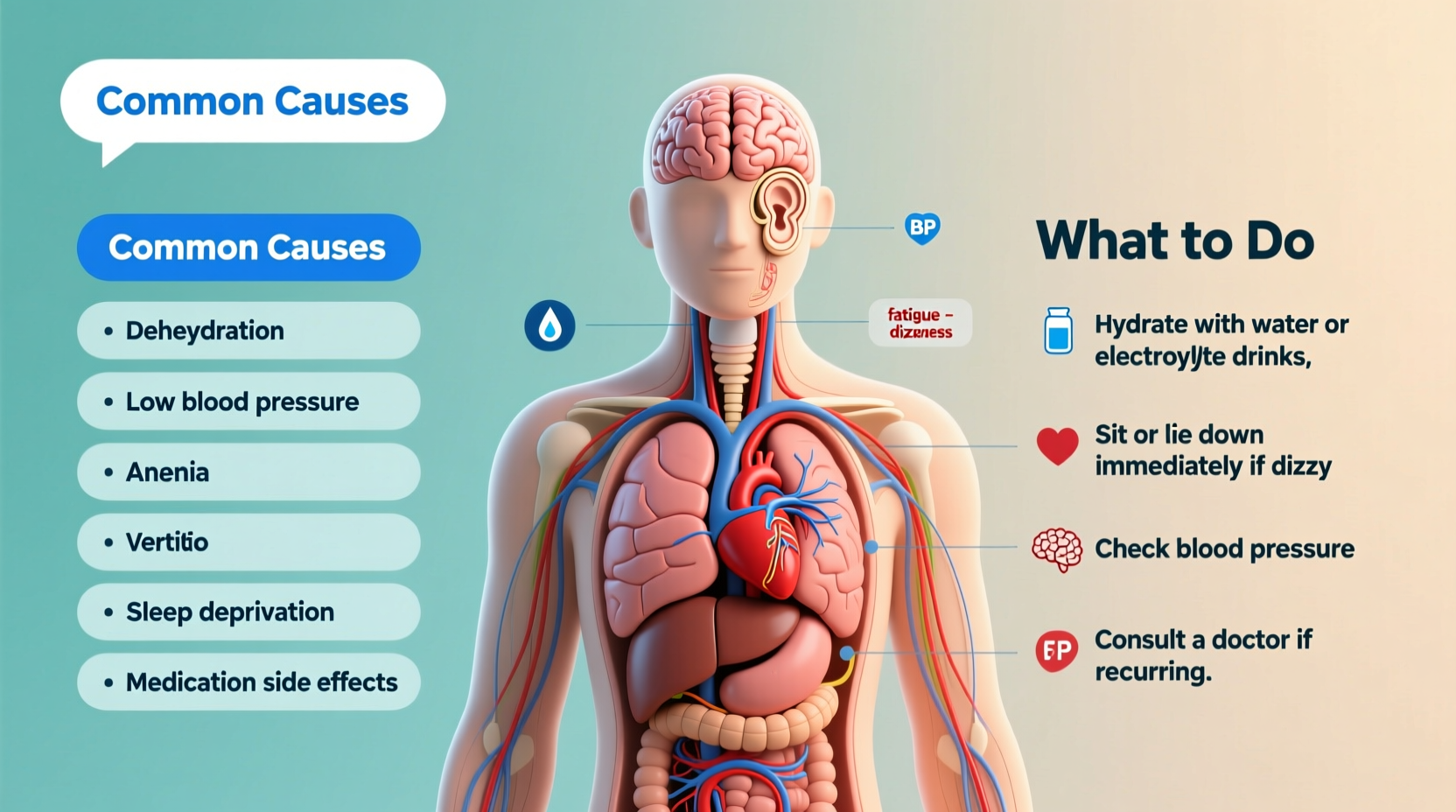
Fatigue goes beyond ordinary tiredness. It's a persistent lack of energy not relieved by rest, often accompanied by mental fog, reduced motivation, and physical weakness. Dizziness, on the other hand, refers to a sensation of lightheadedness, unsteadiness, or spinning (vertigo). These symptoms may occur independently, but when combined, they can severely impact mobility, concentration, and quality of life.
The connection between fatigue and dizziness lies in their shared pathways: blood flow, oxygen delivery, and nervous system regulation. A drop in blood pressure, low blood sugar, dehydration, or inner ear dysfunction can simultaneously trigger both sensations.
Common Medical Causes
Several medical conditions present with fatigue and dizziness as hallmark symptoms. Recognizing patterns can help determine whether professional evaluation is needed.
- Anemia: Low red blood cell count reduces oxygen transport, causing fatigue and lightheadedness, especially during exertion.
- Dehydration: Even mild fluid loss impairs circulation and brain function, leading to dizziness and sluggishness.
- Hypotension (Low Blood Pressure): Particularly orthostatic hypotension—when standing up quickly—can cause sudden dizziness and weakness.
- Diabetes: Both hypoglycemia (low blood sugar) and hyperglycemia (high blood sugar) disrupt energy metabolism and nerve signaling.
- Inner Ear Disorders: Conditions like benign paroxysmal positional vertigo (BPPV), Meniere’s disease, or labyrinthitis affect balance and often induce fatigue due to chronic imbalance.
- Thyroid Dysfunction: Hypothyroidism slows metabolism, contributing to exhaustion and occasional dizziness.
- Chronic Fatigue Syndrome (CFS/ME): Characterized by profound fatigue and post-exertional malaise, often with dizziness upon standing (POTS-like symptoms).
- Cardiovascular Issues: Arrhythmias, heart failure, or poor circulation reduce oxygen delivery to the brain and muscles.
“Persistent fatigue and dizziness should never be normalized. They’re signals from the body that something is out of balance.” — Dr. Lena Patel, Internal Medicine Specialist
When to Seek Immediate Medical Attention
While many causes are manageable, certain red flags indicate urgent care is necessary. Sudden onset of symptoms, especially with additional warning signs, could point to serious conditions such as stroke, heart attack, or severe infection.
| Symptom Combination | Possible Concern | Action Required |
|---|---|---|
| Dizziness + chest pain + shortness of breath | Heart-related issue | Seek emergency care immediately |
| Fatigue + confusion + slurred speech | Possible stroke | Call emergency services |
| Sudden vertigo + hearing loss + nausea | Meniere’s flare-up or vestibular neuritis | Consult ENT specialist promptly |
| Weakness + numbness + imbalance | Neurological condition (e.g., MS) | Schedule neurology evaluation |
Step-by-Step Guide to Managing Symptoms at Home
For non-emergency cases, a structured approach can help identify and alleviate triggers. Follow this timeline over 7–10 days to assess patterns and improve daily function.
- Day 1–2: Track Symptoms
Record episodes of fatigue and dizziness, including time, activity, food intake, hydration, and stress levels. - Day 3: Optimize Hydration and Nutrition
Drink at least 2 liters of water daily. Eat balanced meals with complex carbs, protein, and healthy fats every 3–4 hours to stabilize blood sugar. - Day 4: Check Medications
Review prescriptions and OTC drugs. Some antihypertensives, antidepressants, or sedatives cause dizziness and fatigue as side effects. - Day 5: Improve Sleep Hygiene
Go to bed and wake up at the same time daily. Avoid screens 1 hour before sleep. Aim for 7–9 hours of uninterrupted rest. - Day 6–7: Incorporate Gentle Movement
Engage in light walking, stretching, or yoga. Physical activity enhances circulation and reduces fatigue over time. - Day 8–10: Reassess and Consult if Needed
If symptoms persist despite lifestyle adjustments, schedule an appointment with your primary care provider.
Real-Life Example: Maria’s Experience with Postural Dizziness
Maria, a 42-year-old office worker, began experiencing frequent lightheadedness and exhaustion after returning to work following maternity leave. She noticed the dizziness worsened when standing up from her desk or getting out of bed. Initially attributing it to stress and sleep deprivation, she tried drinking more water and taking short walks during breaks.
After tracking her symptoms, she realized her blood pressure dropped significantly upon standing. Her doctor diagnosed her with postural orthostatic tachycardia syndrome (POTS), a condition where heart rate increases abnormally upon standing, reducing cerebral blood flow. With increased salt and fluid intake, compression stockings, and gradual aerobic reconditioning, Maria reduced her dizziness by 80% within six weeks.
Her case highlights the importance of persistence and precise diagnosis—even when symptoms seem vague.
Do’s and Don’ts: Quick Reference Table
| Do’s | Don’ts |
|---|---|
| Stay hydrated throughout the day | Ignore repeated dizziness when standing |
| Eat small, frequent meals rich in iron and B12 | Consume excessive caffeine or alcohol |
| Rise slowly from sitting or lying positions | Self-diagnose or stop prescribed medications abruptly |
| Practice balance exercises (e.g., heel-to-toe walk) | Push through extreme fatigue without rest |
| Monitor blood pressure at home if advised | Dismiss symptoms just because they're “common” |
FAQ: Frequently Asked Questions
Can anxiety cause fatigue and dizziness?
Yes. Anxiety triggers the release of stress hormones like adrenaline and cortisol, which can lead to hyperventilation, rapid heartbeat, and altered blood flow—resulting in dizziness. Chronic anxiety also depletes mental and physical energy, contributing to long-term fatigue.
Is it normal to feel dizzy and tired after a viral illness?
It’s increasingly common, especially after infections like influenza or COVID-19. Post-viral fatigue and autonomic dysfunction (such as POTS) can linger for weeks or months. Gradual return to activity, adequate rest, and medical monitoring are key to recovery.
How does iron deficiency lead to these symptoms?
Iron is essential for hemoglobin production, which carries oxygen in red blood cells. Without enough iron, tissues receive less oxygen, forcing the heart to work harder. This leads to fatigue, shortness of breath, and dizziness, particularly during physical effort.
Conclusion: Take Control of Your Energy and Balance
Fatigue and dizziness are not inevitable parts of modern life. While occasional episodes may stem from simple causes like missed meals or poor sleep, recurring symptoms deserve investigation. By paying attention to your body’s signals, making targeted lifestyle changes, and seeking timely medical advice, you can restore stability and vitality.




 浙公网安备
33010002000092号
浙公网安备
33010002000092号 浙B2-20120091-4
Comments
No comments yet. Why don't you start the discussion?