
It’s a familiar sensation: you sit down for a meal, enjoy every bite, and within minutes, your clothes feel tighter, your stomach is distended, and you’re left wondering if you suddenly gained weight. While it’s impossible to gain actual body fat from a single meal, the feeling of being “fatter” afterward is both common and distressing. This sensation isn’t just psychological—it stems from physiological processes like bloating, water retention, and digestive slowdown. Understanding why this happens is the first step toward managing it effectively.
Why You Feel Fatter After Eating: The Science Behind the Sensation
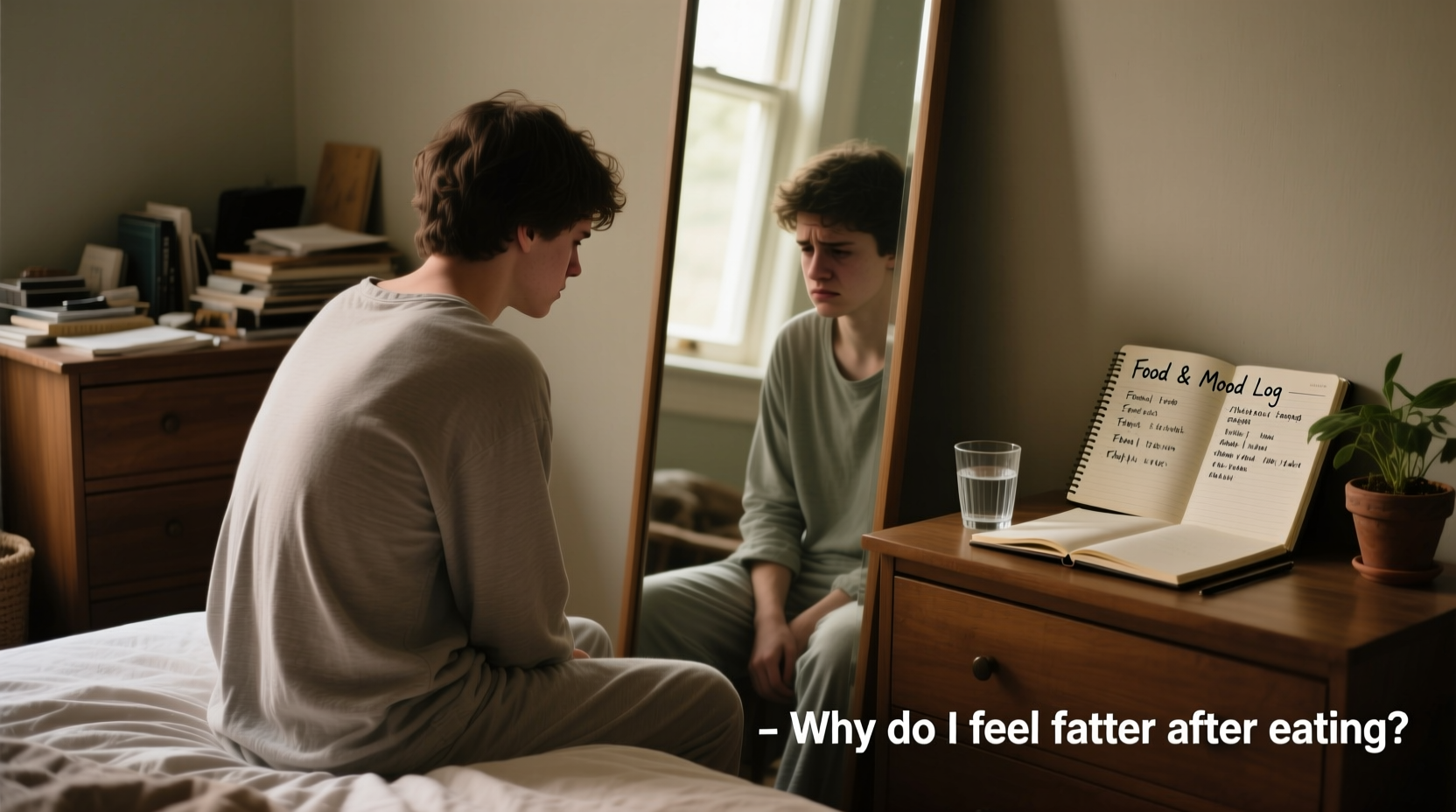
The immediate sense of fullness or puffiness after eating is typically due to physical changes in the digestive tract, not fat accumulation. When food enters your stomach, it expands to accommodate volume. This stretching can trigger signals that make you feel heavy or swollen. Additionally, certain foods cause gas production, fluid retention, or intestinal inflammation, all contributing to the bloated sensation.
One major factor is gastric distension. As your stomach fills, mechanoreceptors send signals to the brain indicating fullness. In sensitive individuals, especially those with irritable bowel syndrome (IBS), this signal can be amplified, leading to discomfort even after moderate portions.
Another contributor is gas buildup. Digestion produces gas as gut bacteria ferment undigested carbohydrates—particularly in foods like beans, onions, broccoli, and dairy (for lactose-intolerant people). This gas accumulates in the intestines, causing visible abdominal swelling.
Common Dietary Triggers of Post-Meal Bloating
Different foods affect people differently, but several categories are consistently linked to bloating and the feeling of increased size after meals:
- High-sodium foods: Processed snacks, canned soups, and restaurant meals often contain excessive salt, which causes water retention and puffiness.
- FODMAPs: Fermentable carbohydrates found in garlic, onions, apples, wheat, and legumes feed gut bacteria and produce gas.
- Carbonated beverages: Sodas and sparkling water introduce extra gas into the digestive system.
- Fatty foods: High-fat meals slow gastric emptying, meaning food stays in the stomach longer, prolonging feelings of fullness and pressure.
- Dairy products: For those with lactose intolerance, consuming milk, cheese, or ice cream leads to fermentation and gas production.
“Bloating is one of the most common digestive complaints we see clinically. Often, simple dietary adjustments can bring dramatic relief.” — Dr. Lena Patel, Gastroenterology Specialist
What to Do Immediately After Feeling Bloated
If you're already experiencing that tight, puffy sensation, there are actionable steps you can take to ease discomfort and support digestion.
- Go for a gentle walk: Light movement stimulates peristalsis—the natural contractions of the digestive tract—and helps move gas through the intestines.
- Sip warm herbal tea: Peppermint, ginger, or chamomile tea can relax the gut muscles and reduce bloating.
- Avoid lying down: Staying upright prevents acid reflux and supports proper digestion. Wait at least two hours before reclining.
- Apply warmth: A heating pad on the abdomen may relieve cramping and encourage gas release.
- Try gentle abdominal massage: Use circular motions moving clockwise around the belly to encourage gas movement toward the colon.
Bloat-Relief Checklist
- ✅ Take a 10-minute walk
- ✅ Drink warm water or herbal tea
- ✅ Avoid chewing gum or drinking through straws
- ✅ Practice diaphragmatic breathing
- ✅ Skip carbonated drinks and sweets
Long-Term Strategies to Prevent Post-Meal Discomfort
While quick fixes help in the moment, lasting relief comes from consistent habits that support healthy digestion and reduce triggers over time.
| Strategy | Action | Expected Benefit |
|---|---|---|
| Reduce sodium intake | Cook at home, read labels, avoid processed foods | Less water retention, reduced puffiness |
| Limit high-FODMAP foods | Temporarily eliminate triggers, then reintroduce | Fewer gas-producing reactions |
| Eat slowly and mindfully | Chew each bite 20–30 times, put utensils down between bites | Improved digestion, less air swallowing |
| Stay hydrated | Drink water throughout the day, not during meals | Better bowel function, reduced constipation |
| Support gut health | Consume probiotics (yogurt, kefir, supplements) and fiber | Healthier microbiome, regular motility |
Mini Case Study: Sarah’s Journey with Mealtime Bloating
Sarah, a 34-year-old office worker, frequently felt “huge” after lunch, even when she ate salads. She avoided social events and wore loose clothing daily. After consulting a dietitian, she discovered her seemingly healthy lunches were loaded with hidden triggers: store-bought dressing (high in sugar and preservatives), roasted vegetables with garlic and onion, and a daily iced tea with artificial sweeteners—all high-FODMAP ingredients.
She switched to homemade vinaigrette, swapped garlic for herbs, eliminated sweeteners, and started walking for 10 minutes after eating. Within three weeks, her post-meal bloating decreased by 80%. “I didn’t realize how much small changes could make such a big difference,” she said.
When to Seek Medical Advice
Occasional bloating is normal. However, persistent or severe symptoms may indicate an underlying condition such as:
- Irritable Bowel Syndrome (IBS)
- Lactose or fructose intolerance
- Small Intestinal Bacterial Overgrowth (SIBO)
- Celiac disease
- Gastroparesis (delayed stomach emptying)
If bloating is accompanied by chronic diarrhea, constipation, unexplained weight loss, blood in stool, or severe pain, consult a healthcare provider. Diagnostic tests like hydrogen breath testing, blood panels, or endoscopy may be needed to identify root causes.
Frequently Asked Questions
Can you actually gain fat from one meal?
No. To gain one pound of body fat, you’d need to consume about 3,500 excess calories. Even a large meal rarely exceeds 1,500–2,000 calories. The “fatter” feeling is due to food volume, water retention, and bloating—not fat storage.
Why do I look pregnant after eating?
This phenomenon, sometimes called “endo belly” or “food baby,” is typically caused by severe bloating. It’s common in people with IBS, hormonal fluctuations, or food sensitivities. Gas accumulation and weakened abdominal muscles can also contribute to visible distension.
Does drinking water help with bloating?
Yes—but timing matters. Drinking water throughout the day helps flush excess sodium and prevents dehydration-related constipation. However, gulping large amounts during meals can increase stomach pressure and worsen bloating. Sip steadily instead.
Take Control of Your Digestive Comfort
The feeling of being fatter after eating is more than just discomfort—it can impact confidence, mood, and daily life. But it doesn’t have to be inevitable. By identifying personal triggers, adjusting eating habits, and supporting digestive health, you can enjoy meals without the aftermath of bloat and tight waistbands.
Start with one change: chew slower, cut back on processed foods, or take a post-meal walk. Small steps compound into lasting results. Listen to your body, track patterns, and don’t hesitate to seek professional guidance when needed. Your digestive system plays a central role in overall well-being—treat it with care, and you’ll feel the difference from the inside out.




 浙公网安备
33010002000092号
浙公网安备
33010002000092号 浙B2-20120091-4
Comments
No comments yet. Why don't you start the discussion?