
Shakiness—whether in the hands, legs, or throughout the body—is a sensation many people experience at some point. It can range from mild trembling after intense exercise to sudden, unexplained tremors that interfere with daily tasks. While occasional shakiness is often harmless, persistent or severe symptoms may signal an underlying health issue. Understanding the root causes and knowing how to respond can help you take control of your well-being.
Common Causes of Shakiness
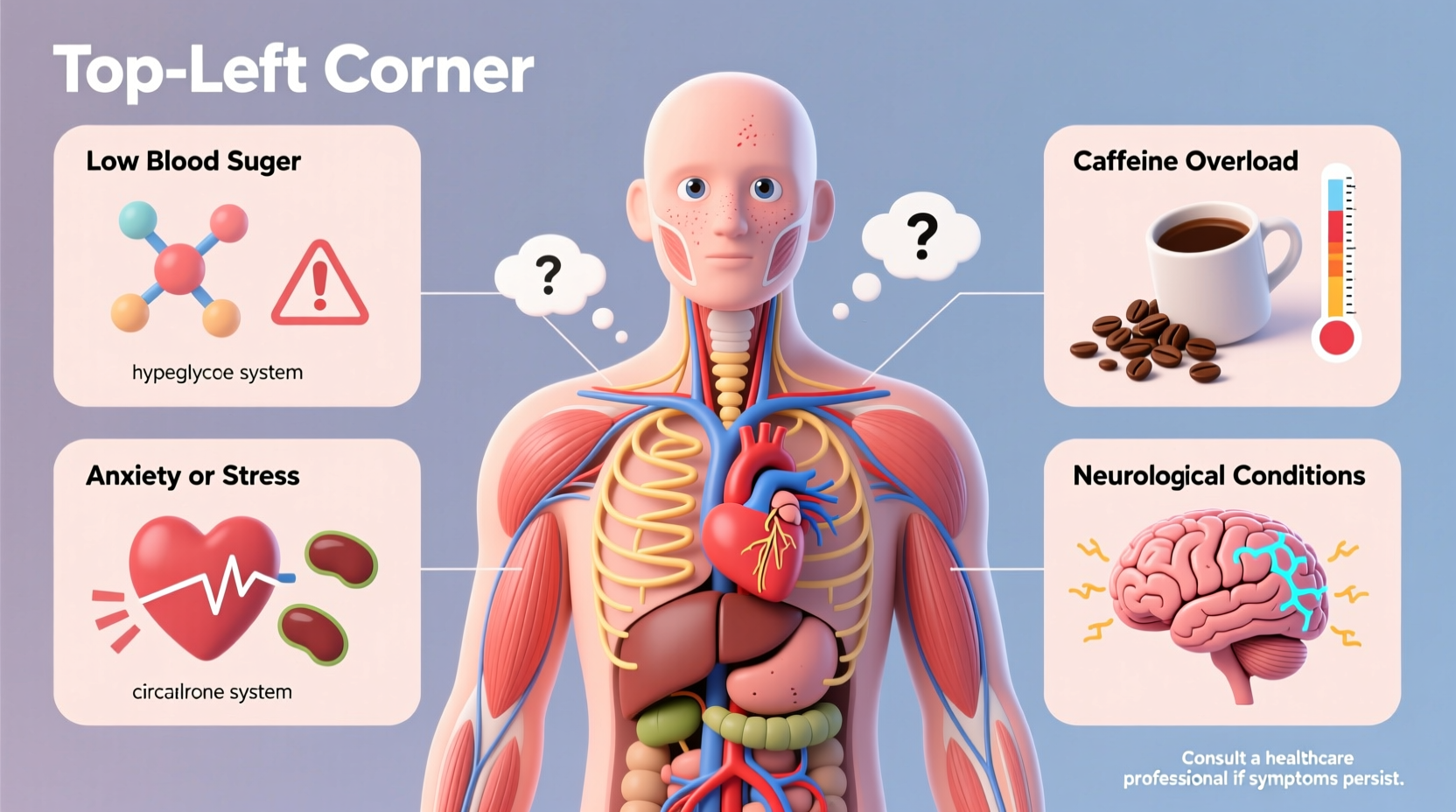
Shakiness is not a diagnosis but a symptom with multiple potential triggers. Some causes are temporary and easily corrected, while others require medical evaluation.
- Low blood sugar (hypoglycemia): Especially common in people with diabetes, skipping meals, or consuming alcohol on an empty stomach can cause dizziness, sweating, and trembling.
- Anxiety or panic attacks: The body’s fight-or-flight response releases adrenaline, which can lead to shaking, rapid heartbeat, and shortness of breath.
- Caffeine or stimulant overuse: Excessive coffee, energy drinks, or certain medications can overstimulate the nervous system.
- Physical exhaustion: Prolonged physical activity, lack of sleep, or dehydration may result in muscle fatigue and tremors.
- Medication side effects: Some antidepressants, asthma inhalers, and ADHD medications list tremors as a known side effect.
Medical Conditions Linked to Tremors
Persistent or worsening shakiness may be associated with neurological or systemic conditions that require professional diagnosis.
- Essential tremor: A common movement disorder causing rhythmic shaking, usually in the hands during movement. It often runs in families and worsens with age.
- Parkinson’s disease: Characterized by resting tremors, stiffness, and slow movement. Unlike essential tremor, Parkinson’s-related shaking occurs when muscles are relaxed.
- Thyroid disorders: Hyperthyroidism (overactive thyroid) increases metabolism and can trigger jitteriness, weight loss, and hand tremors.
- Neurological damage: Stroke, multiple sclerosis, or traumatic brain injury can disrupt nerve signals and lead to motor instability.
- Infections or fever: High body temperature can cause chills and shaking, especially during the onset of illness like the flu or urinary tract infections.
“Tremors should never be dismissed if they’re new, asymmetric, or worsening. Early neurological assessment improves long-term outcomes.” — Dr. Lena Torres, Neurologist at Boston General Hospital
When to Seek Medical Help
Not every episode of shakiness requires emergency care, but certain red flags warrant prompt attention.
| Symptom | May Indicate | Action |
|---|---|---|
| Sudden, one-sided tremor | Stroke or brain lesion | Seek emergency care |
| Trembling with confusion or slurred speech | Hypoglycemia or neurological event | Check blood sugar; call 911 if no improvement |
| Shaking with chest pain or palpitations | Cardiac or anxiety-related issue | Visit ER or urgent care |
| Gradual onset of hand tremors | Essential tremor or Parkinson’s | Schedule neurology consult |
Mini Case Study: Maria’s Experience
Maria, a 52-year-old teacher, began noticing her right hand would shake slightly when writing on the board. At first, she dismissed it as stress. Over six months, the tremor worsened and started affecting her handwriting. She also felt more fatigued than usual. After visiting a neurologist, she was diagnosed with early-stage essential tremor. With medication and lifestyle adjustments—including reducing caffeine and practicing relaxation techniques—her symptoms became manageable. Her case highlights the importance of early intervention and accurate diagnosis.
Immediate Steps to Take When Feeling Shaky
If you suddenly feel shaky, assess your immediate environment and bodily needs before deciding on next steps.
Step-by-Step Guide: Responding to Acute Shakiness
- Pause and sit down: Prevent falls by stabilizing yourself. Avoid standing or walking unassisted if dizziness accompanies the tremor.
- Check for low blood sugar: If you haven’t eaten in several hours, consume 15 grams of fast-acting carbohydrates (e.g., half a banana, fruit juice, glucose tablets).
- Hydrate: Drink water, especially if you’ve been sweating, exercising, or ill.
- Reduce stimulation: Turn off bright lights, step away from screens, and find a quiet space if anxiety is suspected.
- Practice slow breathing: Inhale for four counts, hold for four, exhale for six. Repeat for two minutes to calm the nervous system.
- Monitor symptoms: Note duration, triggers, and whether shaking spreads or resolves. This information helps doctors make a diagnosis.
Prevention and Long-Term Management
While not all causes of shakiness can be prevented, adopting healthy habits reduces risk and improves resilience.
Lifestyle Checklist to Reduce Shakiness
- ✅ Eat regular, balanced meals with protein, fiber, and healthy fats
- ✅ Limit caffeine and avoid energy drinks
- ✅ Stay hydrated—aim for 6–8 glasses of water daily
- ✅ Practice stress-reduction techniques: meditation, yoga, or journaling
- ✅ Get 7–9 hours of quality sleep per night
- ✅ Review medications with your doctor annually for side effects
- ✅ Schedule routine check-ups including thyroid and blood sugar tests
For those with diagnosed conditions like essential tremor or anxiety, adherence to treatment plans—such as beta-blockers, anti-anxiety therapy, or physical therapy—is critical. Assistive devices like weighted utensils or voice-to-text software can improve daily function.
Frequently Asked Questions
Can anxiety really cause physical shaking?
Yes. Anxiety activates the sympathetic nervous system, releasing adrenaline that prepares the body for danger. This can manifest as trembling hands, legs, or voice—even without visible stressors. The shaking typically subsides once the anxiety decreases.
Is it normal to feel shaky after working out?
Mild shakiness after intense exercise, especially strength training, is common due to muscle fatigue and electrolyte shifts. However, persistent tremors, cramping, or dizziness may indicate dehydration or overexertion. Replenish fluids and electrolytes, and allow adequate recovery time.
When should I worry about hand tremors?
Be concerned if tremors begin suddenly, affect only one side of the body, interfere with daily activities, or are accompanied by other symptoms like stiffness, balance issues, or cognitive changes. These could indicate a neurological condition requiring evaluation.
Take Control of Your Health
Feeling shaky doesn’t have to be a constant disruption. By understanding the possible causes—from simple fixes like hydration and nutrition to recognizing signs of deeper health concerns—you empower yourself to respond effectively. Don’t ignore persistent symptoms, but also don’t assume the worst. Many causes are treatable or manageable with the right approach. Pay attention to your body, keep a symptom log, and consult a healthcare provider when in doubt.




 浙公网安备
33010002000092号
浙公网安备
33010002000092号 浙B2-20120091-4
Comments
No comments yet. Why don't you start the discussion?