
Fiddle leaf figs (Ficus lyrata) are among the most beloved houseplants for their dramatic, violin-shaped leaves and lush green presence. Yet, even experienced plant owners often find themselves puzzled when their fiddle leaf fig begins shedding leaves. Unlike some resilient indoor plants, fiddle leaf figs are sensitive to environmental shifts, inconsistent watering, and poor light conditions. Leaf drop isn’t just a cosmetic issue—it’s a clear signal that something in the plant’s environment or care routine needs attention. Understanding why this happens—and how to reverse it—is key to restoring your plant’s health and vitality.
Why Fiddle Leaf Figs Drop Leaves: The Core Causes
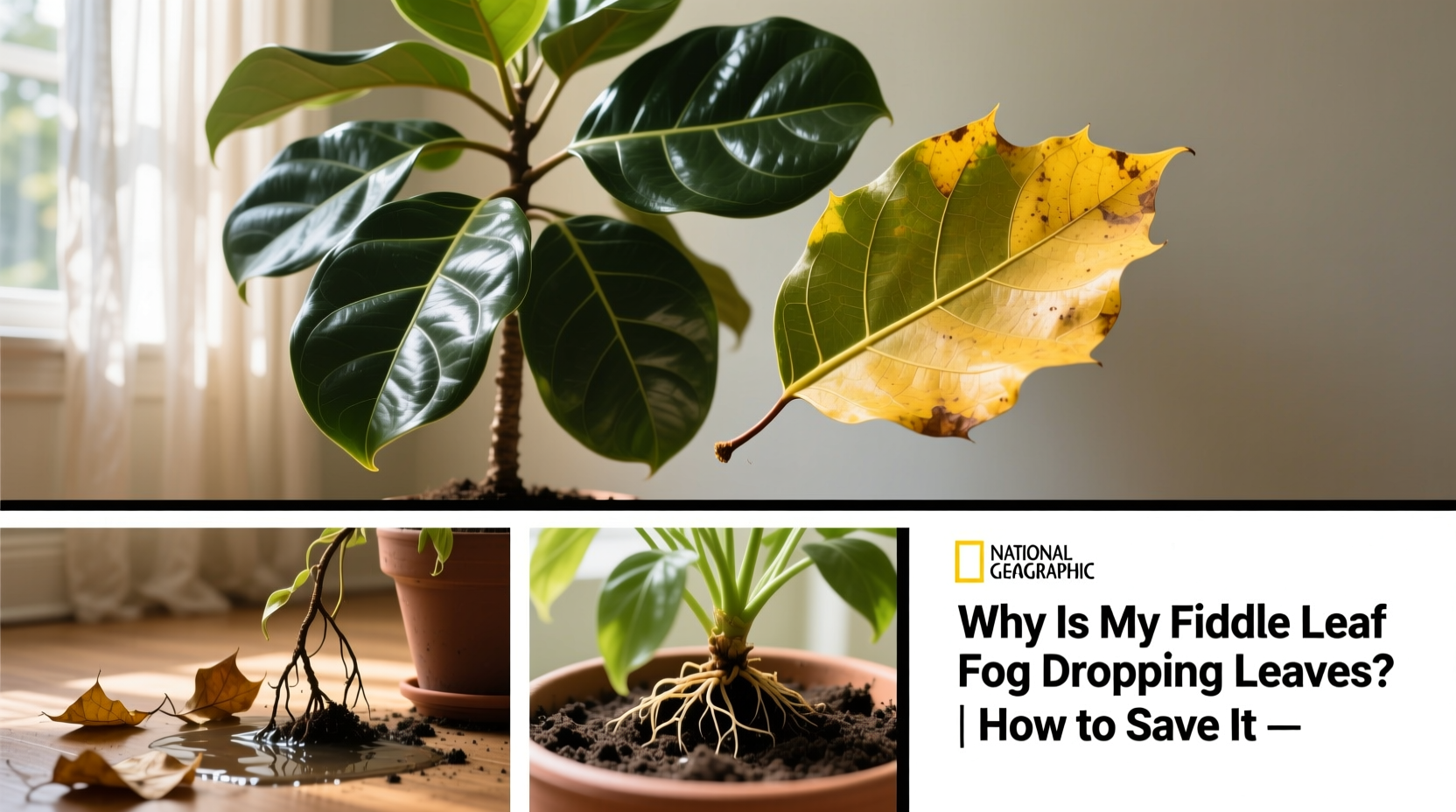
Leaf drop in fiddle leaf figs is rarely due to a single factor. Instead, it usually results from a combination of stressors that disrupt the plant’s natural processes. These large-leaved tropical plants originate from lowland rainforests in West Africa, where they enjoy consistent warmth, humidity, bright indirect light, and steady moisture. Replicating these conditions indoors is challenging, which is why so many indoor specimens struggle.
The most common causes of leaf drop include:
- Inconsistent watering – Both overwatering and underwatering can lead to leaf loss.
- Poor lighting – Too little light weakens the plant; sudden exposure to direct sun burns leaves.
- Low humidity – Dry indoor air stresses the plant, especially in winter.
- Temperature fluctuations – Cold drafts or heat sources near the plant cause stress.
- Root rot – Often caused by poor drainage or overwatering, leading to fungal infection.
- Relocation stress – Moving the plant frequently disrupts its acclimation.
Unlike some plants that shed older leaves as part of normal growth, fiddle leaf figs should retain their foliage unless under duress. When leaves fall, especially multiple at once or from the lower canopy, it's time to assess care practices immediately.
Step-by-Step Guide to Diagnose and Save Your Plant
Rescuing a leaf-dropping fiddle leaf fig requires a methodical approach. Follow this timeline to identify and correct the underlying issues.
- Stop all fertilizing – A stressed plant cannot absorb nutrients effectively. Fertilizer can burn weakened roots.
- Inspect the leaves and stems – Look for yellowing, brown spots, curling, or pests like spider mites or mealybugs.
- Check the soil moisture – Use a moisture meter or your finger. Soggy soil indicates overwatering; bone-dry soil means underwatering.
- Evaluate light exposure – Is the plant near a bright window with filtered light? Direct midday sun scorches leaves.
- Assess temperature and airflow – Keep the plant away from AC vents, heaters, and drafty windows.
- Test for root rot – Gently remove the plant from its pot. Healthy roots are firm and white; rotted ones are mushy and dark.
- Repot if necessary – Use a well-draining potting mix and a container with drainage holes.
- Adjust watering schedule – Water only when the top 1–2 inches of soil are dry.
- Increase humidity – Use a humidifier, pebble tray, or group plants together.
- Maintain stability – Once the plant adjusts, avoid moving it frequently.
This process may take several weeks, but consistency is crucial. Avoid making multiple changes at once, as this can further stress the plant.
Watering Mistakes and How to Fix Them
Improper watering is the leading cause of fiddle leaf fig decline. These plants prefer a “soak and dry” cycle: water thoroughly until it drains from the bottom, then allow the top layer of soil to dry before watering again. Overwatering leads to oxygen-starved roots and fungal rot, while underwatering causes dehydration and leaf drop.
A common mistake is watering on a fixed schedule rather than based on the plant’s actual needs. Factors like pot size, humidity, light, and season affect drying time. In winter, for example, the plant may need watering only every 3–4 weeks.
| Issue | Symptoms | Solution |
|---|---|---|
| Overwatering | Yellowing leaves, soft stems, foul soil odor, blackened roots | Stop watering, repot in fresh mix, trim rotted roots |
| Underwatering | Dry, crispy leaf edges, drooping, soil pulling away from pot | Water deeply until runoff, increase frequency slightly |
| Poor Drainage | Water pooling at surface, slow drying, root rot | Use a pot with holes, add perlite to soil mix |
Using the right soil is equally important. A standard potting mix retains too much moisture. Instead, use a blend designed for aroids or create your own with two parts potting soil, one part perlite, and one part orchid bark for improved aeration.
“Fiddle leaf figs don’t die from thirst—they die from drowning. It’s not about how much you water, but how well the roots can breathe.” — Dr. Linda Chen, Urban Horticulturist
Light, Humidity, and Environmental Stability
Light is another critical factor. Fiddle leaf figs thrive in bright, indirect light—think of dappled sunlight through a forest canopy. A south- or east-facing window with sheer curtains is ideal. Too little light slows growth and weakens the plant; too much direct sun scorches leaves, causing them to brown and drop.
If your plant is stretching toward the light or producing smaller new leaves, it’s not getting enough. Rotate the plant every few weeks to promote even growth, but avoid sudden repositioning.
Humidity is often overlooked. Indoor humidity levels below 40% can cause leaf edges to crisp and trigger premature leaf drop. While misting offers temporary relief, it does little to sustain humidity. Instead, place a humidifier nearby or set the pot on a pebble tray filled with water.
Temperature stability matters too. Fiddle leaf figs prefer 65–80°F (18–27°C). Sudden drops below 60°F or exposure to cold drafts can shock the plant. Never leave it near an open window in winter or close to an air conditioner in summer.
Real Example: Reviving a Struggling Fiddle Leaf Fig
Sarah, a plant enthusiast in Chicago, noticed her fiddle leaf fig losing leaves rapidly in late autumn. She had moved it closer to the window for more light but didn’t realize the radiator beneath was creating dry, hot air. The soil stayed wet for over a week after watering, and the lower leaves turned yellow before dropping.
She followed a recovery plan: first, she relocated the plant three feet from the window and turned off the radiator nearby. Next, she checked the roots and found early signs of rot—brown, soft tips. She trimmed the damaged roots, repotted into a terracotta container with a gritty soil mix, and placed it on a pebble tray. She stopped watering for ten days, then resumed with careful monitoring.
Within six weeks, new growth appeared at the top, and no further leaves dropped. Sarah now checks moisture weekly and uses a small humidifier during winter months. Her fig stands tall and healthy today.
Care Checklist: Prevent Future Leaf Drop
To keep your fiddle leaf fig thriving long-term, follow this actionable checklist:
- ✅ Water only when the top 1–2 inches of soil are dry
- ✅ Use a pot with drainage holes and well-aerated soil
- ✅ Place in bright, indirect light—avoid direct afternoon sun
- ✅ Maintain humidity above 40% with a humidifier or grouping
- ✅ Keep temperatures stable between 65–80°F
- ✅ Rotate the plant monthly for even growth
- ✅ Dust leaves gently with a damp cloth to support photosynthesis
- ✅ Fertilize lightly in spring and summer with a balanced formula (diluted)
- ✅ Inspect regularly for pests like spider mites and scale
- ✅ Avoid frequent relocation—fiddle leaf figs hate change
Frequently Asked Questions
Is it normal for my fiddle leaf fig to lose a few leaves?
Minimal leaf drop can occur as the plant matures, especially if lower leaves are shaded. However, losing more than 2–3 leaves per month or dropping healthy green leaves is a sign of stress and should be addressed.
Can I propagate the leaves that fell off?
No. Fiddle leaf figs cannot be propagated from leaf cuttings alone. You need a stem cutting with at least one node to grow a new plant. Fallen leaves without nodes will not root.
How long does it take for a fiddle leaf fig to recover from leaf drop?
Recovery time varies. With corrected care, you should see stabilization within 4–6 weeks. New growth typically appears in the growing season (spring to early fall). Patience and consistency are essential.
Final Thoughts: Consistency Is Key
Saving a leaf-dropping fiddle leaf fig isn’t about quick fixes—it’s about understanding and meeting its needs consistently. These plants thrive on stability. Once you’ve identified the cause of stress and adjusted care accordingly, resist the urge to tinker further. Let the plant acclimate. With proper light, careful watering, adequate humidity, and a stable environment, your fiddle leaf fig can not only stop losing leaves but also produce bold, glossy new growth that enhances your space.




 浙公网安备
33010002000092号
浙公网安备
33010002000092号 浙B2-20120091-4
Comments
No comments yet. Why don't you start the discussion?