
Selecting what to wear on a first date goes beyond fashion—it's about signaling confidence, compatibility, and intention. While style and fit matter, one often overlooked detail can shape your partner’s subconscious perception before you even speak: color. The hues you choose influence mood, emotion, and attraction. Understanding the psychology behind color can give you a subtle but powerful edge in making a memorable, positive impression.
From red’s association with passion to blue’s calming reliability, each color sends a message. But there’s no universal “best” color—it depends on context, personality, and setting. This guide breaks down the science, strategy, and situational nuances of choosing the ideal color for your next first date.
The Psychology of Color in Attraction
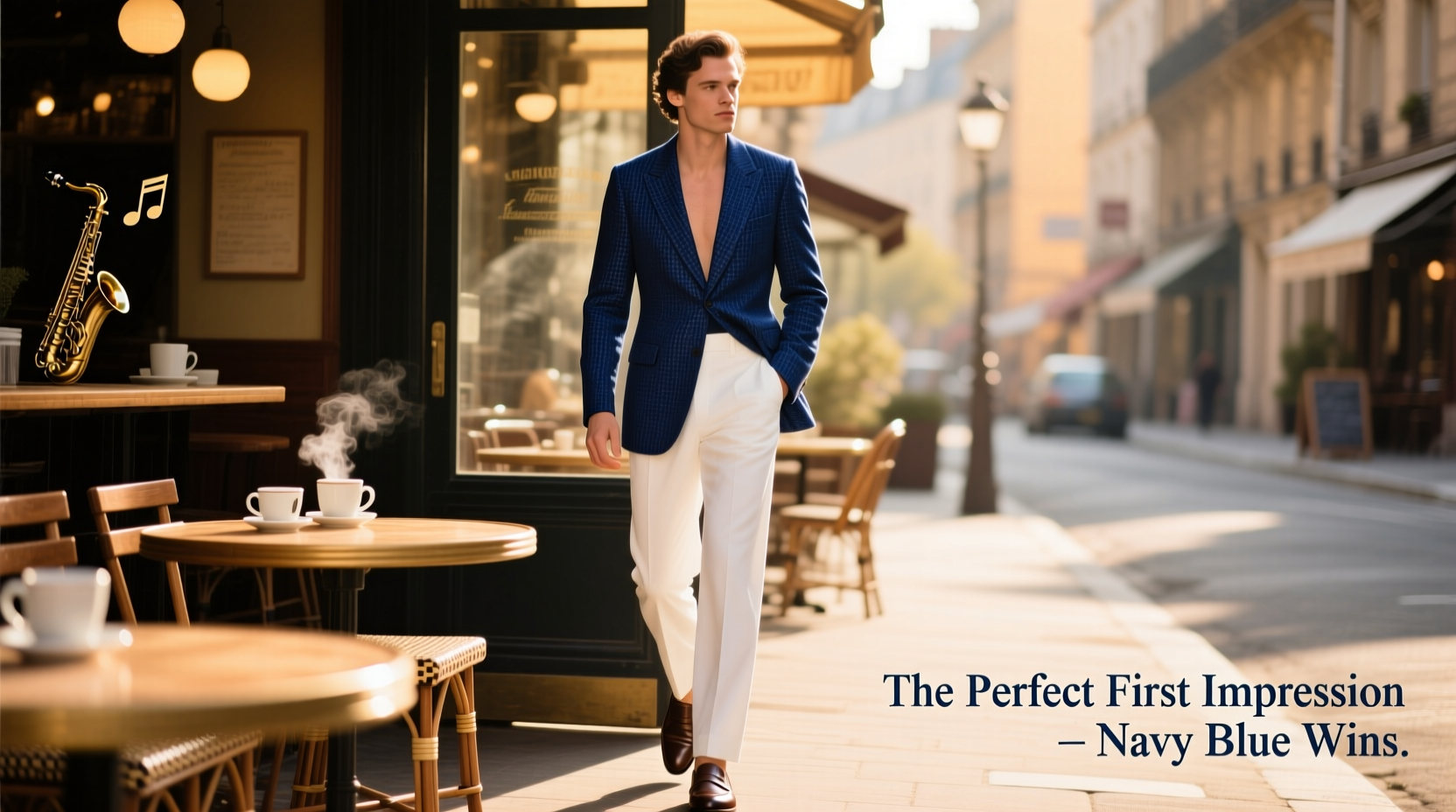
Colors evoke emotional and physiological responses rooted in both biology and culture. Research in social psychology consistently shows that clothing color influences how others perceive traits like attractiveness, competence, and warmth.
A 2010 study published in the Journal of Experimental Social Psychology found that men rated women wearing red as more attractive and sexually desirable than those in other colors—even when the outfit was otherwise identical. Similarly, women tend to perceive men in red as more dominant and confident.
However, desire isn’t the only goal on a first date. Trust, comfort, and authenticity are equally important. That’s where cooler tones like blue and neutral shades like gray or beige come into play—they signal stability, openness, and approachability.
“Color is one of the fastest ways we communicate nonverbally. On a first date, it sets the tone before words are exchanged.” — Dr. Lena Torres, Behavioral Psychologist and Author of *The Language of First Impressions*
How Different Colors Influence Perception
Each color carries symbolic weight. Below is a breakdown of common attire colors and the impressions they typically create:
| Color | Perceived Traits | Best For | Caution |
|---|---|---|---|
| Red | Confidence, passion, energy | Evening dates, bars, bold personalities | Can feel overwhelming or aggressive if overused |
| Blue | Trust, calm, intelligence | Daytime dates, coffee, professional settings | May seem too reserved for romantic dinners |
| Black | Sophistication, mystery, elegance | Fine dining, evening events | Can appear intimidating or distant without warmth in demeanor |
| White/Cream | Purity, simplicity, openness | Brunch, outdoor walks, casual meetups | Shows stains easily; may read as sterile if not balanced |
| Gray | Balance, neutrality, modernity | Versatile—works in most settings | Risk of appearing indecisive or unemotional |
| Navy | Reliability, depth, quiet confidence | First meetings, intellectual conversations | Less standout than brighter options |
Matching Color to Date Context
The ideal color depends heavily on the setting and activity. A rooftop cocktail bar calls for different energy than a daytime museum visit. Here’s how to align your color choice with the environment:
- Dinner at a fancy restaurant: Opt for deep tones like burgundy, charcoal, or black. These project sophistication and are flattering under dim lighting.
- Coffee or lunch date: Soft blues, light grays, or pastel shades (e.g., blush, mint) suggest friendliness and ease.
- Outdoor activity (hiking, picnic): Earthy tones like olive green, tan, or denim blue blend naturally and convey groundedness.
- Casual drinks or bar hopping: Red, deep purple, or metallic accents can enhance visibility and vibrancy in low-light environments.
Real Example: Sarah’s Coffee Shop Success
Sarah had two first dates in one week—one at a quiet bookstore café, the other at a lively wine bar. For the café, she wore a cream-colored knit sweater with soft blue jeans. Her date later mentioned she “seemed so easy to talk to.” For the wine bar, she chose a deep plum blouse. That night, her date said, “You stood out in the best way.” By adjusting her color palette to match the vibe, Sarah created distinct yet consistent impressions of warmth and confidence.
Step-by-Step Guide: Choosing Your First Date Color
Follow this five-step process to pick the most effective color for your next first date:
- Assess the setting. Is it bright and airy or dim and intimate? Lighter colors shine in daylight; deeper tones excel at night.
- Consider your natural coloring. Choose hues that complement your skin tone. Warm undertones pair well with terracotta, olive, and peach; cool tones suit jewel tones and icy shades.
- Align with your personality. If you’re outgoing, bolder colors like red or cobalt can amplify your energy. If you're introverted, soft blues or lavender can make you appear gently inviting.
- Think about balance. Avoid head-to-toe black unless accessorized with warmth (e.g., a scarf or jewelry). Similarly, all-red outfits can feel intense—tone it down with neutral layers.
- Test the outfit beforehand. Wear it in similar lighting and check your reflection. Does it make you feel confident? That feeling will radiate outward.
Common Mistakes to Avoid
- Wearing something just because it’s trendy. A neon green blazer might be in style, but if it doesn’t suit you or the occasion, it distracts rather than enhances.
- Ignoring contrast. In low light, dark-on-dark combinations (black shirt with black pants) can make you visually disappear. Add texture or a contrasting layer.
- Over-relying on stereotypes. Just because red is “romantic” doesn’t mean it’s right for every person or situation. Authenticity matters more than cliché.
- Choosing uncomfortable clothes. No color works if you’re fidgeting or self-conscious. Prioritize comfort alongside aesthetics.
Frequently Asked Questions
Does red really make you more attractive on a date?
Studies suggest yes—but with nuance. Red increases perceptions of passion and confidence, particularly in romantic or competitive contexts. However, its effect diminishes if it clashes with your personality or the setting. A red accent (like lipstick or a tie) often works better than an all-red ensemble.
Is black appropriate for a first date?
Yes, especially in evening or formal settings. Black conveys elegance and confidence. To avoid seeming cold, pair it with warm accessories—a patterned scarf, gold jewelry, or textured fabric—and maintain open body language.
What if I prefer neutral colors?
Neutrals like beige, gray, and navy are excellent choices. They project calm and versatility. Enhance them with subtle details: a pocket square, colored shoes, or a watch strap in a complementary hue. Neutrals aren’t boring—they’re a canvas for refinement.
Action Checklist: Your First Date Color Plan
- ☐ Identify the date location and time of day
- ☐ Select 2–3 potential outfits based on setting
- ☐ Evaluate which color makes you feel most confident
- ☐ Ensure the outfit complements your skin tone
- ☐ Add one intentional color accent (e.g., socks, earrings, bag)
- ☐ Try on the full look 24 hours in advance
- ☐ Confirm comfort and ease of movement
Conclusion: Confidence Is the True Best Color
In the end, the best color to wear on a first date isn’t dictated by trends or studies alone—it’s the one that makes you feel authentically yourself. Whether it’s a vibrant coral dress or a perfectly tailored navy blazer, the right color amplifies your confidence, which is the most attractive quality of all.
Use the insights above to make intentional choices, but never at the expense of comfort or truth. When you feel good, you carry yourself differently—your posture improves, your smile comes easier, and your presence becomes magnetic. That’s the real secret behind a perfect first impression.




 浙公网安备
33010002000092号
浙公网安备
33010002000092号 浙B2-20120091-4
Comments
No comments yet. Why don't you start the discussion?