
A cluttered sink area is one of the most common yet overlooked pain points in modern kitchens. Dish soap, sponges, scrubbers, and brushes often pile up on countertops or pool at the edge of the sink, creating both a visual mess and a hygiene concern. A well-chosen sink caddy can transform this chaotic zone into an organized, efficient space. Among the most trusted sources for product evaluations, Wirecutter—part of The New York Times—has rigorously tested numerous models to identify top performers. This guide dives into their findings, expands on key considerations, and offers practical advice for selecting and using a sink caddy that truly enhances your daily routine.
Why a Sink Caddy Matters More Than You Think
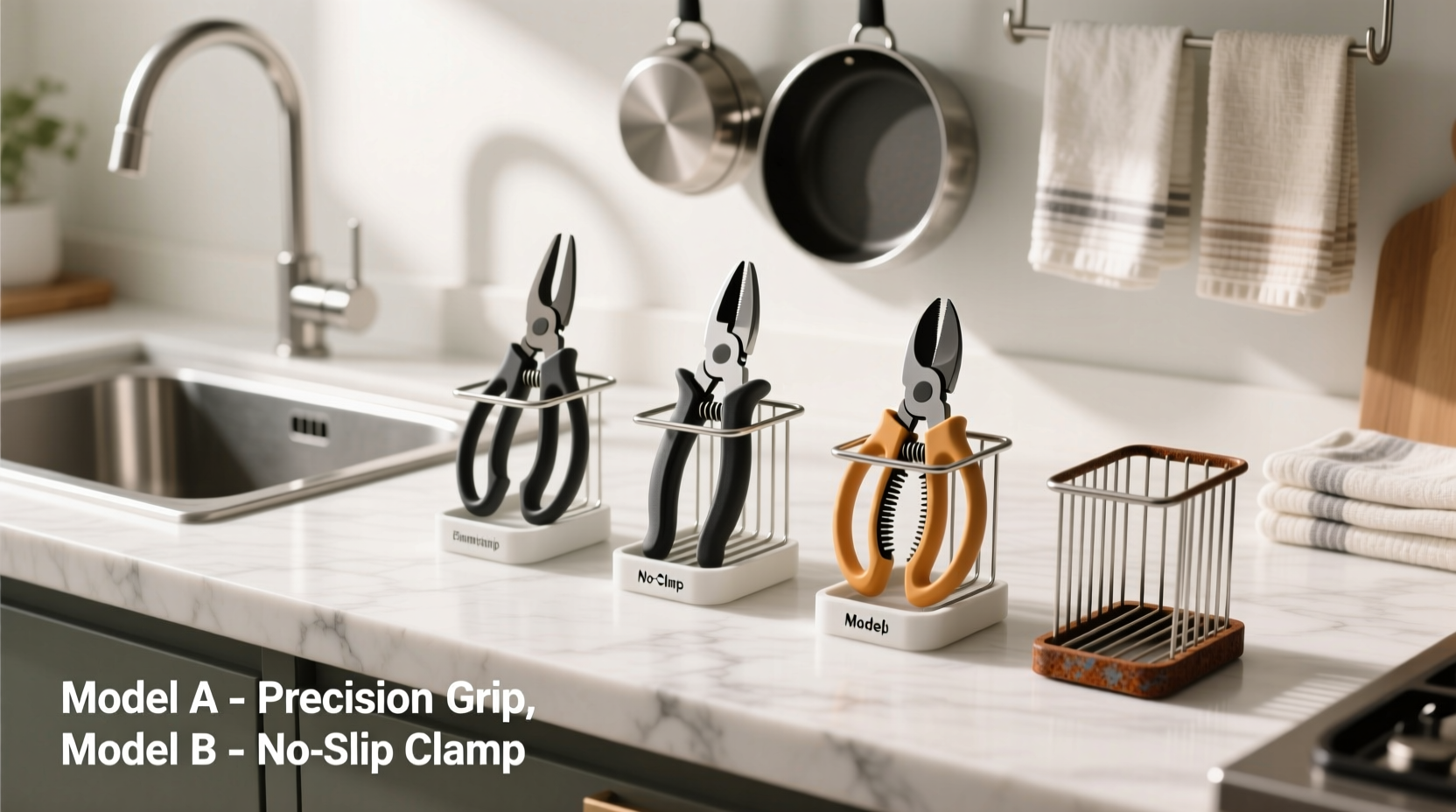
At first glance, a sink caddy might seem like a minor convenience. In reality, it plays a critical role in kitchen functionality and cleanliness. Without proper drainage and organization, wet sponges and soapy bottles breed bacteria and mildew. A high-quality caddy elevates cleaning tools off damp surfaces, promotes airflow, and keeps essentials within reach while minimizing countertop clutter.
Wirecutter’s testing emphasizes durability, drying performance, ease of cleaning, and footprint efficiency. Their top picks consistently outperform budget alternatives in long-term usability, even if they come at a slightly higher price point.
Top Wirecutter-Recommended Sink Caddies Compared
Based on extensive hands-on testing, Wirecutter highlights several standout models. Below is a detailed comparison of their top-rated options, including design features, materials, and real-world performance.
| Model | Material | Drying Performance | Footprint (inches) | Price Range |
|---|---|---|---|---|
| OXO Good Grips Over-the-Sink Drying Rack | Stainless steel frame with silicone-coated wires | Excellent – large surface area, sloped design | 24\" x 12\" | $45–$50 |
| SimpleHuman Recycled Plastic Sink Caddy | Recycled plastic with antimicrobial coating | Very Good – perforated base, angled for drainage | 14\" x 8\" | $30–$35 |
| Joseph Joseph Stack & Tidy Sink Organizer | BPA-free plastic with non-slip feet | Good – compact, modular compartments | 10\" x 7\" | $20–$25 |
| Utopia Kitchen Stainless Steel Sink Shelf | Powder-coated steel | Fair – rust-resistant but limited airflow | 18\" x 6\" | $18–$22 |
The OXO model leads in overall performance, especially for larger sinks, thanks to its over-the-sink design that maximizes counter space. SimpleHuman earns praise for sustainability and hygiene-focused engineering. Joseph Joseph appeals to those with smaller kitchens due to its stackable layout. Budget-conscious buyers may opt for Utopia, though long-term durability is less consistent.
“After six months of daily use, the OXO rack showed no signs of corrosion, while cheaper models began to warp or develop mildew in crevices.” — Wirecutter Home Lab Team
Key Features to Prioritize When Choosing
Not all sink caddies are created equal. Beyond brand reputation, consider these functional attributes to ensure lasting value:
- Drainage Design: Look for perforated bases or slatted surfaces that allow water to flow freely. Avoid solid-bottom trays unless they include elevated ridges.
- Material Quality: Stainless steel resists rust and supports heavier loads. High-grade plastics should be BPA-free and labeled dishwasher-safe.
- Size & Fit: Measure your sink’s perimeter and adjacent counter space. Over-the-sink models require clearance above the faucet.
- Mobility vs. Stability: Some users prefer lightweight caddies they can move; others prioritize stability during heavy sponge wringing.
- Easy Cleaning: Models with removable parts or smooth surfaces prevent grime buildup and simplify maintenance.
Step-by-Step Guide to Optimizing Your Sink Caddy Setup
Installing a sink caddy is simple, but optimizing its placement and contents takes strategy. Follow this timeline to get the most out of your investment:
- Week 1: Assess Your Needs – Track what items you use daily near the sink (e.g., soap, sponge, brush, steel wool). Note which ones retain moisture.
- Week 2: Choose the Right Model – Based on your inventory and sink dimensions, select a caddy that accommodates your tools without overcrowding.
- Day 1 Installation: Position the caddy where it won’t interfere with faucet movement or cabinet doors. If using an over-the-sink rack, ensure it rests securely on both sides.
- Organize by Function: Group similar items—liquid soap in one corner, scrubbers in another. Use small cups or dividers if available.
- Maintain Weekly: Remove all contents, rinse the caddy thoroughly, and wipe down surrounding surfaces. Replace worn sponges monthly.
Real-World Example: Transforming a Busy Family Kitchen
Sarah M., a mother of three in Portland, struggled with a perpetually wet and disorganized sink area. Her previous plastic caddy cracked within four months, and standing water led to persistent mildew smells. After reading Wirecutter’s review, she invested in the SimpleHuman Recycled Plastic Sink Caddy. Its antimicrobial surface and raised grid base eliminated pooling. “Within a week, I noticed fewer fruit flies and no more slippery residue under the soap bottle,” she said. “It’s small, but it made a huge difference in how I maintain the kitchen.”
This case illustrates how a thoughtful upgrade—even to a seemingly minor tool—can improve hygiene, save time, and reduce stress in high-traffic households.
Checklist: Before You Buy a Sink Caddy
Use this checklist to ensure your next purchase meets both practical and aesthetic needs:
- ✅ Measured sink and counter space to confirm fit
- ✅ Checked material for rust resistance or BPA-free certification
- ✅ Verified drainage holes or slats are present
- ✅ Confirmed compatibility with your faucet height (for over-the-sink models)
- ✅ Read verified customer reviews focusing on long-term durability
- ✅ Considered ease of cleaning—removable parts are a plus
- ✅ Evaluated whether the design complements your kitchen decor
Frequently Asked Questions
Can I put a sink caddy in the dishwasher?
Many plastic and stainless steel models are dishwasher-safe, but always check the manufacturer’s label. Hand-washing with warm, soapy water is recommended for caddies with rubberized coatings or glued joints.
How do I stop my caddy from sliding?
Look for models with non-slip feet or silicone grips. Alternatively, place a small suction pad underneath or choose a design that hooks over the sink edge for added stability.
Are over-the-sink racks worth it?
Yes, especially in small kitchens. They free up valuable counter space and often include extra drying area for dishes. Just ensure your faucet isn’t too tall and that the rack doesn’t block cabinet access.
Final Thoughts: Elevate Your Kitchen One Tool at a Time
A clean, functional sink area sets the tone for the entire kitchen. While often overlooked, the right sink caddy—backed by rigorous testing from sources like Wirecutter—can significantly enhance both hygiene and efficiency. Whether you opt for the durable OXO rack, the eco-conscious SimpleHuman model, or a compact organizer for tight spaces, the goal remains the same: to create a system that supports your habits rather than fights them.
Investing in quality doesn’t mean overspending—it means choosing smartly based on how you actually use your kitchen. Once installed and properly maintained, a well-designed sink caddy fades into the background not because it’s unimportant, but because it works exactly as intended: quietly, reliably, and effectively.




 浙公网安备
33010002000092号
浙公网安备
33010002000092号 浙B2-20120091-4
Comments
No comments yet. Why don't you start the discussion?