
A bright, healthy smile is more than just cosmetic—it's a reflection of good oral hygiene and overall well-being. While brushing twice a day is a cornerstone of dental care, the toothpaste you choose plays a crucial role in protecting enamel, preventing cavities, reducing sensitivity, and maintaining freshness. With countless options lining store shelves, from whitening formulas to natural alternatives, selecting the right one can feel overwhelming. The truth is, not all toothpastes are created equal, and what works for one person may not suit another. Understanding your specific needs—whether it’s stain removal, gum health, or sensitivity relief—is key to making an informed choice.
What Makes a Toothpaste Effective?
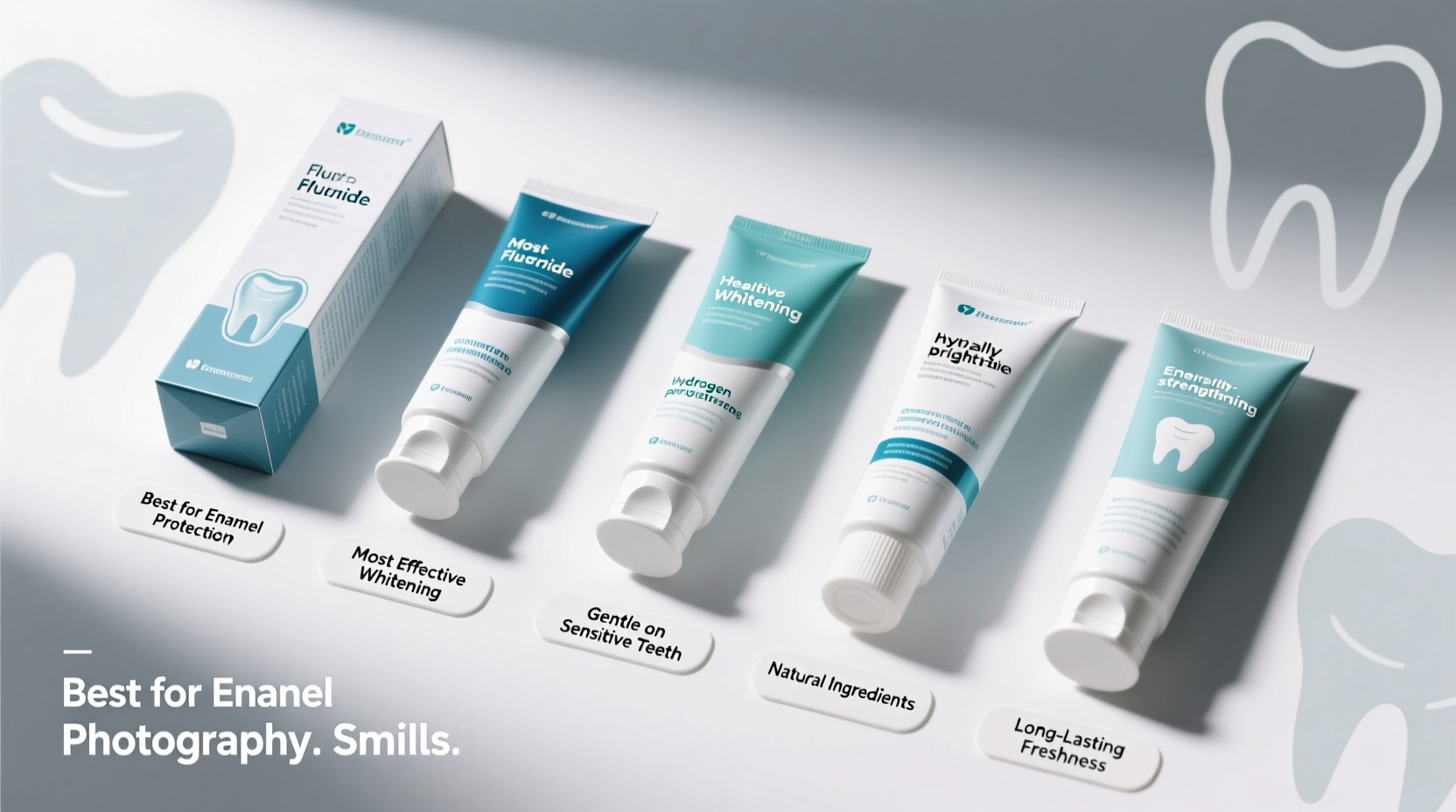
The effectiveness of a toothpaste hinges on its ingredients and how they interact with your unique oral environment. The American Dental Association (ADA) recommends looking for fluoride as a non-negotiable component. Fluoride strengthens enamel, reverses early signs of decay, and helps prevent cavities. Beyond fluoride, other active ingredients serve targeted purposes:
- Abrasive agents like hydrated silica gently remove surface stains without damaging enamel.
- Desensitizing compounds such as potassium nitrate block nerve signals that cause pain from hot or cold stimuli.
- Antibacterial agents like triclosan or stannous fluoride reduce plaque and gingivitis.
- Whitening additives including hydrogen peroxide or blue covarine create optical illusions of brightness or break down pigments over time.
Equally important is avoiding harmful ingredients. Some toothpastes contain sodium lauryl sulfate (SLS), which can irritate soft tissues and trigger canker sores in sensitive individuals. Artificial sweeteners and dyes offer no benefit and may pose long-term concerns for certain users.
Matching Toothpaste to Your Oral Health Goals
Your ideal toothpaste depends on your primary concern. Here’s how to align products with common objectives:
For Cavity Prevention
Fluoride is essential. Look for concentrations between 1,000–1,500 ppm (parts per million). Children under six should use a pea-sized amount of lower-fluoride paste to avoid fluorosis.
For Teeth Whitening
Whitening toothpastes don’t change the natural color of teeth but can remove surface stains caused by coffee, tea, wine, or smoking. Choose those with mild abrasives and polishing agents. For noticeable results, consistency matters—most require four to six weeks of daily use.
For Sensitive Teeth
If cold air or ice cream sends jolts through your teeth, opt for desensitizing formulas. These often contain potassium nitrate or strontium chloride, which gradually seal dentinal tubules. Improvement typically appears after two to four weeks.
For Gum Health
Gum disease affects nearly half of adults over 30. Toothpastes with stannous fluoride or triclosan help reduce inflammation and bacterial buildup along the gumline. Pair with proper flossing for maximum impact.
For Natural or Minimalist Preferences
Natural toothpastes often replace fluoride with alternatives like hydroxyapatite, which mimics natural enamel and supports remineralization. While promising, not all natural brands meet ADA standards, so research is critical.
“Patients who switch to fluoride-free pastes without understanding the risks often see increased decay within months.” — Dr. Lena Torres, Preventive Dentistry Specialist
Comparison Table: Top Toothpaste Types at a Glance
| Type | Best For | Key Ingredients | Avoid If… |
|---|---|---|---|
| Fluoride-Based | Cavity prevention, general protection | Sodium fluoride, stannous fluoride | You have young children (use child-safe versions) |
| Whitening | Surface stain removal | Hydrated silica, blue covarine, peroxide | You have thin enamel or high sensitivity |
| Sensitive Teeth | Pain relief from temperature changes | Potassium nitrate, strontium acetate | You need immediate results (takes time to work) |
| Natural/Fluoride-Free | Chemical-free lifestyle | Hydroxyapatite, xylitol, baking soda | You’re at high risk for cavities |
| Tartar Control | Preventing hardened plaque buildup | Pyrophosphates, zinc citrate | You already have significant tartar (requires professional cleaning) |
Step-by-Step Guide to Choosing Your Ideal Toothpaste
- Evaluate your current oral health. Are you prone to cavities? Do your gums bleed when brushing? Is sensitivity affecting your diet?
- Identify your top goal. Prioritize either whitening, sensitivity relief, gum protection, or cavity prevention.
- Read labels carefully. Check for fluoride, abrasive levels, and presence of SLS or artificial additives.
- Look for the ADA Seal. This ensures third-party validation of claims and safety.
- Try one product consistently for at least four weeks. Many benefits take time to manifest.
- Reassess with your dentist. During routine cleanings, ask for feedback on enamel condition and gum health.
Real-World Example: How Sarah Improved Her Smile in Six Weeks
Sarah, a 34-year-old teacher, struggled with yellowing teeth despite regular brushing. She drank two cups of coffee daily and noticed increasing sensitivity to cold drinks. After consulting her hygienist, she switched from a popular natural brand to an ADA-approved fluoride toothpaste with gentle whitening agents and potassium nitrate. She brushed twice daily using a soft-bristled electric toothbrush and avoided rinsing immediately after brushing to prolong fluoride contact. Within three weeks, sensitivity decreased significantly. By week six, her partner commented on her brighter smile. At her next dental visit, she received praise for improved gum health and no new cavities.
Frequently Asked Questions
Can I use whitening toothpaste every day?
Yes, if it’s formulated for daily use and carries the ADA Seal. However, if you experience increased sensitivity or gum irritation, scale back to every other day or switch to a gentler formula.
Is fluoride safe for long-term use?
Yes. Decades of research support fluoride’s safety and effectiveness when used as directed. Community water fluoridation is considered one of the top public health achievements of the 20th century.
Do natural toothpastes really work?
Some do—particularly those containing nano-hydroxyapatite, which has shown comparable remineralization effects to fluoride in clinical studies. However, many lack rigorous testing, so verify claims and consult your dentist if you're considering a switch.
Final Checklist Before You Buy
- ☑ Contains fluoride (unless medically advised otherwise)
- ☑ Has the ADA Seal of Acceptance
- ☑ Matches your primary oral health concern
- ☑ Free from ingredients that irritate your mouth (e.g., SLS)
- ☑ Recommended or approved by your dentist
Take Charge of Your Smile Today
Your toothpaste isn't just a cleaning agent—it's a preventive tool that influences the long-term health and appearance of your teeth. By understanding what ingredients matter and aligning your choice with your personal needs, you empower yourself to maintain a strong, bright, and confident smile. Don’t guess what might work; make an informed decision based on science, expert guidance, and consistent habits. Schedule a conversation with your dentist during your next visit, bring the tube you’re currently using, and discuss whether it’s truly serving your goals. Small changes today can lead to lasting oral health benefits for years to come.




 浙公网安备
33010002000092号
浙公网安备
33010002000092号 浙B2-20120091-4
Comments
No comments yet. Why don't you start the discussion?