
Sailing offers a unique blend of adventure, skill-building, and connection with nature. For beginners and casual enthusiasts, starting with the right sailing dinghy is essential. A well-chosen dinghy can transform early experiences from frustrating to exhilarating, laying the foundation for lifelong enjoyment on the water. Unlike larger yachts, dinghies are lightweight, affordable, and responsive—making them ideal for learning the fundamentals of wind, balance, and navigation. But with so many models available, how do you pick the one that suits your goals, skill level, and local conditions?
Understanding Dinghy Sailing: Why It’s Perfect for Beginners
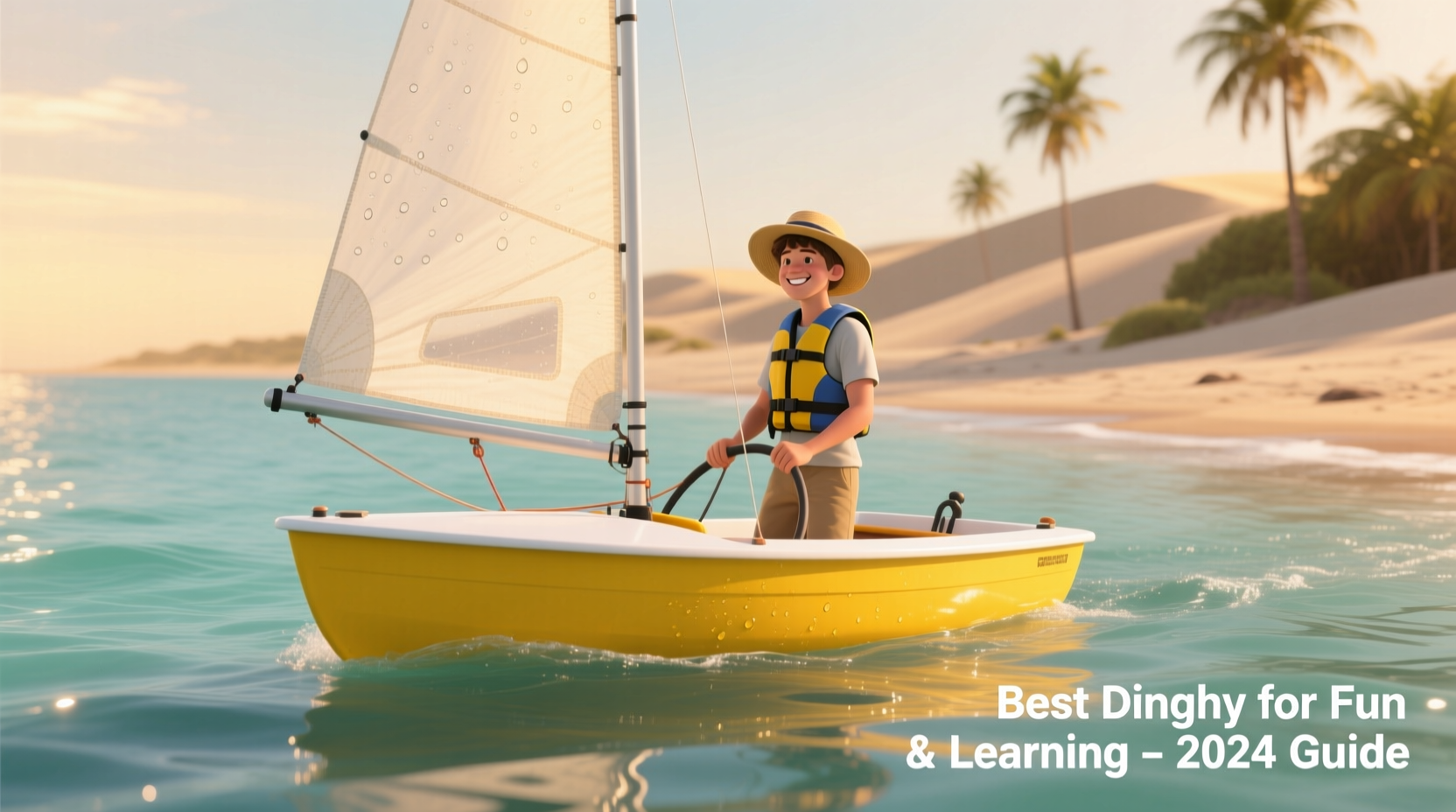
Dinghies typically range from 8 to 20 feet in length and are designed to be sailed close to shore. Their simplicity makes them accessible: no engine, minimal rigging, and easy transport. They respond directly to wind and crew movement, which teaches crucial skills like weight distribution, sail trim, and capsize recovery.
For new sailors, this immediacy is a benefit, not a drawback. You feel every gust and luff, helping you develop an intuitive sense of how sails interact with the wind. Many sailing schools use dinghies precisely because they offer hands-on learning in real-time. And when chosen wisely, they’re also forgiving enough to build confidence without overwhelming the novice.
Key Features to Consider When Choosing a Dinghy
Selecting the best dinghy isn’t just about size or price. Several design elements affect safety, ease of use, durability, and fun factor. Here are the most important features to evaluate:
- Stability: Wider hulls and flatter bottoms provide greater initial stability, making them less likely to tip during boarding or in light winds.
- Weight: Lighter boats (under 100 lbs) are easier to launch, carry, and recover after a capsize.
- Rig Type: Fractional rigs are simpler and more manageable than full-batten setups, especially for solo sailors or beginners.
- Cockpit Layout: Open cockpits allow quick drainage and easy access; self-bailing systems add convenience.
- Portability: Consider whether the boat fits on a car roof rack or trailer. Some fold or disassemble for storage.
- Single vs. Double Handed: Single-handed dinghies teach independence; two-person models encourage teamwork and are great for parent-child instruction.
“Learning on a stable, durable dinghy builds confidence faster. The right boat doesn’t fight you—it teaches you.” — Captain Lena Torres, Youth Sailing Program Director
Top Beginner-Friendly Dinghies Compared
| Model | Length | Weight | Capacity | Best For | Notable Feature |
|---|---|---|---|---|---|
| Optimist (Opti) | 7' 9\" | 75 lbs | 1 (usually under 16) | Youth training | Global class; thousands used in junior programs |
| Laser Pico | 11' 6\" | 99 lbs | 1–2 | Families & beginners | Easily rigged, roomy cockpit |
| Sunfish | 13' 10\" | 100 lbs | 1–2 | Recreational sailing | Durable, simple lateen sail |
| RS Tera | 9' 10\" | 77 lbs | 1 (kids/teens) | Youth progression | Adjustable rig for growth stages |
| Topper | 11' 10\" | 58 lbs | 1 | Teen/adult learners | Very light, easy to handle |
The Optimist remains the gold standard for children ages 8–15. Its small size and stable platform make it safe and manageable. Meanwhile, the Sunfish is a classic choice for adults seeking a relaxed yet authentic sailing experience. The Laser Pico stands out for its versatility—simple enough for solo beginners, spacious enough for two.
Step-by-Step Guide to Selecting Your First Dinghy
- Define Your Purpose: Are you teaching a child? Learning as an adult? Sailing with a partner? Match the boat to your primary goal.
- Assess Local Conditions: Calm lakes favor lighter, flatter-hulled boats. Windy coastal areas may require sturdier designs with better secondary stability.
- Check Accessibility: Can you launch from a beach, dock, or ramp? Will you need to trailer or cartop the boat?
- Test Before You Buy: Attend a community sailing event or rent different models. Feel how each handles tacking, capsizing, and righting.
- Budget for Extras: Factor in costs for a trailer, covers, oars, life jackets, and maintenance. Used boats can save money but inspect for hull cracks and mast wear.
- Join a Class or Club: Many organizations offer beginner fleets or loaner boats. This reduces upfront cost and connects you with mentors.
Real Example: How One Family Found the Right Fit
The Reynolds family lived near a small inland lake and wanted to introduce their two children (ages 10 and 13) to sailing. They initially considered a used Laser, known for its speed and responsiveness. After a trial session, however, they found it tippy and difficult to manage for younger sailors. Instead, they opted for a new RS Tera Sport with a rig adjusted for smaller crews. The boat’s bright colors excited the kids, and its stability allowed them to practice capsize recovery without fear. Within weeks, both children were sailing independently around buoys. The parents later added a second-hand Sunfish for weekend tandem outings. Starting with the right boat made all the difference in sustaining their interest.
Essential Checklist Before Purchase
- ☐ Determine primary user(s): child, adult, or duo?
- ☐ Confirm storage and transportation options
- ☐ Research local sailing clubs or rental centers
- ☐ Test-sail at least two models if possible
- ☐ Inspect used boats for hull integrity and sail condition
- ☐ Budget for safety gear (PFDs, whistle, bilge pump)
- ☐ Verify availability of spare parts and class support
Frequently Asked Questions
Can I learn to sail alone in a two-person dinghy?
Yes, but it’s more challenging. Boats like the Sunfish or Laser are designed for single-handed use. Two-person dinghies such as the 420 require balancing adjustments when sailed solo. Consider starting with a single-hander or taking lessons first.
How do I maintain a dinghy between uses?
Rinse with fresh water after each outing, especially in saltwater. Store upside down or under cover to prevent UV damage. Check ropes and fittings monthly for fraying or corrosion. Keep the sail dry and loosely folded.
Are inflatable dinghies suitable for learning?
Some modern inflatable sailboats (like the iFlite or SEAS boat) are surprisingly capable and stable. However, traditional hard-hull dinghies generally offer better performance and longevity for serious learners.
Conclusion: Set Sail with Confidence
Finding the best sailing dinghy for fun and learning means balancing practicality, safety, and enjoyment. Whether you're introducing a child to the wind or rediscovering play on the water as an adult, the right boat becomes a gateway to freedom and skill. Prioritize stability, simplicity, and accessibility—and don’t underestimate the value of trying before committing. With the right start, a single afternoon on the lake can spark a lifetime passion for sailing.




 浙公网安备
33010002000092号
浙公网安备
33010002000092号 浙B2-20120091-4
Comments
No comments yet. Why don't you start the discussion?