
In recent years, fitness trackers have evolved from simple step counters to advanced health monitors capable of measuring heart rate, sleep quality, stress levels, and even blood oxygen saturation (SpO2). As more devices include SpO2 sensors, a key question arises: is this feature genuinely useful, or just another marketing gimmick? For consumers deciding between premium models with blood oxygen monitoring and more affordable basic trackers, understanding the practical value of SpO2 data is essential. This article breaks down the differences, evaluates the science behind blood oxygen tracking, and helps you determine whether upgrading is worth the investment.
Understanding Blood Oxygen Monitoring in Fitness Trackers
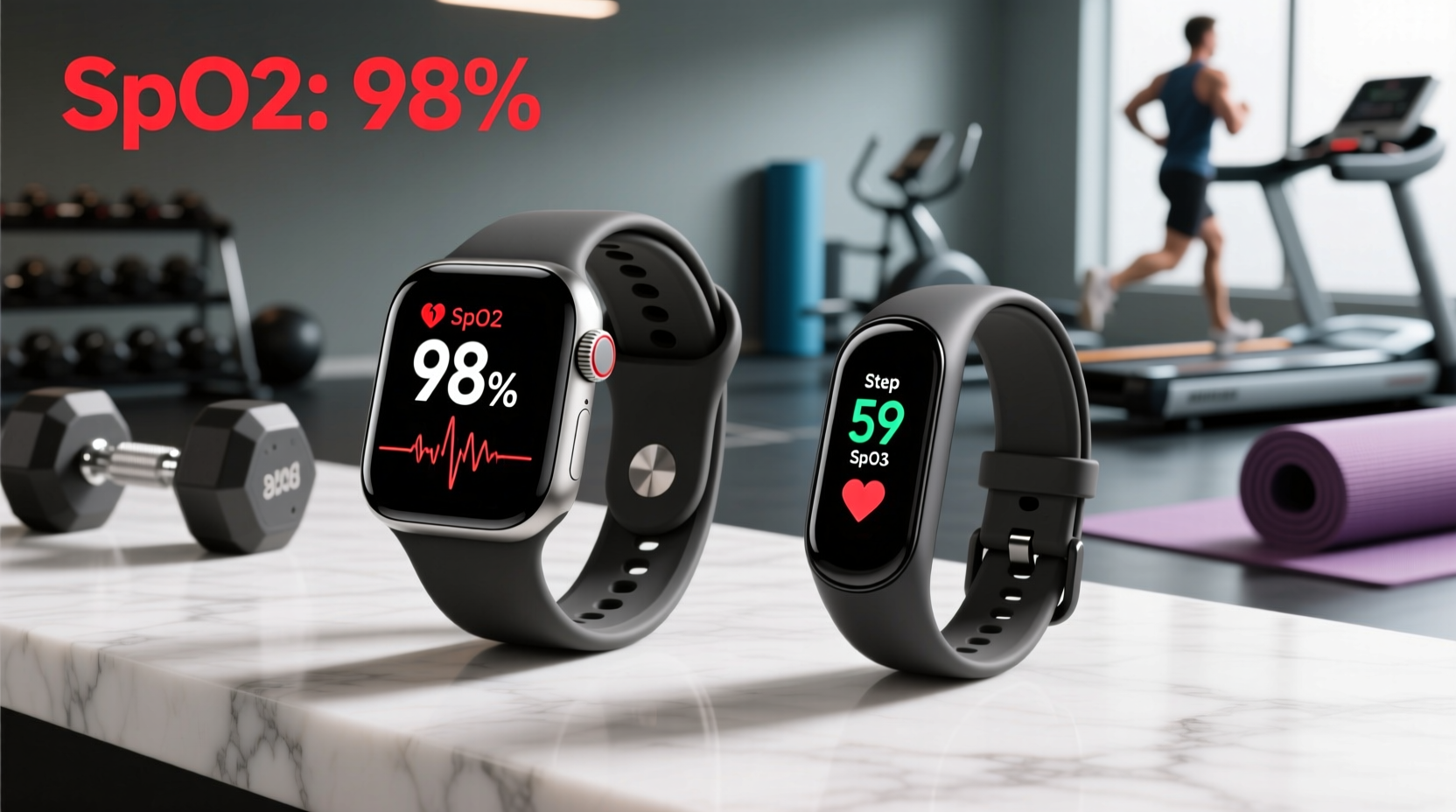
Blood oxygen saturation—commonly referred to as SpO2—measures the percentage of hemoglobin in your blood that’s carrying oxygen. Normal levels typically range between 95% and 100%. Values below 90% may indicate hypoxemia, a condition that can lead to fatigue, shortness of breath, and long-term organ damage if untreated.
Fitness trackers use a technology called photoplethysmography (PPG), where green and red light sensors shine through the skin to estimate oxygen levels based on how light is absorbed by oxygenated versus deoxygenated blood. While not as accurate as medical-grade pulse oximeters, wrist-based sensors offer a general trend analysis over time, especially during rest and sleep.
The primary use case for SpO2 monitoring in consumer wearables is overnight tracking. Many users experience undetected dips in oxygen during sleep, which could signal conditions like sleep apnea or poor respiratory function. Unlike continuous medical monitoring, wearable devices provide periodic snapshots, usually taken automatically during sleep or on-demand via manual measurement.
Key Differences: Advanced vs Basic Fitness Trackers
The core distinction between fitness trackers with SpO2 monitoring and basic models lies in sensor capabilities and health insights. Below is a comparison of typical features found in each category:
| Feature | Basic Models | Advanced Models (with SpO2) |
|---|---|---|
| Step Counting | ✔️ | ✔️ |
| Heart Rate Monitoring | ✔️ (basic PPG) | ✔️ (continuous, more refined) |
| Sleep Tracking | Basic stages (light/deep) | Detailed stages + SpO2 trends |
| Blood Oxygen (SpO2) | ❌ | ✔️ (nightly or on-demand) |
| Stress & HRV Monitoring | Limited or absent | ✔️ (often paired with SpO2 insights) |
| Altitude/Barometer | ❌ | ✔️ (useful at high elevations) |
| Price Range | $30–$80 | $100–$250+ |
While both types track movement and heart rate, advanced models offer deeper physiological insights. The inclusion of SpO2 enables detection of potential breathing disruptions during sleep, making them particularly valuable for individuals concerned about sleep quality or respiratory health.
When Blood Oxygen Monitoring Adds Real Value
For the average healthy user, occasional SpO2 checks may seem unnecessary. However, specific scenarios reveal tangible benefits:
- Sleep Apnea Screening: Repeated nighttime oxygen desaturations are a hallmark of obstructive sleep apnea. While not diagnostic, consistent low SpO2 patterns can prompt users to seek professional evaluation.
- High-Altitude Activities: Hikers and mountaineers benefit from SpO2 tracking, as oxygen levels drop at elevation. Monitoring helps assess acclimatization and detect early signs of altitude sickness.
- Post-Illness Recovery: After respiratory infections like pneumonia or COVID-19, some people experience lingering oxygen desaturation. A tracker can help monitor recovery progress.
- Athletic Performance Optimization: Endurance athletes use SpO2 trends to evaluate training load and recovery, especially when combining metrics like HRV and resting heart rate.
“Wearable SpO2 data won’t replace clinical tools, but it empowers individuals with longitudinal insights they wouldn’t otherwise have access to.” — Dr. Lena Patel, Pulmonologist and Digital Health Researcher
Mini Case Study: Identifying Sleep Disruptions Early
Mark, a 42-year-old software engineer, used a basic fitness tracker for years to monitor steps and sleep duration. After switching to a model with SpO2 monitoring, he noticed recurring oxygen dips below 90% during the night. Though he didn’t feel excessively tired, the data prompted him to consult a sleep specialist. A subsequent sleep study confirmed mild obstructive sleep apnea. With a CPAP machine, his sleep quality improved dramatically—and so did his daytime focus and energy. Without the SpO2 alert, the condition might have gone unnoticed for years.
Limitations and Misconceptions
Despite its advantages, SpO2 monitoring in fitness trackers has limitations:
- Accuracy Variability: Skin tone, tattoos, motion, and device fit can affect readings. Studies show darker skin pigmentation may reduce PPG accuracy due to higher melanin absorption.
- Snapshot vs Continuous Data: Most wearables take spot checks rather than continuous monitoring, potentially missing brief but significant desaturations.
- False Alarms: Occasional low readings aren’t always clinically relevant. Anxiety over minor fluctuations can lead to unnecessary concern.
- No Diagnostic Capability: These devices don’t diagnose medical conditions. They serve as screening tools, not replacements for medical testing.
Additionally, many users misunderstand what SpO2 values mean. A single reading of 93% while sitting still isn’t alarming—but if it drops repeatedly during sleep, it warrants attention. Context matters more than isolated numbers.
Step-by-Step Guide: Evaluating If You Need SpO2 Monitoring
Deciding whether to invest in a fitness tracker with blood oxygen monitoring depends on your health goals and lifestyle. Follow this sequence to make an informed choice:
- Assess Your Health Profile: Do you snore heavily, wake up gasping, or feel fatigued despite adequate sleep? These may be signs of breathing issues worth investigating.
- Consider Lifestyle Factors: Are you frequently at high altitudes, recovering from illness, or training intensely? SpO2 adds value in these contexts.
- Review Current Tracker Capabilities: If your existing device lacks detailed sleep analysis or heart rate variability tracking, upgrading may offer broader benefits beyond just SpO2.
- Check Compatibility and App Features: Ensure the new device integrates with your smartphone and offers clear, actionable insights—not just raw data.
- Weigh Cost vs. Benefit: Determine whether the added health insights justify the price difference. For some, peace of mind and early warnings are worth the premium.
Expert Recommendations and Practical Checklist
Health professionals increasingly acknowledge the role of consumer wearables in preventive care. While not substitutes for medical devices, they promote health awareness and encourage proactive behavior.
“Patients who track their SpO2 often become more engaged in their respiratory health. That engagement leads to earlier consultations and better outcomes.” — Dr. Rajiv Mehta, Cardiologist and Wearable Tech Advisor📋 **Checklist: Should You Upgrade to a Tracker with SpO2?**
- ☐ I experience frequent fatigue or unrefreshing sleep
- ☐ I snore or have been told I stop breathing during sleep
- ☐ I live or travel regularly above 5,000 feet elevation
- ☐ I’m recovering from a respiratory illness
- ☐ I’m an endurance athlete optimizing performance
- ☐ My current tracker lacks detailed sleep or recovery metrics
- ☐ I want holistic health insights beyond step counting
If three or more apply, a model with SpO2 monitoring is likely a worthwhile upgrade.
Frequently Asked Questions
Can fitness trackers accurately measure blood oxygen?
They provide reasonable estimates under optimal conditions but are less accurate than medical pulse oximeters. Factors like skin tone, motion, and device fit influence results. Use them for trend analysis, not precise diagnosis.
Is SpO2 monitoring necessary for general fitness?
Not essential, but beneficial for those focused on recovery, sleep quality, or respiratory health. Casual users may find value in long-term trends, but basic trackers suffice for step and calorie tracking.
Do all premium fitness trackers include SpO2?
Most do—especially models from Garmin, Fitbit, Apple, Samsung, and Whoop. However, always verify specifications, as some budget “smart” bands advertise SpO2 without reliable implementation.
Conclusion: Making the Right Choice for Your Needs
The decision between a fitness tracker with blood oxygen monitoring and a basic model ultimately hinges on your personal health priorities. For casual users focused on daily activity and motivation, a simpler, more affordable tracker delivers excellent value. But for those interested in sleep quality, recovery optimization, or early detection of breathing irregularities, SpO2 monitoring adds meaningful insight.
Technology should serve health, not complicate it. A device that provides actionable, understandable data—like consistent overnight oxygen trends—can be a powerful ally in maintaining wellness. On the other hand, extra features without purpose only add cost and cognitive load.
Before upgrading, ask yourself: Will this data change my behavior or improve my well-being? If the answer is yes, investing in a tracker with SpO2 makes sense. If not, stick with what works. The best fitness tool is the one you use consistently—and understand fully.




 浙公网安备
33010002000092号
浙公网安备
33010002000092号 浙B2-20120091-4
Comments
No comments yet. Why don't you start the discussion?