
Bath mats are more than just functional—they set the tone for your bathroom’s comfort and style. But with growing awareness around material safety, sustainability, and personal wellness, many homeowners are reevaluating their choices. One long-standing debate centers on flannel versus PVC bath mats. While flannel has surged in popularity for its softness and eco-friendly appeal, PVC remains a staple in budget-friendly and moisture-resistant options. So, does anyone still use PVC bath mats? The answer isn’t as simple as yes or no—it depends on priorities like safety, durability, texture, and environmental impact.
The Rise of Flannel Bath Mats
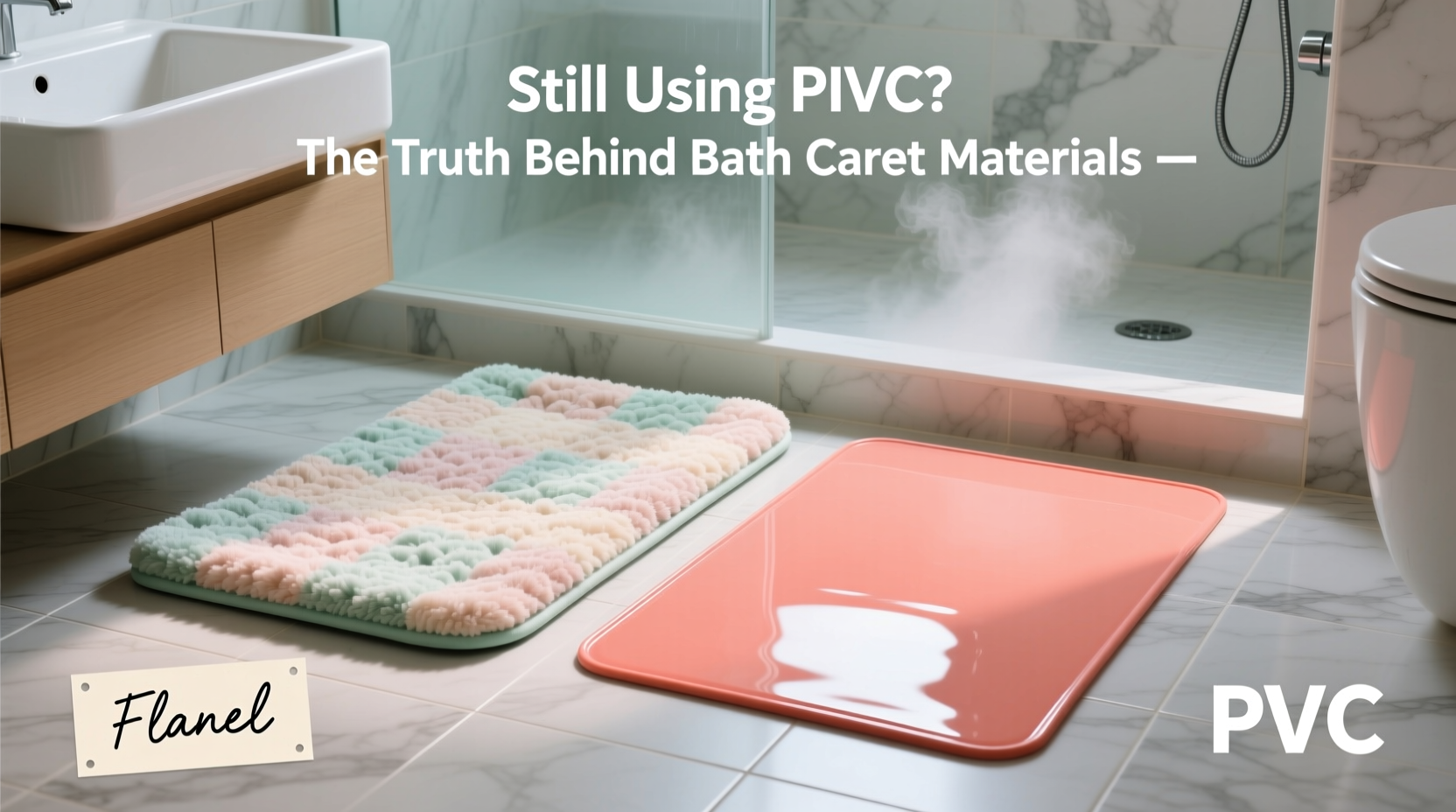
Flannel bath mats have gained favor among those seeking a cozy, hotel-like experience at home. Typically made from cotton or microfiber with a brushed finish, flannel mats offer plush comfort underfoot. They’re lightweight, machine-washable, and available in a wide range of colors and patterns, making them ideal for modern, minimalist, or rustic bathrooms alike.
What sets flannel apart is its breathability and absorbency. Unlike synthetic materials that trap moisture, flannel wicks water away from the surface, reducing the risk of mildew when properly dried. Many brands now market flannel mats as hypoallergenic and safe for sensitive skin, appealing to health-conscious consumers.
PVC Bath Mats: Still in the Game?
Polyvinyl chloride (PVC) bath mats have been a common household item for decades. Known for their durability, waterproof backing, and non-slip properties, they’ve traditionally been a go-to for households with children, elderly individuals, or slippery tile floors. The rubberized base grips tightly to surfaces, minimizing slip hazards—a major selling point for safety-focused buyers.
But concerns about PVC have grown. When manufactured, PVC can release harmful chemicals like dioxins. Some lower-quality mats may contain phthalates—plasticizers linked to endocrine disruption—which can off-gas over time, especially in warm, humid environments like bathrooms. While not all PVC mats contain these additives, the stigma persists, particularly among eco-conscious shoppers.
“While modern PVC production has improved, we still recommend avoiding it in homes with young children or individuals with respiratory sensitivities.” — Dr. Lena Torres, Environmental Health Researcher at Green Living Institute
Despite these concerns, PVC mats remain widely used. Their affordability, ease of cleaning (often requiring only a wipe-down), and resistance to mold make them practical for high-traffic bathrooms or rental properties. Major retailers continue to stock PVC options, and customer reviews often praise their longevity and grip.
Comparing Flannel and PVC: A Side-by-Side Analysis
| Feature | Flannel Bath Mat | PVC Bath Mat |
|---|---|---|
| Material | Cotton or microfiber (brushed) | Polyvinyl chloride (synthetic plastic) |
| Texture | Soft, plush, warm | Firm, slightly rubbery, cold underfoot |
| Water Resistance | Absorbent; needs drying after use | Non-absorbent; water beads on surface |
| Non-Slip Base | Sometimes with latex or rubber dots | Full rubberized backing; superior grip |
| Cleaning | Machine washable | Wipe clean; not machine washable |
| Lifespan | 1–3 years (with proper care) | 3–5+ years (resists wear and tear) |
| Eco-Friendliness | Biodegradable (cotton); recyclable (microfiber) | Non-biodegradable; difficult to recycle |
| Price Range | $15–$40 | $8–$25 |
Real-World Use Case: Two Households, Two Choices
In Portland, Oregon, Sarah Kim, a mother of two toddlers, switched from flannel to a high-quality PVC-free rubber mat after her child slipped on a wet cotton rug. “I loved how soft the flannel felt, but it shifted every time someone stepped on it. Now we use a textured TPE mat—safe, grippy, and easy to hose down. It’s not fluffy, but it keeps my kids safe.”
Meanwhile, in Austin, Texas, designer Mark Liu uses premium flannel mats in his clients’ master bathrooms. “It’s about sensory luxury,” he explains. “People want to step onto something warm and inviting. We pair flannel mats with heated floors and fast-drying tiles to mitigate moisture issues. With the right setup, flannel works beautifully.”
These examples illustrate that context matters. For families prioritizing safety and low maintenance, PVC or PVC alternatives dominate. For those focused on comfort and aesthetics, flannel wins—provided there’s a plan for moisture control.
Are People Still Using PVC?
Yes—many people still use PVC bath mats, though usage is shifting. Market data from 2023 shows that PVC still holds around 35% of the U.S. bath mat market, particularly in value-oriented and commercial segments. However, growth is strongest in natural fiber and eco-alternative categories, with flannel, bamboo, and recycled polyester gaining traction.
The key trend isn’t outright rejection of PVC, but increased scrutiny. Consumers now look for labels like “phthalate-free,” “low-VOC,” or “PVC-free” alternatives such as TPE (thermoplastic elastomer) or natural rubber. These materials offer similar slip resistance without the chemical concerns, bridging the gap between safety and sustainability.
Choosing the Right Mat: A Practical Checklist
- ✅ Assess your bathroom’s flooring—smooth tile may need stronger grip than textured stone.
- ✅ Consider household members—are there kids, seniors, or mobility concerns?
- ✅ Prioritize material safety—look for third-party certifications like OEKO-TEX or Greenguard.
- ✅ Think about maintenance—do you prefer machine washing or quick wipe-downs?
- ✅ Match the mat to your decor—flannel offers more color variety; PVC often comes in basic solids.
- ✅ Evaluate ventilation—poor airflow favors non-absorbent mats like PVC or rubber.
Frequently Asked Questions
Is PVC toxic in bath mats?
Not all PVC mats are toxic, but some contain phthalates or emit volatile organic compounds (VOCs), especially when new. Opt for phthalate-free or third-party tested products if choosing PVC. Better yet, consider safer alternatives like natural rubber or TPE.
Can flannel bath mats be non-slip?
Yes, many flannel mats come with anti-slip backings made from latex, silicone, or rubber dots. However, their grip is generally less aggressive than full PVC bases. Ensure the mat lies flat and is used on dry, clean flooring for best results.
How do I prevent mold in flannel bath mats?
Hang the mat to dry after each use, wash it weekly, and avoid leaving it bunched up. Use a quick-dry underlay or place it near a vent. Microfiber flannel tends to resist mold better than cotton due to faster drying times.
Making the Decision That Works for You
The choice between flannel and PVC isn’t about which is universally better—it’s about aligning the mat with your lifestyle, values, and bathroom environment. Flannel excels in comfort and aesthetics, ideal for primary bathrooms where luxury and softness matter. PVC remains relevant for its unmatched grip and durability, especially in shared or safety-critical spaces.
Yet the future lies in innovation. Materials like TPE, natural rubber, and recycled textiles are rising as hybrids that deliver safety, sustainability, and comfort. As consumer demand pushes manufacturers toward transparency and cleaner production, the line between “practical” and “healthy” continues to blur—in a good way.
“The best bath mat is one that supports both your well-being and your peace of mind.” — Clara Nguyen, Sustainable Home Consultant
Final Thoughts
So, does anyone still use PVC bath mats? Yes—but increasingly, they’re being chosen with caution or replaced altogether. Flannel has earned its place as a favorite for comfort seekers, while eco-smart synthetics are stepping in to fill the performance gap without the baggage.
No single material fits all. Whether you prioritize plushness, safety, ease of cleaning, or environmental impact, the key is informed choice. Read labels, consider your household’s needs, and don’t hesitate to mix materials across different bathrooms.




 浙公网安备
33010002000092号
浙公网安备
33010002000092号 浙B2-20120091-4
Comments
No comments yet. Why don't you start the discussion?