
For many people living with epilepsy, certain environmental stimuli can provoke seizures. Among the most well-documented and potentially dangerous triggers is exposure to flashing or flickering lights—a phenomenon known as photosensitive epilepsy. Though it affects a relatively small percentage of those with epilepsy, its impact can be severe and sudden. Understanding how and why flashing lights act as a trigger is essential not only for individuals managing the condition but also for educators, employers, content creators, and public space designers.
Photosensitivity doesn't just occur in dramatic situations like strobe-lit nightclubs. It can be activated by everyday sources: digital screens, sunlight through trees, malfunctioning fluorescent lights, or even fast-moving video game sequences. Awareness and proactive management are key to minimizing risks and ensuring safety in both private and public environments.
What Is Photosensitive Epilepsy?
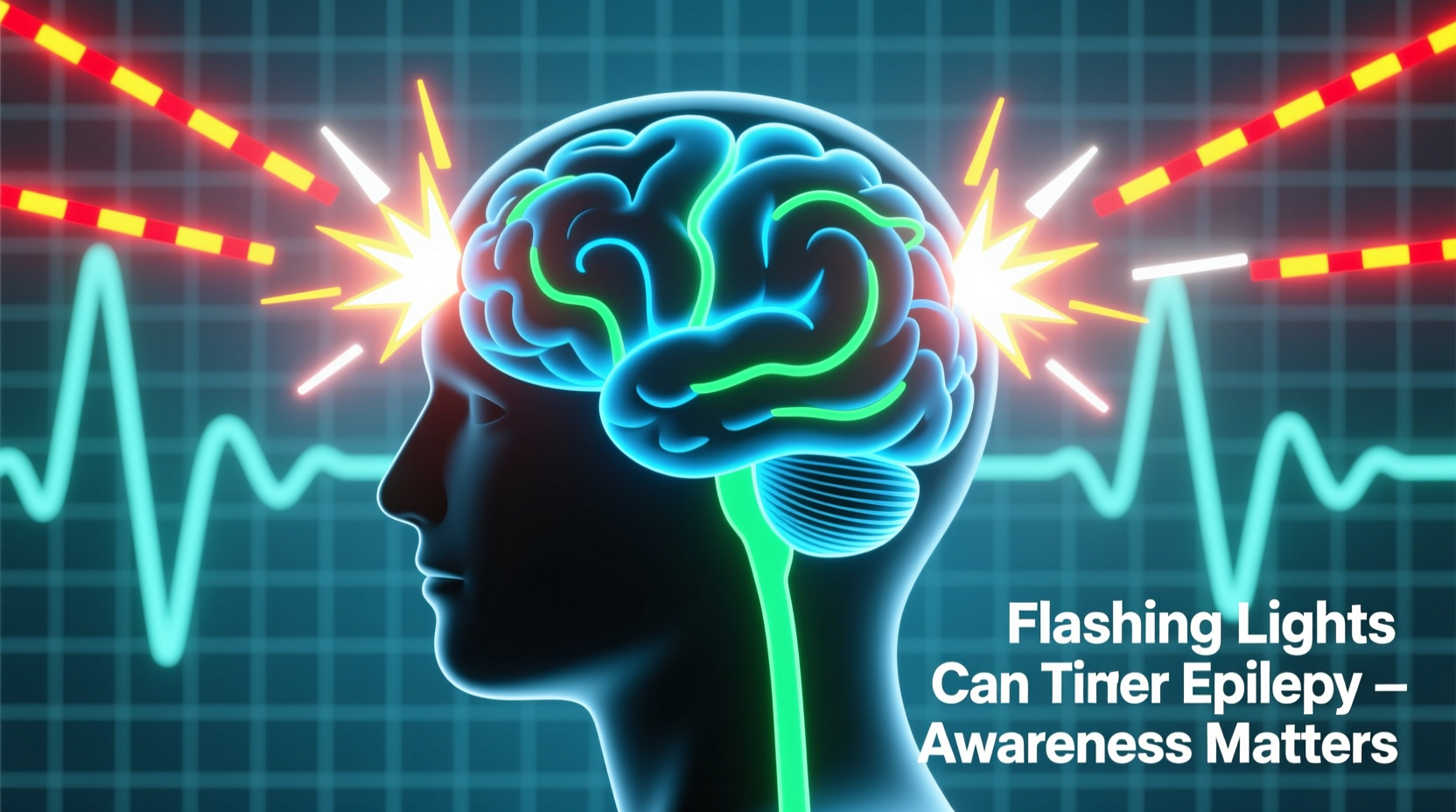
Photosensitive epilepsy (PSE) is a form of reflex epilepsy in which seizures are triggered by visual stimuli that form patterns in time or space—most commonly, flashing lights or contrasting light and dark patterns. It affects approximately 3% to 5% of people with epilepsy, and it is more prevalent among children and adolescents, particularly those between the ages of 7 and 19.
The brain’s neurons become hyperexcitable when exposed to specific frequencies of light. Studies show that flashing lights between 3 and 60 hertz (flashes per second), especially around 15–20 Hz, pose the highest risk. These frequencies can disrupt normal electrical activity in the brain, leading to a seizure. The occipital lobe, responsible for processing visual information, is often the starting point of such seizures.
“About 5% of patients with generalized epilepsy have photosensitive seizures. The sensitivity can be so precise that changing the flicker rate by just one hertz may prevent or provoke a seizure.” — Dr. John E. Penry, Neurologist and Epilepsy Research Pioneer
Common Triggers and High-Risk Environments
While strobe lights at concerts or emergency vehicle sirens might seem obvious, many triggers are subtle or embedded in daily routines. Below is a breakdown of common sources of problematic visual stimuli:
- Digital screens: Rapidly flashing animations, autoplay videos, or high-contrast scrolling content on websites and apps.
- Video games: Fast-paced action scenes with bright explosions, flickering effects, or intense color transitions.
- Television and film: Special effects, rapid editing, or poorly designed title sequences.
- Natural environments: Sunlight filtering through trees while driving or walking, creating a stroboscopic effect.
- Lighting fixtures: Flickering fluorescent bulbs, LED strobes, or faulty dimmer switches.
- Industrial settings: Rotating machinery, conveyor belts with repeating patterns, or warning lights.
Recognizing the Warning Signs
Not all reactions to flashing lights lead immediately to full seizures. Some individuals experience pre-seizure symptoms, known as auras, which may include:
- Visual disturbances (e.g., seeing spots, zigzags, or bright flashes)
- Dizziness or disorientation
- Sudden headache or nausea
- Muscle twitching, especially in the face or hands
- A feeling of “jitteriness” or mental fog
If any of these signs appear during or after exposure to flickering lights, it's critical to remove the person from the environment and seek medical evaluation. In some cases, absence seizures—brief lapses in awareness—can occur without convulsions, making them easy to miss.
How to Reduce Risk: A Practical Checklist
Managing photosensitive epilepsy involves both avoidance strategies and environmental adjustments. Use this checklist to minimize exposure and enhance safety:
- Test digital content using tools like the WCAG 2.1 guidelines to ensure no element flashes more than three times per second.
- Enable motion-reduction and reduced animation settings on smartphones and computers.
- Use polarized sunglasses outdoors to reduce flicker from sunlight patterns.
- Replace flickering or buzzing fluorescent lights with steady LED alternatives.
- Watch TV or play games in a well-lit room to reduce contrast stress on the eyes.
- Take regular breaks from screens—follow the 20-20-20 rule: every 20 minutes, look at something 20 feet away for 20 seconds.
- Inform teachers, employers, or event organizers about photosensitivity needs.
Real-World Example: The Pokémon Incident
In December 1997, a now-infamous episode of the animated series *Pokémon*, titled “Dennō Senshi Porygon” (*Electric Soldier Porygon*), triggered seizures in nearly 700 Japanese children. The episode featured a sequence where red and blue lights flashed rapidly—approximately 12 flashes per second—for about five seconds. Emergency rooms were flooded with children experiencing convulsions, dizziness, and vomiting.
This incident led to widespread changes in broadcasting standards. Japan’s television networks implemented strict rules limiting flash frequency and brightness contrast in animated content. The World Wide Web Consortium (W3C) later referenced this case when developing web accessibility guidelines under the Web Content Accessibility Guidelines (WCAG). It remains a pivotal example of how seemingly innocuous visual design can have serious neurological consequences.
Do’s and Don’ts: Managing Flashing Light Exposure
| Do’s | Don’ts |
|---|---|
| Use screen filters or blue-light blocking glasses | Stare directly at strobe lights or flickering screens |
| Adjust monitor refresh rates to 75 Hz or higher | Play fast-paced video games in dark rooms |
| Inform schools or workplaces about your condition | Ignore early warning signs like visual distortions |
| Choose lighting with low flicker index (<10%) | Use damaged or flickering bulbs |
| Follow prescribed medication and neurologist advice | Assume all LED lights are safe—some pulse rapidly |
FAQ: Common Questions About Flashing Lights and Epilepsy
Can flashing lights cause epilepsy?
No, flashing lights do not cause epilepsy. However, they can trigger seizures in individuals who already have an underlying tendency toward seizures, particularly those with generalized epilepsy. Photosensitivity is a provocation, not a root cause.
Are all people with epilepsy affected by flashing lights?
No. Only about 3% to 5% of people with epilepsy have photosensitive seizures. Most individuals with epilepsy are not sensitive to light stimuli. Diagnosis typically requires an EEG test with photic stimulation to confirm sensitivity.
How can I make my website or content safer?
To ensure accessibility, follow WCAG 2.1 Level A and AA guidelines: avoid content that flashes more than three times per second, provide warnings before flashing content, and offer options to pause or stop animations. Tools like the WAVE Evaluation Tool can help audit your site for potential risks.
Conclusion: Taking Control Through Awareness
Flashing lights and epilepsy are linked in ways that demand attention—from personal habits to public policy. While photosensitive epilepsy is relatively rare, its potential consequences are significant. By recognizing triggers, implementing preventive measures, and advocating for inclusive design in media and environments, we can create safer spaces for everyone.
Whether you're managing the condition yourself, supporting someone who does, or designing digital experiences, small changes can prevent serious outcomes. Prioritize eye comfort, respect individual sensitivities, and stay informed about evolving safety standards.




 浙公网安备
33010002000092号
浙公网安备
33010002000092号 浙B2-20120091-4
Comments
No comments yet. Why don't you start the discussion?