
Garlic compound butter is one of the most versatile, flavorful enhancements a home cook can master. It transforms ordinary dishes into restaurant-quality meals with minimal effort. Whether spread on warm baguettes, melted over grilled ribeye, or folded into mashed potatoes, this compound butter delivers an aromatic punch and rich mouthfeel that elevates any savory dish. Unlike plain butter, which adds only fat and creaminess, a well-crafted garlic compound mix introduces depth, complexity, and a signature touch of culinary finesse.
The appeal lies in its simplicity: real butter combined with concentrated garlic flavor, often enhanced with herbs, salt, acidity, and umami-rich elements. The result is a pantry staple that bridges everyday cooking and gourmet presentation. This article explores what garlic compound butter is, how to formulate it effectively, its variations, proper usage techniques, and how it compares to similar ingredients—all from the perspective of a professional chef and food educator focused on practical excellence.
Definition & Overview
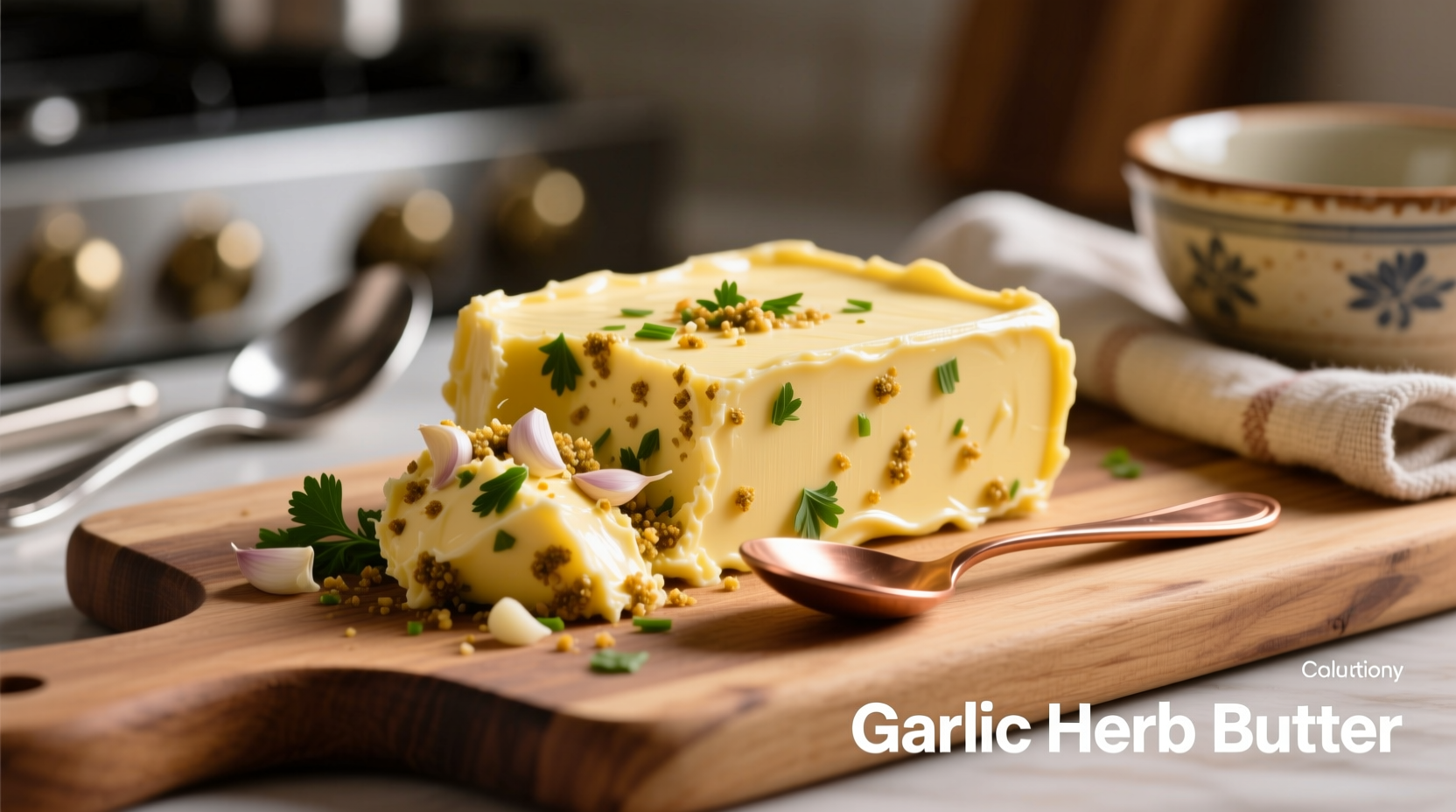
A flavored butter with garlic compound mix refers to unsalted butter blended with garlic (fresh, powdered, or roasted), along with complementary seasonings such as parsley, chives, lemon zest, black pepper, anchovy paste, or Parmesan cheese. The term “compound” indicates that multiple ingredients are incorporated into softened butter, then chilled or frozen for later use. These butters serve both functional and expressive roles in cooking—they enhance flavor while offering precise control over seasoning during or after preparation.
Historically rooted in French cuisine (beurre composé), compound butters have long been used by chefs to finish dishes without diluting texture. Garlic-based versions became especially popular in Mediterranean and American steakhouse traditions, where they're draped over hot proteins to melt slowly, releasing layers of aroma and taste. Today, garlic compound butter appears in supermarket freezer sections, restaurant kitchens, and artisanal food lines—but homemade versions remain superior in freshness, balance, and customization.
The core principle behind a successful garlic compound butter is harmony: the garlic must be prominent but not overpowering; the butter should carry the flavors cleanly without greasiness; and supporting ingredients must complement rather than compete. When properly balanced, this condiment functions as both a finishing agent and a building block for more complex dishes.
Key Characteristics
| Characteristic | Description |
|---|---|
| Flavor Profile | Savory, pungent garlic base with creamy richness; modifiable with herbal, citrusy, or umami notes depending on additions. |
| Aroma | Immediate roasted or raw garlic scent, often brightened by fresh herbs or lemon peel. |
| Color & Form | Pale yellow to golden, sometimes flecked with green herbs or browned garlic bits; typically formed into logs, pats, or stored in tubs. |
| Heat Level | None unless chili flakes or hot paprika are added; garlic itself provides sharpness, not spiciness. |
| Culinary Function | Finishing butter (applied at end of cooking); also used as a basting fat, filling, or sauce base. |
| Shelf Life | Up to 7 days refrigerated, up to 6 months frozen if tightly wrapped to prevent oxidation. |
| Fat Content | ~80% fat (from butter), making it energy-dense and ideal for carrying fat-soluble flavor compounds. |
Practical Usage: How to Use Garlic Compound Butter
Garlic compound butter shines when applied thoughtfully. Its primary strength lies in delivering intense flavor at the final stage of cooking, preserving volatile aromatics that would otherwise dissipate under high heat. Below are proven applications across home and professional settings:
1. As a Finishing Agent for Proteins
Place a pat (½–1 oz) of chilled compound butter atop grilled or seared meats just before serving. The residual heat melts the butter gradually, allowing it to pool around the protein while enriching both surface and plate. Ideal for:
- Steaks (ribeye, strip, filet mignon)
- Pork chops
- Roasted chicken breasts
- Grilled lamb chops
“Finishing a steak with garlic-herb butter isn’t about masking flavor—it’s about enhancing what’s already there. The butter softens the char, integrates juices, and rounds out the umami.” — Executive Chef Marco Tullio, Culinary Institute of the Rockies
2. In Seafood Preparation
Baste shellfish or delicate fish fillets with melted garlic butter during cooking. For shrimp scampi or lobster tails, spoon warm compound butter over the top during the last two minutes of grilling or broiling. Alternatively, stuff halibut steaks or whole trout with rolls of compound butter before baking.
3. Bread Enhancement
Slice a log of frozen garlic compound butter and place rounds on warm sourdough, ciabatta, or cornbread. Allow to melt naturally. For garlic toast, spread on bread and broil briefly until golden. No additional oil or salt needed.
4. Sauce and Base Integration
Incorporate small amounts into pan sauces post-sear. After deglazing a steak pan with wine or stock, swirl in 1–2 tablespoons of cold compound butter off-heat to emulsify and enrich the sauce—a technique known as monter au beurre.
5. Vegetable Finishing
Toss steamed asparagus, sautéed mushrooms, or roasted carrots with a knob of garlic butter just before plating. The butter coats evenly and amplifies earthy notes without overwhelming.
Pro Tip: Freeze compound butter in ice cube trays for portion control. Once solid, transfer cubes to a labeled freezer bag. Each cube equals ~1 tablespoon—ideal for single servings or scaling recipes.
Recommended Ratios for Home Use
- Base Ratio: 1 cup (2 sticks / 226g) unsalted butter + 3–4 cloves fresh garlic (minced) or 1½ tsp garlic powder.
- Herb Addition: 2–3 tbsp finely chopped parsley, 1 tsp thyme, or 2 green onions.
- Acidity: Zest of ½ lemon or ½ tsp lemon juice to cut richness.
- Salt: ¾ tsp fine sea salt (adjust based on other salty additives like Parmesan).
- Optional Boosters: 1 tsp Worcestershire sauce, ½ tsp anchovy paste, or 2 tbsp grated Parmesan for umami depth.
Variants & Types of Garlic Compound Butter
While all versions center on garlic and butter, formulation changes yield distinct subtypes suited to different cuisines and applications. Understanding these helps match the right butter to the right dish.
| Type | Ingredients | Best Used For |
|---|---|---|
| Classic French Herbs | Butter, fresh garlic, parsley, chives, tarragon, lemon zest | Steak frites, roasted poultry, vegetable tarts |
| Roasted Garlic | Butter, slow-roasted garlic cloves (mashed), thyme, black pepper | Mellow garlic flavor; ideal for mashed potatoes, garlic bread, sensitive palates |
| Spicy Calabrian | Butter, garlic, Calabrian chili paste, oregano, red pepper flakes | Spicy pasta finishes, grilled octopus, pizza drizzle |
| Umami Bomb | Butter, garlic, soy sauce powder, dried porcini dust, miso paste (fermented) | Wagyu beef, ramen eggs, grilled mushrooms |
| Lemon-Garlic | Butter, garlic, lemon zest, lemon juice, dill | Seafood, rice pilaf, grilled vegetables |
| Dairy-Free Alternative | Vegan butter substitute, garlic powder, nutritional yeast, olive oil | Plant-based diets; use cautiously due to lower smoke point |
Each variant adjusts intensity and compatibility. For example, roasted garlic butter avoids the bite of raw garlic, making it suitable for children or dinner parties where strong odors may be undesirable. Conversely, spicy versions deliver boldness appropriate for modern fusion dishes.
Comparison with Similar Ingredients
Several products resemble garlic compound butter but differ significantly in composition, function, and performance.
| Ingredient | Differences from Garlic Compound Butter |
|---|---|
| Garlic Salt | Dry blend of salt and dehydrated garlic; lacks fat component. Cannot replicate mouthfeel or basting ability. Overuse risks excessive sodium. |
| Garlic Paste (in jars) | Concentrated garlic in liquid form; missing dairy richness. Often contains preservatives. Best used *before* cooking, not as a finisher. |
| Mayonnaise-Based Garlic Sauces (e.g., Toum) | Emulsified garlic in oil and egg; tangier, lighter texture. Higher water content makes it unsuitable for melting over hot foods. |
| Ghee with Garlic | Clarified butter infused with garlic; shelf-stable and higher smoke point. Lacks milk solids and fresh herb integration. Better for frying than finishing. |
| Pre-Packaged \"Garlic Butter\" | Often contains hydrogenated oils, artificial flavors, and stabilizers. Lower quality fats reduce flavor absorption. Homemade offers superior taste and health profile. |
Practical Tips & FAQs
How much garlic compound butter should I use per serving?
For finishing proteins or vegetables, ½ to 1 ounce (14–28g) is sufficient. For spreading on bread, 1 teaspoon per slice maintains balance without excess grease.
Can I use garlic powder instead of fresh garlic?
Yes, but adjust quantity carefully. Use ¼ tsp garlic powder per clove of fresh garlic. Powder has concentrated, slightly sulfurous notes; pair with acid or herbs to round flavor. Avoid overdosing—powder can become bitter when heated excessively.
Does garlic compound butter need to be cooked?
No. It is designed to melt onto hot food. Cooking it directly in a pan risks burning the milk solids in butter and turning garlic acrid. Always apply off-heat or in final stages.
What’s the best way to store it?
Wrap tightly in parchment paper, then foil or plastic wrap. Store in an airtight container in the refrigerator for up to one week. For longer storage, freeze for up to six months. Label with date and contents.
Why does my compound butter taste metallic or flat?
This usually results from using pre-minced jarred garlic (which contains citric acid preservatives) or over-mixing, causing oxidation. Always use fresh garlic and work quickly. If using lemon juice, add just before chilling to preserve brightness.
Can I make it ahead for events?
Absolutely. Prepare logs up to five days in advance and keep refrigerated. Slice and arrange on chilled plates prior to guest arrival. For buffets, place butter on a small dish nestled in crushed ice to maintain shape while remaining spreadable.
Is salt necessary?
Salt enhances flavor and acts as a mild preservative, but low-sodium diets can omit it. Compensate with umami boosters like mushroom powder or tomato paste to maintain depth.
How do I prevent separation when melting?
To maintain emulsion, avoid reheating beyond 160°F (71°C). Stir gently and incorporate into warm—not boiling—liquids. Adding a pinch of xanthan gum (⅛ tsp per cup) stabilizes industrial batches but is unnecessary for home use.
Mini Case Study – Restaurant Efficiency: At Bistro Lumière in Portland, chefs prep three garlic compound butters weekly: classic herb, roasted garlic, and lemon-dill. Each is rolled into 1-inch diameter logs, vacuum-sealed, and frozen. During service, they slice coins directly from frozen and place on hot entrées. This system ensures consistency, reduces plating time by 18 seconds per dish, and cuts seasoning errors by 40% compared to freehand garnishing.
Summary & Key Takeaways
Flavored butter with garlic compound mix is far more than a simple condiment—it is a precision tool for flavor delivery. By combining high-fat dairy with aromatic garlic and strategic seasonings, cooks gain a powerful medium for enhancing meats, seafood, vegetables, and breads with minimal effort.
Key points to remember:
- Always start with high-quality unsalted butter to control salt and freshness.
- Balancing garlic intensity is crucial—raw garlic offers punch, roasted brings sweetness, and powder gives convenience.
- Use compound butter primarily as a finisher, not a cooking fat, to preserve nuance.
- Freeze in portion-controlled forms for long-term utility and kitchen efficiency.
- Different variants suit different cuisines—from French classics to Asian-inspired umami blends.
- Homemade consistently outperforms commercial alternatives in flavor, texture, and ingredient quality.
Challenge Yourself: This week, prepare two versions—one with fresh minced garlic and herbs, another with roasted garlic and lemon. Taste them side-by-side on grilled steak. Notice how roasting mellows sulfur notes and enhances sweetness. Refine your formula based on preference.
Mastering garlic compound butter is a foundational skill that pays dividends across countless recipes. It reflects a deeper understanding of flavor layering, temperature management, and ingredient synergy—hallmarks of thoughtful, elevated cooking.




 浙公网安备
33010002000092号
浙公网安备
33010002000092号 浙B2-20120091-4
Comments
No comments yet. Why don't you start the discussion?