
When choosing a blanket for your bed, couch, or outdoor adventures, two popular contenders often rise to the top: fleece and plush. Both promise warmth and comfort, but they deliver in distinctly different ways. Fleece has long been praised for its lightweight insulation and moisture-wicking properties, while plush blankets are celebrated for their luxurious, velvety texture that feels like being wrapped in a cloud. But with that extra softness comes questions—does plush offer real functional benefits over fleece, or is it just a sensory upgrade? For those weighing value, durability, and everyday usability, understanding the core differences is essential.
Understanding Fleece: Performance Meets Practicality
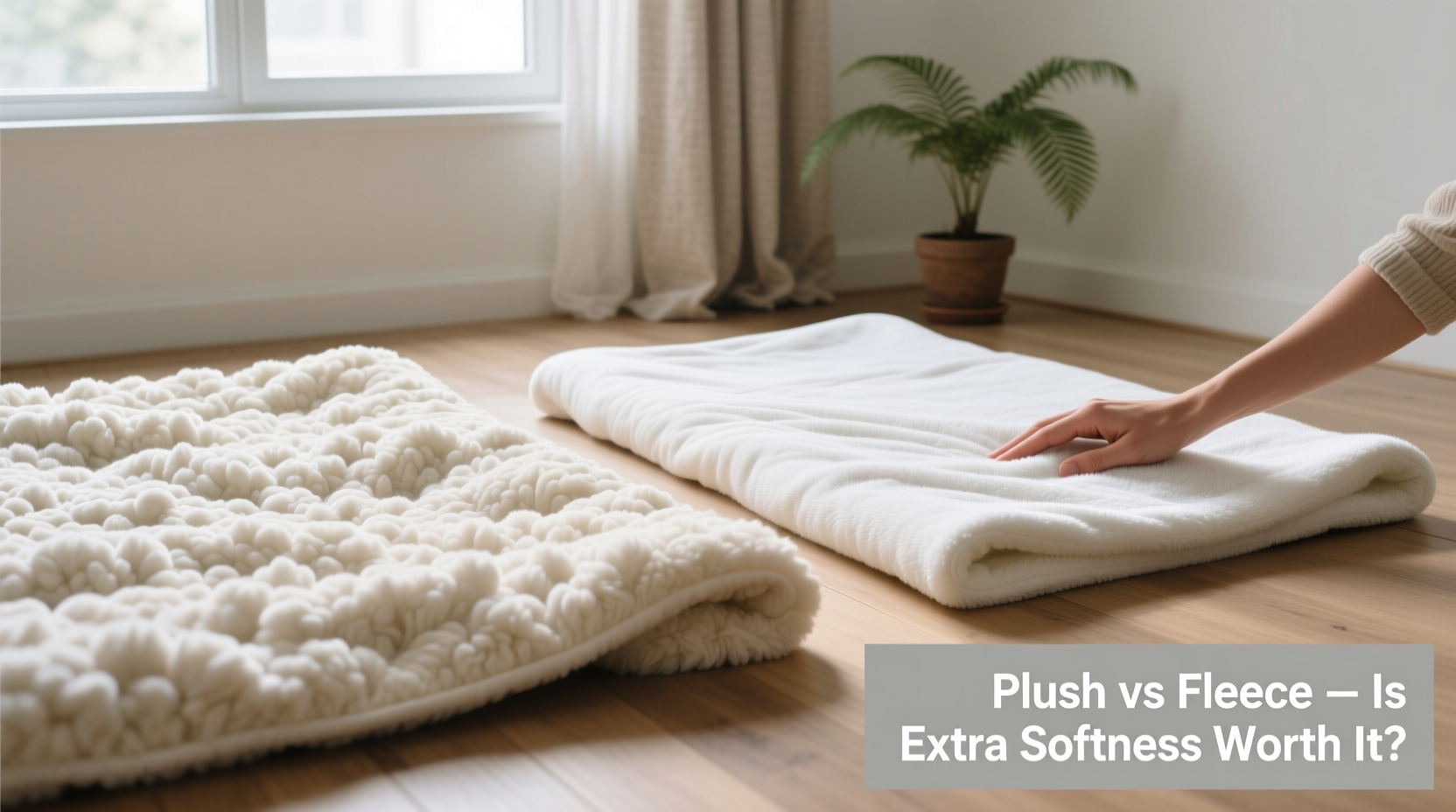
Fleece is a synthetic fabric typically made from polyester, designed to mimic the insulating properties of wool without the weight or itchiness. It’s known for being quick-drying, breathable, and highly effective at trapping body heat. Originally developed as an alternative to wool for outdoor gear, fleece remains a staple in activewear and cold-weather accessories.
One of fleece’s greatest strengths is its performance in damp conditions. Unlike cotton, it retains warmth even when wet, making it ideal for camping, hiking, or unpredictable weather. It’s also generally more affordable than plush and holds up well over time with minimal pilling if cared for properly.
The Allure of Plush: Softness as a Lifestyle Choice
Plush blankets, sometimes referred to as “ultra-soft” or “sherpa-style” throws, take softness to another level. These are typically constructed with longer, denser fiber piles that create a deep, cushioned feel against the skin. The texture is often compared to fur or high-end upholstery fabric, offering immediate tactile satisfaction.
While many plush blankets still use polyester as a base, the manufacturing process focuses on maximizing surface area and loft. This gives them superior coziness, especially during sedentary activities like reading, watching TV, or lounging. However, this indulgence comes with trade-offs. Plush fabrics tend to be heavier, less breathable, and more prone to matting or shedding over time.
“Plush materials excel in comfort environments where mobility isn’t a priority—think living rooms, not backpacks.” — Dr. Lena Torres, Textile Researcher at Mountain View Fabric Labs
Head-to-Head Comparison: Key Differences
| Feature | Fleece | Plush |
|---|---|---|
| Softness | Smooth, slightly napped surface | Deep-pile, ultra-soft, velvety |
| Weight | Lightweight | Heavier due to dense fibers |
| Breathability | High – good air circulation | Moderate to low – can trap heat |
| Durability | Resists pilling with proper care | More prone to matting and fiber loss |
| Warmth | Efficient insulation per ounce | Very warm, but can overheat |
| Care Requirements | Machine washable, dries quickly | May require gentle cycles; air drying recommended |
| Best Use Case | Outdoor use, layering, travel | Indoor relaxation, decorative throws |
Real-Life Scenario: Choosing for a Family Living Room
The Thompson family recently upgraded their living room setup and wanted a cozy throw for movie nights. They considered both fleece and plush options. Initially drawn to a vibrant fleece blanket for its affordability and easy maintenance, they ultimately chose a thick, cream-colored plush throw after testing samples at a local store.
“The kids loved how soft it was,” said Sarah Thompson. “And honestly, once we sat under it, nothing else felt right. We’re indoors most evenings, so breathability wasn’t a big issue. The plush just made the space feel warmer and more inviting.”
However, they did notice it required more frequent fluffing and couldn’t be tossed into the washer as casually as their old fleece. After three months, the edges began to shed slightly. Still, they reported high satisfaction, concluding that for their specific needs—comfort over function—the plush was worth the extra effort.
Is the Extra Softness Worth It? A Practical Guide
The answer depends entirely on how and where you plan to use the blanket. Here’s a step-by-step framework to help decide:
- Assess Your Primary Use: Will the blanket stay on the couch, go on hikes, or serve multiple purposes?
- Evaluate Sensitivity to Heat: Do you run hot at night? Plush may cause overheating.
- Consider Maintenance Tolerance: Are you willing to hand-wash or air-dry, or do you need machine durability?
- Test Texture Preference: If possible, touch before buying—softness is subjective but critical.
- Check Longevity Expectations: Fleece generally lasts longer under heavy use.
Expert Tips for Maximizing Blanket Lifespan
- Always follow manufacturer washing instructions—even small deviations can damage delicate plush piles.
- Use a laundry bag when machine washing plush to reduce friction and fiber breakage.
- Avoid high heat in dryers; opt for tumble dry low or air dry to preserve texture.
- De-pill fleece gently with a fabric shaver instead of pulling loose fibers by hand.
- Store blankets in breathable cotton bags rather than plastic bins to prevent moisture buildup.
FAQ: Common Questions About Fleece vs Plush
Can I use a plush blanket for camping?
It’s not ideal. Plush blankets are bulky, retain moisture, and lack the technical performance of fleece. For outdoor adventures, stick with fleece or specialized camping quilts.
Do plush blankets make you sweat more?
Yes, in many cases. Their dense fibers limit airflow and trap heat, which can lead to overheating—especially for people who already sleep hot.
Are there eco-friendly versions of either material?
Yes. Recycled polyester fleece (often labeled rPET) is widely available and reduces plastic waste. Some brands now offer plush blankets made from recycled materials, though they remain less common.
Final Verdict: Balancing Comfort and Function
The extra softness of plush blankets absolutely enhances comfort, particularly in relaxed, indoor settings. There’s no denying the emotional appeal of wrapping yourself in something that feels sumptuous and inviting. For many, that sensory reward justifies the higher price and increased maintenance.
Yet, fleece remains unmatched in versatility, breathability, and resilience. It’s the pragmatic choice for active lifestyles, variable climates, and households with pets or children who demand durability.
Rather than viewing one as universally superior, consider building a rotation: a plush throw for weekend lounging, a compact fleece for travel or emergencies, and perhaps a mid-weight blend for transitional seasons. This layered approach ensures you get both luxury and longevity without compromise.




 浙公网安备
33010002000092号
浙公网安备
33010002000092号 浙B2-20120091-4
Comments
No comments yet. Why don't you start the discussion?