
Indoor plants bring life, color, and tranquility to any space. As more people embrace biophilic design, the way we display our green companions has become just as important as choosing the right species. Two popular options—floating shelves and wall-mounted crates—offer distinct advantages and aesthetic outcomes. While both elevate plants off the floor and maximize vertical space, their visual impact, practicality, and compatibility with different plant types vary significantly. Understanding these differences helps you make an informed decision that aligns with your interior style, maintenance habits, and long-term enjoyment.
Design Aesthetics: Clean Lines vs Rustic Charm
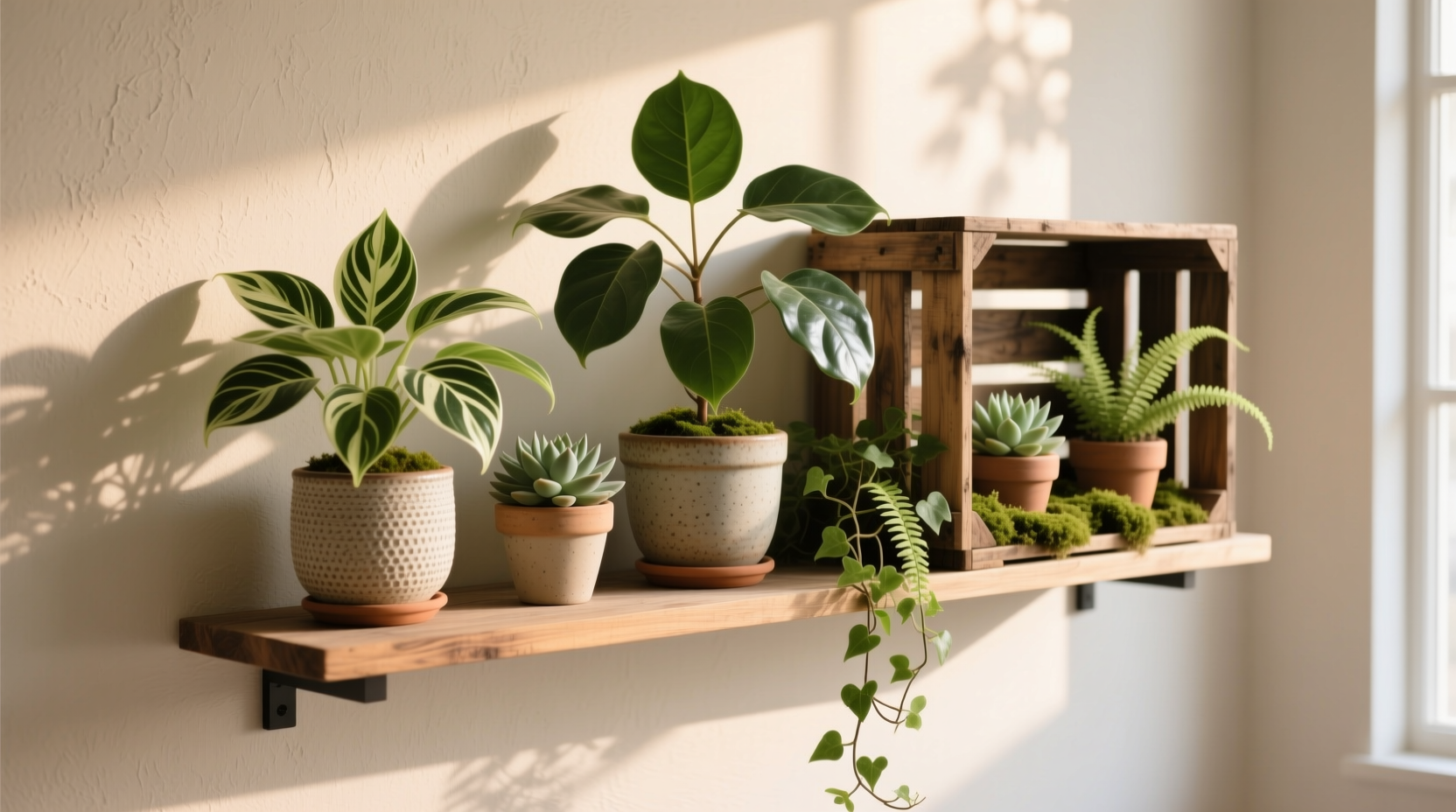
Floating shelves are known for their minimalist, modern appeal. Typically made from solid wood, metal, or engineered materials, they appear to “float” on the wall thanks to hidden brackets or recessed supports. This creates a sleek, uncluttered look ideal for contemporary, Scandinavian, or mid-century interiors. Their smooth surfaces and uniform shapes allow for symmetrical arrangements, making them perfect for curated plant groupings where visual balance matters.
In contrast, wall-mounted crates exude rustic charm and industrial character. Often constructed from reclaimed wood, wire mesh, or galvanized metal, crates have an organic, handcrafted feel. Their open slats or visible seams add texture and depth, lending themselves well to bohemian, farmhouse, or urban loft designs. The asymmetry of stacked or staggered crates introduces dynamic energy to a room, turning a simple plant display into a living art installation.
Visual Impact Comparison
| Feature | Floating Shelf | Wall-Mounted Crate |
|---|---|---|
| Aesthetic Style | Minimalist, modern, streamlined | Rustic, industrial, eclectic |
| Depth Perception | Flat, layered effect | Textured, dimensional |
| Color Integration | Neutral tones blend seamlessly | Natural wood grain or patina stands out |
| Plant Visibility | Front-facing emphasis | 360-degree viewing possible |
The visual hierarchy also differs. Floating shelves encourage horizontal layering—tall plants at the back, trailing vines cascading down, small succulents up front. Crates, especially those with open sides, allow light to pass through and invite viewing from multiple angles, enhancing the sense of movement and growth.
Functionality and Practical Considerations
Beyond looks, functionality plays a crucial role in long-term satisfaction. Weight capacity, ease of installation, and access for watering are key factors when comparing floating shelves and crates.
Floating shelves usually support more weight due to internal wall anchors and solid construction. A well-installed wooden shelf can hold several large potted plants without sagging. However, most lack drainage trays, meaning overwatering risks damaging walls or floors beneath. Additionally, accessing the back of a shelf for dusting or adjusting cords (e.g., for grow lights) can be challenging.
Wall-mounted crates, while often lighter in load-bearing capacity, offer greater flexibility. Many feature open backs or side panels, allowing easy access for cleaning and wiring. Wire crates provide airflow, reducing moisture buildup that could lead to mold. Some models come with removable liners or inner pots, simplifying watering routines. Yet, their structural integrity depends heavily on material quality—thin plywood or flimsy metal may warp under heavy plant loads.
“Display solutions should serve both beauty and function. If it’s hard to maintain, even the most attractive setup will fall into disrepair.” — Lena Torres, Interior Stylist & Plant Consultant
Installation Process and Flexibility
- Floating Shelves: Require precise leveling and stud-finding. Best suited for permanent placement. Relocating them often leaves visible holes.
- Wall-Mounted Crates: Generally easier to install, especially lightweight versions using toggle bolts. Modular systems allow reconfiguration as collections grow.
For renters or those who frequently redecorate, crates offer a more adaptable solution. They can be rearranged into grids, zigzags, or clusters without major drilling work. Floating shelves demand commitment but reward with a polished, gallery-like finish.
Plant Health and Environmental Suitability
An attractive display is meaningless if it compromises plant health. Light exposure, air circulation, and humidity levels are influenced by the mounting system.
Floating shelves positioned near windows provide excellent light for sun-loving species like fiddle leaf figs or cacti. However, deep shelves may create shadows on lower-tier plants unless spaced vertically with sufficient clearance. Trailing plants such as pothos or string of pearls thrive here, spilling gracefully downward without obstruction.
Crate configurations, particularly open-grid designs, promote better airflow around foliage. This reduces the risk of fungal diseases in high-humidity environments. Plants like ferns, orchids, or air plants benefit from this breathability. Moreover, the gaps between slats allow misting spray to reach all sides evenly, supporting optimal hydration.
Ideal Plants for Each Display Type
- Floating Shelves:
- Snake plants – upright growth fits narrow profiles
- Succulent arrangements – low water needs minimize spill risk
- Peperomia – compact size suits shallow depths
- Philodendron Brasil – vining habit enhances visual flow
- Wall-Mounted Crates:
- Bird’s nest fern – thrives in ventilated, shaded spots
- String of hearts – delicate vines drape beautifully through openings
- Tillandsia (air plants) – no soil needed; attach directly inside
- Miniature orchids – benefit from elevated humidity and visibility
Real-Life Example: Transforming a Sunlit Nook
Consider Sarah, a graphic designer living in a downtown apartment with limited floor space. She wanted to showcase her growing collection of tropical houseplants near a large east-facing window. Initially, she installed two floating shelves—one above the other—arranging monstera cuttings and zebra plants in matching ceramic pots. While visually striking, she struggled with watering: excess moisture dripped onto the lower shelf, causing mildew on one pot’s saucer.
After researching alternatives, she replaced the lower shelf with a set of three staggered wooden crates mounted diagonally across the same wall. She transferred humidity-loving plants like a button fern and a neon pothos into the crates, keeping the top shelf for drought-tolerant succulents. The new layout improved airflow, reduced water damage, and created a more dynamic focal point. Neighbors frequently complimented the transformation during visits.
This case illustrates how combining form and function leads to sustainable beauty. Sometimes, hybrid approaches yield the best results.
Step-by-Step Guide to Choosing Your Display
Follow this sequence to determine whether floating shelves or wall-mounted crates suit your needs:
- Assess Your Space: Measure wall dimensions and identify lighting conditions. North-facing walls favor shade-tolerant species; south/west exposures support sun-lovers.
- Evaluate Your Collection: List current and planned plants. Note their mature size, watering frequency, and growth pattern (upright, trailing, bushy).
- Determine Maintenance Preferences: Are you willing to remove plants for watering, or do you prefer in-place care? Crates with removable inserts simplify cleanup.
- Match to Décor Style: Choose based on dominant themes—minimalism favors shelves; warmth and texture favor crates.
- Test Load Requirements: Calculate approximate total weight including pots and soil. Ensure chosen mounts exceed this by at least 50% for safety.
- Plan Layout: Sketch arrangements on paper or use digital tools. Allow 8–12 inches between tiers for growth and access.
- Install and Adjust: Begin with one unit. Observe how plants respond over four weeks before expanding.
Checklist: Before You Install
- ✅ Confirm wall type (drywall, plaster, brick) and use appropriate anchors
- ✅ Check for electrical outlets or pipes behind the mounting area
- ✅ Select pots with proper drainage or use liner pots for easy removal
- ✅ Decide on a cohesive color palette for pots and mounts
- ✅ Position a tray or mat underneath to catch spills
- ✅ Label plants for tracking growth and care schedules
Frequently Asked Questions
Can I mix floating shelves and crates in the same room?
Absolutely. Combining both creates visual interest and functional diversity. Use shelves for formal displays and crates for experimental or propagation zones. Just maintain consistency in finish (e.g., all walnut-toned wood) to unify the look.
Which is safer for heavy planters?
Floating shelves generally offer superior weight distribution, especially when anchored into wall studs. For planters exceeding 15 lbs, opt for solid hardwood shelves with reinforced brackets. Crates should be used for lighter specimens unless specifically rated for heavier loads.
How do I prevent water damage with either option?
Always use drip trays or inner plastic pots. For shelves, consider installing a slim acrylic guard along the front edge. With crates, place absorbent cloths or decorative gravel mats beneath to soak minor leaks. Water plants over a sink when possible.
Final Recommendation: It Depends on Your Goals
There is no universal winner between floating shelves and wall-mounted crates. The choice hinges on personal priorities. If you value clean lines, architectural elegance, and a curated gallery effect, floating shelves deliver unmatched sophistication. They’re ideal for showcasing statement pieces and maintaining order in smaller spaces.
If you cherish texture, adaptability, and a lived-in atmosphere, wall-mounted crates offer unmatched versatility. Their modular nature supports evolving collections and hands-on care routines. Plus, their openness fosters healthier microclimates for humidity-loving varieties.
Ultimately, attractiveness emerges not just from the structure itself, but from how thoughtfully it integrates with your lifestyle and greenery. A beautifully arranged plant display reflects intentionality—every leaf, shadow, and surface working in harmony.




 浙公网安备
33010002000092号
浙公网安备
33010002000092号 浙B2-20120091-4
Comments
No comments yet. Why don't you start the discussion?