
When choosing a top with decorative detailing, two popular techniques stand out: flocking and embroidery. While both add visual flair and brand identity, they differ significantly in texture, durability, and tactile experience. For fashion-conscious consumers who value both aesthetics and comfort, understanding these differences isn't just about preference—it's about making informed choices that align with lifestyle, skin sensitivity, and long-term wearability.
The texture of a garment influences how it feels against the skin, how it drapes on the body, and even how it ages over time. A soft, smooth finish may feel luxurious at first, but if it cracks after a few washes, its appeal diminishes. On the other hand, a slightly raised embroidered design might feel more substantial but could be less comfortable for sensitive skin or active wear. So, does texture really matter? The answer is yes—and here’s why.
Understanding Flocking and Embroidery: What Sets Them Apart?
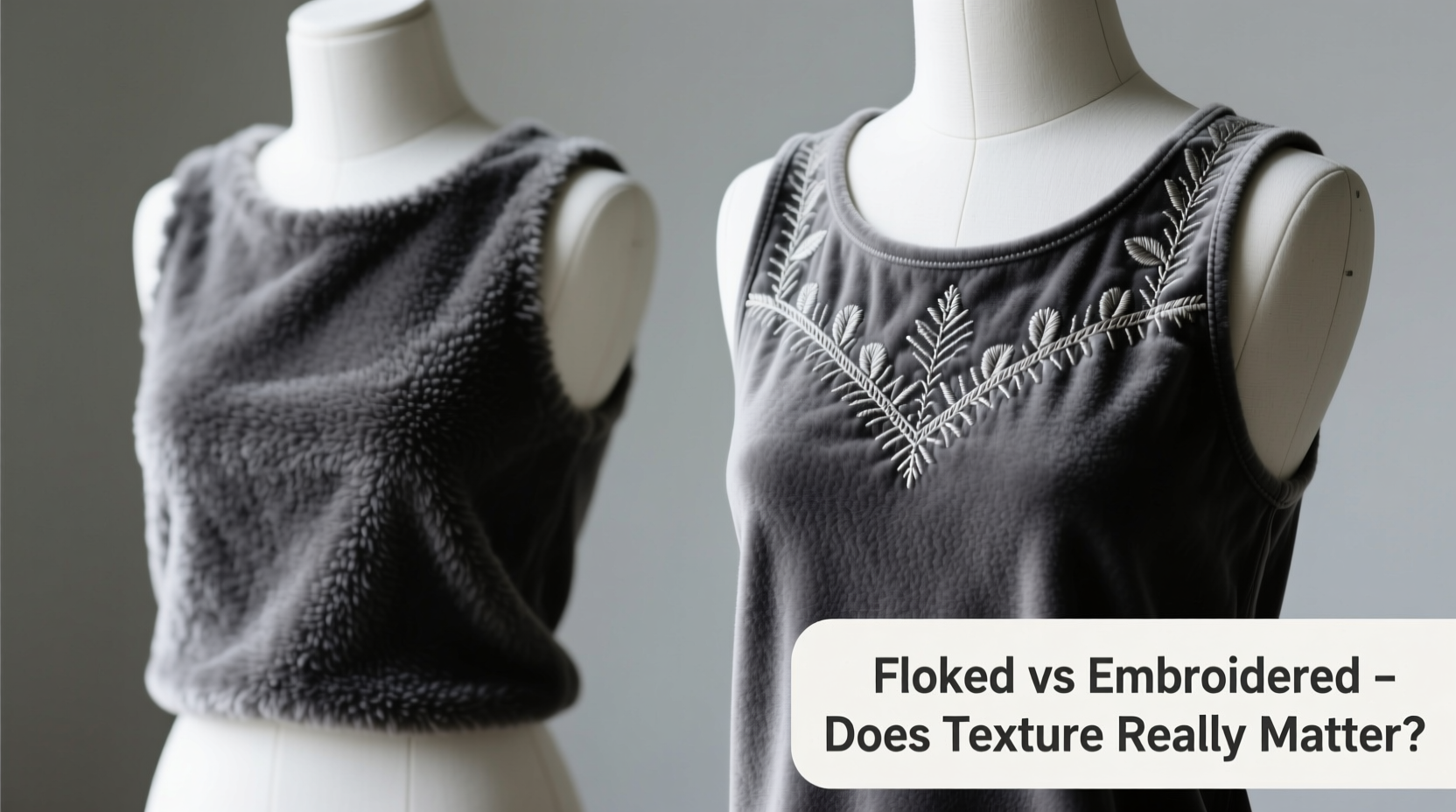
Flocking and embroidery are distinct textile decoration methods, each producing a different sensory and visual effect.
Flocking involves applying short fibers (often nylon or rayon) to an adhesive-coated fabric surface using electrostatic charges. The result is a velvety, suede-like texture that lies flat against the garment. It’s commonly used for logos, slogans, or all-over patterns on cotton tees, hoodies, and loungewear.
Embroidery, by contrast, uses thread stitched directly into the fabric via needlework—either by hand or machine. This creates a raised, dimensional design that can range from subtle monograms to intricate floral motifs. Embroidered details are often found on collars, cuffs, or chest areas of blouses, polos, and workwear.
The key difference lies not only in appearance but in how each method interacts with the base fabric and the wearer’s body. Flocking adds a coating; embroidery becomes part of the fabric structure.
Texture and Comfort: How They Feel on Skin
Comfort is highly subjective, but certain textures perform better under specific conditions.
Flocked prints typically have a soft, plush feel that many describe as cozy. However, this softness comes with trade-offs. Because the flock material sits on top of the fabric, it doesn’t stretch well. On garments made from stretchy materials like jersey or spandex blends, flocked areas can restrict movement and feel stiff. Worse, if the adhesive weakens, the flocking may flake or peel—especially around high-flex zones like elbows or shoulders.
Embroidered designs, while more durable, introduce a different kind of tactile presence. The raised threads can create pressure points, particularly on delicate skin. Some people report mild irritation when wearing heavily embroidered collars or cuffs throughout the day. However, modern techniques use finer threads and backing stabilizers to reduce scratchiness, making today’s embroidery far more wearable than in the past.
For individuals with sensory sensitivities or conditions like eczema, texture plays a critical role. A seamless, non-raised design—such as screen printing—might be preferable over both flocking and embroidery.
“Texture impacts wearability more than most shoppers realize. A beautiful design means little if the shirt feels uncomfortable after ten minutes.” — Lena Torres, Textile Design Consultant
Comparison Table: Flocked vs Embroidered Tops
| Feature | Flocked Tops | Embroidered Tops |
|---|---|---|
| Texture | Soft, velvety, flat surface | Raised, textured, dimensional |
| Durability | Moderate; prone to cracking and peeling | High; stitches integrate with fabric |
| Wash Resistance | Poor; avoid harsh detergents and dryers | Excellent; withstands repeated washing |
| Stretch Compatibility | Low; limits fabric flexibility | Moderate to high; depends on stitch type |
| Skin Sensitivity | Better for touch-sensitive wearers (if intact) | May irritate; depends on thread quality |
| Aesthetic Appeal | Modern, trendy, graphic-focused | Classic, premium, artisanal |
| Cost | Lower to mid-range | Higher due to labor and materials |
Real-World Example: Office Wear vs Weekend Outings
Consider Sarah, a marketing professional who values both style and practicality. During weekdays, she wears a tailored cotton-blend blouse with subtle embroidery on the collar. The stitching is fine, the thread color matches perfectly, and the design elevates her look without feeling intrusive. Even after months of daily wear and frequent washing, the embroidery holds up beautifully.
On weekends, she opts for a relaxed flocked graphic tee. Initially, it feels soft and looks stylish. But after five washes, she notices small cracks forming along the edges of the logo. By week eight, pieces begin to flake off during laundry. While still wearable, the shirt no longer looks fresh.
This scenario illustrates a common pattern: embroidery excels in longevity and consistency, while flocking offers immediate appeal at the cost of long-term integrity. For garments worn regularly or subjected to stress, embroidery proves more resilient.
Care and Maintenance: Preserving Your Top’s Texture
Proper care extends the life of any decorated garment—but especially those with texture-sensitive finishes.
Flocked items require gentle handling. Always turn them inside out before washing, use cold water on a delicate cycle, and air dry. Avoid fabric softeners, which can degrade the adhesive bond. Ironing should never be done directly over the flocked area; instead, place a cloth barrier and use low heat.
Embroidered garments are more forgiving but still benefit from mindful laundering. Machine wash in cold water with similar colors. High-speed spins can distort stitches over time, so a moderate spin setting helps. Tumble drying is acceptable on low heat, though line drying preserves shape best.
Step-by-Step Guide to Choosing Based on Texture Needs
- Assess your usage: Will the top be worn daily, occasionally, or for special events?
- Evaluate your comfort priorities: Do you prefer smooth surfaces or don’t mind slight texture?
- Check the fabric blend: Stretchy materials pair poorly with flocking; sturdier weaves support embroidery better.
- Review care instructions: Can you commit to hand-washing or delicate cycles?
- Feel before buying: If shopping in person, test the texture on your inner wrist—a sensitive spot that mimics neck and arm contact.
FAQ: Common Questions About Flocked and Embroidered Tops
Can I repair cracked flocking?
Minor flaking can sometimes be stabilized with fabric glue applied carefully with a toothpick, but full restoration is difficult. Prevention through proper care is more effective than repair.
Is embroidery suitable for athletic wear?
Lightweight embroidery on performance fabrics works well, provided the stitching uses flexible threads and minimal density. Heavy embroidery restricts movement and traps moisture.
Does embroidery make a shirt hotter to wear?
Not significantly. The added thread mass is minimal. However, dense stitching in large areas may reduce breathability slightly compared to flat prints.
Final Thoughts: Yes, Texture Matters—Here’s How to Decide
Texture is more than a sensory detail—it affects comfort, durability, and the overall value of your clothing. Flocked tops offer a contemporary, tactile look ideal for casual, infrequent wear. They’re cost-effective and visually striking but demand careful maintenance and have a shorter lifespan.
Embroidered tops, though typically pricier, deliver superior longevity and a refined aesthetic. Their three-dimensional quality conveys craftsmanship and attention to detail, making them ideal for professional settings or heirloom pieces.
The choice ultimately depends on your priorities: immediate style impact or lasting quality. If you value garments that age gracefully and withstand regular use, embroidery is the clear winner. If you're drawn to bold graphics and plan to rotate pieces seasonally, flocking can still be a worthwhile addition—so long as you respect its limitations.




 浙公网安备
33010002000092号
浙公网安备
33010002000092号 浙B2-20120091-4
Comments
No comments yet. Why don't you start the discussion?