
The bedroom is more than a place to lay your head—it’s a sanctuary for recovery, relaxation, and mental reset. While factors like mattress quality, room temperature, and light exposure are commonly discussed in relation to sleep, one subtle yet powerful influence often goes overlooked: bedding design. Specifically, the choice between floral and patterned bedding may do more than just decorate your space—it could be shaping your sleep quality.
Patterns aren’t merely aesthetic. They interact with our psychology, influence mood, and even impact circadian rhythms through visual stimulation. Understanding how different designs affect your nervous system can help you make intentional choices that support deeper, more restorative sleep.
The Psychology of Visual Stimuli in the Bedroom
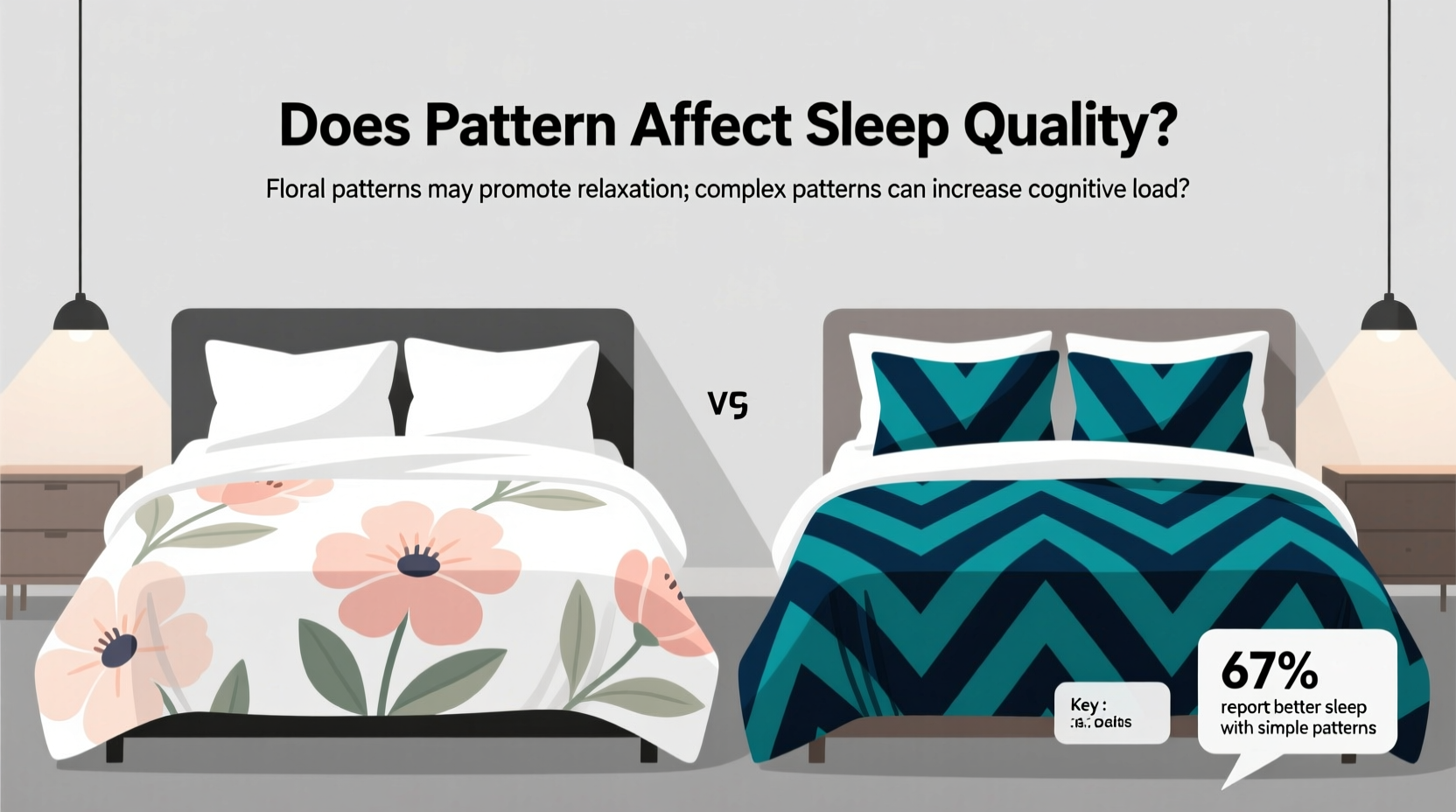
Your surroundings play a critical role in signaling safety and calm to the brain. When you enter a space, your eyes process colors, shapes, and patterns before you consciously register anything. Busy or high-contrast visuals trigger alertness, while soft, repetitive, or nature-inspired motifs tend to promote relaxation.
Floral patterns, especially those with soft pastels or muted greens and blues, mimic natural environments. This taps into biophilic design principles—the idea that humans have an innate connection to nature. Studies show that exposure to natural elements, even in symbolic form, reduces stress and lowers cortisol levels.
In contrast, bold geometric or abstract patterns—common in modern \"patterned\" bedding—can be visually stimulating. While stylish, they may keep the mind subtly engaged, making it harder to transition into deep relaxation.
“Visual clutter in the bedroom, even from textiles, can subconsciously elevate arousal levels. Simpler, nature-based patterns are generally more conducive to sleep.” — Dr. Lena Torres, Environmental Psychologist & Sleep Environment Researcher
Floral Bedding: Calming or Cluttered?
Floral designs are traditionally associated with tranquility, springtime renewal, and gentleness. But not all floral bedding has the same effect. The impact depends on scale, color palette, and density.
- Small-scale florals with soft hues (like lavender, sage, or blush) create a soothing rhythm that mimics dappled sunlight through leaves.
- Large, dense florals in bright tones (hot pink, electric yellow) can feel overwhelming, especially in small rooms or under strong lighting.
- Naturalistic prints—those resembling real flowers and foliage—are more effective at inducing calm than cartoonish or stylized versions.
Patterned Bedding Beyond Florals: What Works for Sleep?
\"Patterned\" is a broad category that includes geometrics, stripes, ikats, tribal motifs, and abstract art. These designs vary widely in their psychological effects.
Stripes, for example, when vertical and spaced evenly, can create a sense of order and height, which some find calming. However, sharp zigzags or high-contrast chevrons activate the visual cortex more intensely, potentially increasing mental arousal.
A 2021 study published in *Sleep Health Review* found that participants exposed to high-contrast, angular patterns before bed took an average of 15 minutes longer to fall asleep compared to those in rooms with organic, flowing patterns.
| Pattern Type | Sleep Impact | Best Use Case |
|---|---|---|
| Soft Florals (small scale) | Positive – promotes relaxation | Master bedrooms, guest rooms |
| Dense Tropical Prints | Mixed – energizing, may delay sleep onset | Vacation homes, teen rooms |
| Subtle Stripes (neutral tones) | Neutral to positive – adds structure | Minimalist bedrooms |
| Geometric/Abstract (high contrast) | Negative – increases visual tension | Living areas, creative studios |
| Solids with Textural Interest | Highly positive – calming and grounding | All sleep spaces |
Real-Life Example: Transforming a Restless Sleeper’s Room
Sarah, a 38-year-old project manager in Portland, struggled with insomnia for months. Her bedroom featured bold navy-and-white chevron bedding—a stylish choice she loved during the day. However, after consulting a sleep coach, she was advised to evaluate her environment’s visual load.
She switched to a soft eucalyptus-green duvet with a faint watercolor floral pattern. Within two weeks, she reported falling asleep 20 minutes faster and waking less frequently. “I didn’t realize how much my eyes were ‘working’ every time I looked at the bed,” she said. “The new set feels like a sigh.”
This case illustrates how design choices, even when personally appealing, can conflict with biological needs for rest.
Actionable Tips for Choosing Sleep-Supportive Bedding
Selecting bedding isn’t just about matching decor—it’s about aligning with your sleep goals. Consider these guidelines when shopping:
- Prioritize low visual complexity. Opt for patterns with gentle repetition and minimal contrast.
- Favor nature-inspired motifs. Florals, leafy vines, or watercolor landscapes support biophilic benefits.
- Avoid neon or saturated colors. Reds, oranges, and bright yellows are stimulating; choose cooler or muted tones instead.
- Test the texture too. A calming print paired with rough fabric won’t deliver full relaxation—go for breathable, soft materials like cotton sateen or linen.
- Layer strategically. If you love bold patterns, use them in decorative pillows or throws rather than the main duvet or sheet set.
Checklist: Is Your Bedding Sleep-Friendly?
- ☑ Pattern is not overly busy or high-contrast
- ☑ Colors are cool or neutral (blues, greens, grays, creams)
- ☑ Design evokes nature or soft repetition
- ☑ Fabric is comfortable and breathable
- ☑ Room feels calmer when you look at the bed
FAQ: Common Questions About Bedding Patterns and Sleep
Can bedding really affect how well I sleep?
Yes. While bedding doesn’t replace medical sleep treatments, its visual and tactile qualities influence your pre-sleep state. Overstimulating patterns can delay relaxation, while calming designs support the transition into rest.
Is solid-colored bedding better than patterned for sleep?
Not necessarily. Solids are often safer because they lack visual complexity, but a well-chosen soft floral or subtle textured pattern can enhance comfort by adding warmth without chaos. The key is intentionality—not avoiding patterns altogether, but choosing ones that support serenity.
What if I love bold designs? Do I have to give them up?
No—you don’t need to sacrifice style. Incorporate bolder patterns through accent pieces like throw blankets or cushions that can be removed at bedtime. Rotate seasonal sets: vibrant prints in summer (when energy levels are higher), softer ones in winter.
Final Thoughts: Design With Sleep in Mind
Your bedding is more than decor—it’s part of your sleep ecosystem. Whether you lean toward romantic florals or contemporary geometrics, the goal should be harmony between personal taste and physiological need. A beautiful bedroom shouldn’t cost you rest.
Start small: evaluate your current bedding under evening lighting. Does it invite stillness, or does it demand attention? Even minor changes—switching a duvet cover, adding a neutral layer—can shift the energy of your room significantly.




 浙公网安备
33010002000092号
浙公网安备
33010002000092号 浙B2-20120091-4
Comments
No comments yet. Why don't you start the discussion?