
Aluminum foil is a staple in kitchens around the world—used for wrapping food, lining pans, grilling, and even cleaning. But one question consistently sparks debate: Does it matter which side of the foil you use? Specifically, should the shiny side face up or down when cooking? The answer isn’t as straightforward as a simple yes or no, but understanding the manufacturing process, thermal properties, and practical applications can help clarify the confusion.
This article dives deep into the science behind aluminum foil, dispels common myths, and provides real-world guidance so you can use foil more effectively—regardless of which side faces out.
The Origin of the Two-Sided Foil
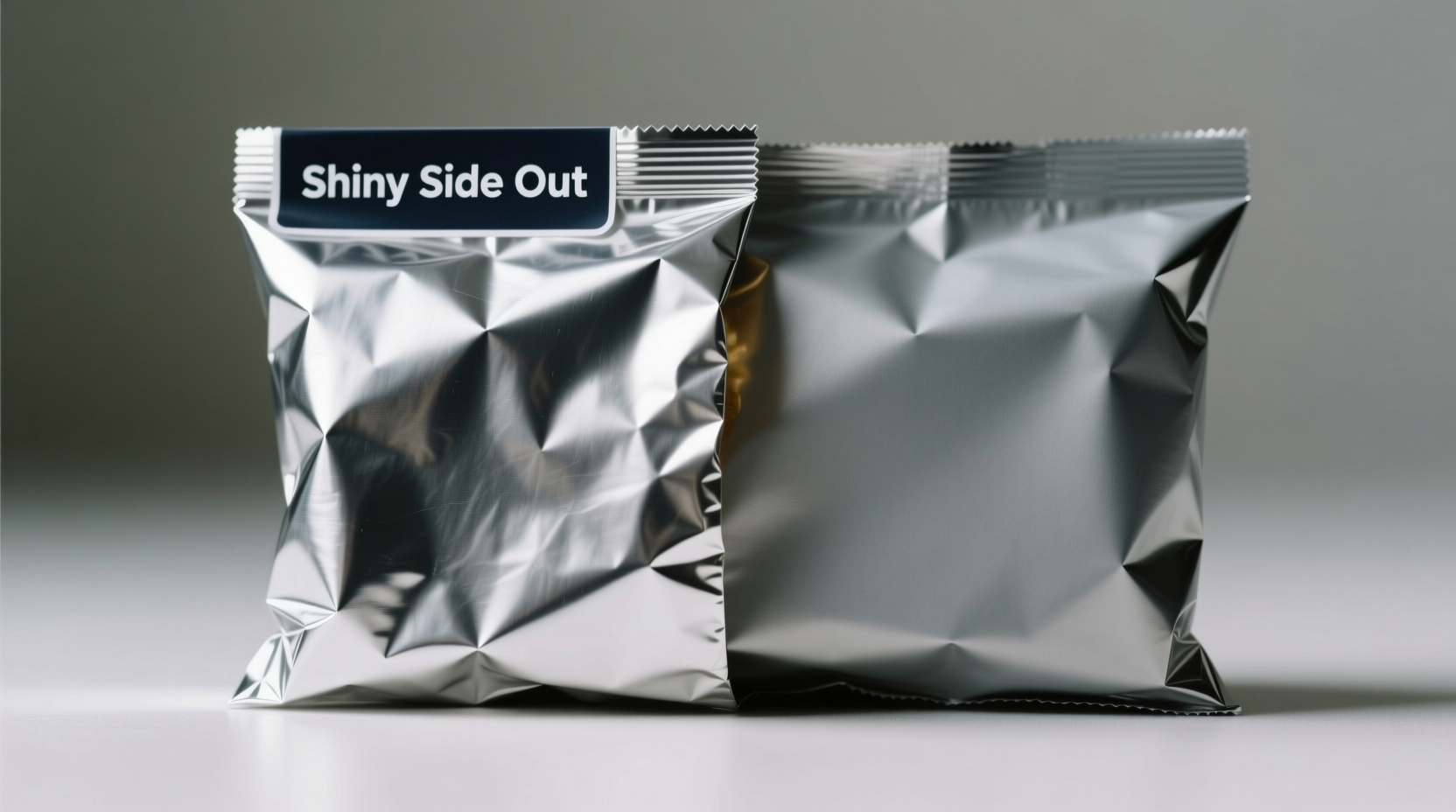
Aluminum foil has two distinct sides: one shiny and one dull. This difference is not by design for cooking performance but rather a result of the manufacturing process known as rolling. During production, two layers of foil are passed through rollers simultaneously. The side that comes into contact with the roller becomes smooth and shiny, while the other side, which touches another layer of foil, remains matte.
Because this process involves two sheets at once, only one side per sheet makes contact with the metal roller. That’s why every roll of standard household foil has a shiny side and a dull side. It's a byproduct—not an intentional feature meant to influence heat reflection or food safety.
Myth vs. Reality: Heat Reflection and Cooking Performance
A widespread belief is that the shiny side reflects heat better than the dull side, making it ideal for facing food during baking or grilling. While technically true that polished aluminum reflects radiant heat slightly more efficiently than a matte surface, the effect is negligible in everyday cooking.
In practical terms, whether you place the shiny side up or down will not noticeably affect cooking time, browning, or temperature distribution. Ovens, stovetops, and grills rely primarily on convection and conduction, not radiant heat reflection from foil, to cook food. The minimal difference in reflectivity (estimated at less than 5%) has no measurable impact on outcomes in typical home kitchens.
“From a materials science perspective, the difference in emissivity between the shiny and dull sides is too small to influence cooking results under normal conditions.” — Dr. Lena Park, Food Engineering Researcher, MIT
When the Side Might Actually Matter
While the shiny/dull distinction rarely matters in routine use, there are specific scenarios where orientation could offer marginal benefits:
- Grilling delicate foods: Placing the shiny side toward the food may slightly reduce scorching by reflecting a bit of direct radiant heat.
- Insulating cold items: In rare cases like emergency cooling or outdoor catering, using the shiny side outward might reduce heat absorption from sunlight due to increased reflectivity.
- Non-stick foil variants: Some specialty foils have a coated non-stick layer applied to one side (often marked). In these cases, manufacturer instructions must be followed—the non-stick coating should face the food.
However, unless you're working in precision culinary environments or extreme conditions, flipping the foil based on shininess won't yield visible improvements.
Best Practices for Using Aluminum Foil
To get the most out of aluminum foil—beyond the shiny-side debate—consider how you’re using it overall. Proper technique matters far more than surface orientation.
Step-by-Step Guide: Effective Foil Use in Cooking
- Determine your goal: Are you roasting, steaming, grilling, or storing? Each use case benefits from different approaches.
- Cut or tear carefully: Use clean, sharp edges to avoid jagged tears that compromise coverage.
- Seal tightly for moisture retention: When wrapping food, crimp edges securely to trap steam and flavor.
- Use double layers for high-heat methods: Grilling or broiling may require two layers to prevent tearing or burning.
- Avoid acidic foods with prolonged contact: Tomatoes, citrus, and vinegar-based marinades can react with aluminum over time; limit exposure or use parchment as a barrier.
| Use Case | Recommended Approach | Shiny Side Direction? |
|---|---|---|
| Baking potatoes | Wrap tightly in single layer | No preference |
| Grilling fish | Double layer, sealed packet | Shiny inward for slight heat diffusion |
| Lining cake pans | Press smoothly into corners | No preference |
| Storing leftovers | Ensure full coverage | No preference |
| Broiling meats | Use heavy-duty foil, watch for flare-ups | No significant effect |
Common Misconceptions About Aluminum Foil
Beyond the shiny-side myth, several other misconceptions persist about aluminum foil use:
- Myth: The dull side absorbs heat better. Reality: Both sides conduct heat equally well; any radiative differences are insignificant.
- Myth: Using the wrong side causes toxins to leach into food. Reality: No scientific evidence supports this. Aluminum foil is safe for food contact on both sides.
- Myth: Restaurant chefs always use one side for better results. Reality: Professional kitchens prioritize efficiency and consistency, not foil orientation.
Real-World Example: The Camping Cookout Test
A group of outdoor educators conducted an informal experiment during a wilderness training program. They prepared identical foil packets of vegetables and chicken, cooking them over a campfire. Half used the shiny side facing inward; the other half used the dull side. All packets were sealed the same way and placed in similar spots on the grill grate.
After 25 minutes, they compared doneness, moisture, and charring. Tasters found no meaningful differences in texture or flavor. Thermometers inserted into the center of each packet showed temperature variations of less than 3°F—well within normal fluctuation range. The conclusion? Orientation didn’t matter—but proper sealing did.
Frequently Asked Questions
Does the shiny side prevent sticking?
No. Standard aluminum foil has no non-stick coating. If sticking is a concern, use non-stick foil (with the labeled side facing food) or add oil, butter, or parchment paper.
Is one side safer than the other?
No. Both sides are made of the same food-grade aluminum and are equally safe for contact with food. There is no chemical difference between the shiny and dull surfaces.
Why do some brands claim one side is better?
Marketing sometimes amplifies minor technical details. Unless the product includes a special coating (like non-stick or laminated layers), such claims lack scientific backing for performance improvement.
Final Recommendations and Checklist
Forget the shiny-side debate. Instead, focus on proven techniques that actually improve your cooking and food safety.
- ✔ Use heavy-duty foil for grilling or freezing
- ✔ Avoid long-term storage of acidic foods in foil
- ✔ Seal wraps tightly to preserve moisture
- ✔ Line pans for easier cleanup—but avoid if roasting delicate crusts
- ✔ Recycle clean foil when possible (check local guidelines)
- ✔ Consider reusable alternatives like silicone lids or containers for sustainability
Conclusion
The idea that the shiny side of aluminum foil must face a certain direction is a classic example of kitchen folklore—persistent, plausible, but ultimately inconsequential. Whether you're wrapping sandwiches, roasting vegetables, or cleaning your grill, the orientation of the foil's surface won’t make a practical difference in your results.
What truly matters is how you use the foil: its thickness, how well it’s sealed, and whether it’s appropriate for the task. By focusing on these factors instead of outdated myths, you’ll cook more effectively and waste less time worrying about irrelevant details.




 浙公网安备
33010002000092号
浙公网安备
33010002000092号 浙B2-20120091-4
Comments
No comments yet. Why don't you start the discussion?