
For many people—especially older adults, those with limited mobility, or frequent travelers—finding a place to sit while out and about can be a daily challenge. Public benches are often scarce, dirty, or occupied. Standing for extended periods leads to fatigue, joint pain, and reduced independence. Enter the folding and portable walking stick seat: a compact, multifunctional tool that combines stability, portability, and immediate seating in one lightweight device.
These hybrid tools have evolved from simple walking canes into intelligent mobility aids designed for real-world use. Whether navigating city sidewalks, standing in line at the market, or enjoying a nature trail, a walking stick seat offers instant relief without sacrificing convenience or dignity.
The Dual Functionality of Modern Walking Stick Seats
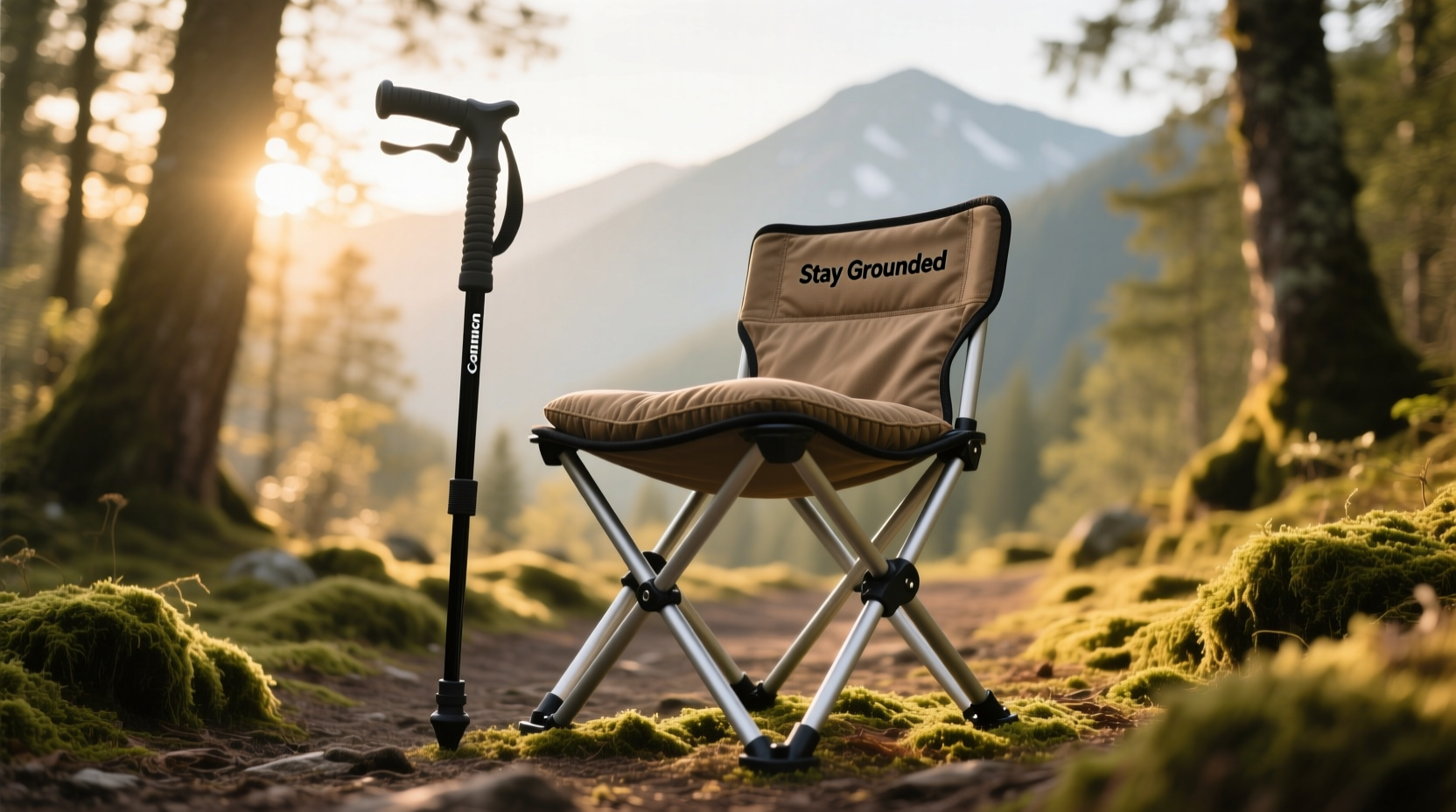
A folding walking stick seat is more than just a cane with a seat attached—it’s a thoughtfully engineered solution that serves two essential purposes: support during walking and rest when needed. The design typically features an aluminum or carbon fiber shaft for strength and lightness, a padded seat that unfolds in seconds, and a non-slip rubber tip for traction.
When folded, most models resemble a standard walking cane, measuring between 30 and 36 inches and weighing less than 2 pounds. This makes them easy to carry, store in a car trunk, or take on public transit. With a simple twist or pull, the seat extends and locks securely into place, providing a stable surface approximately 18–22 inches off the ground—ideal for average adult sitting height.
Who Benefits Most from Portable Seat Canes?
While anyone can appreciate the convenience of an on-demand seat, certain groups find these devices life-changing:
- Seniors: Age-related conditions like arthritis, poor circulation, or general fatigue make prolonged standing difficult. A walking stick seat allows older adults to remain active and independent without fear of exhaustion.
- People with chronic pain or mobility issues: Those managing conditions such as fibromyalgia, COPD, or Parkinson’s benefit from having immediate access to rest during outings.
- Travelers and tourists: Airports, train stations, and sightseeing areas often lack adequate seating. A portable seat means you’re never stranded without a place to pause and recharge.
- Outdoor enthusiasts: Hikers, bird watchers, and photographers use these canes to rest quietly in natural settings without carrying bulky gear.
- Caregivers: These devices reduce physical strain on both users and their companions by minimizing the need for constant assistance.
“Mobility isn’t just about moving—it’s about being able to stop safely and comfortably. Devices like seat canes restore balance to daily life.” — Dr. Lena Patel, Geriatric Mobility Specialist
Key Features to Look For
Not all walking stick seats are created equal. Choosing the right model requires attention to build quality, ergonomics, and safety features. Here’s what matters most:
| Feature | Why It Matters | Recommended Specs |
|---|---|---|
| Weight Capacity | Ensures safety and durability under load | 250–300 lbs minimum |
| Material | Determines weight and corrosion resistance | Aluminum or carbon fiber |
| Folded Length | Affects portability and storage | Under 36 inches |
| Seat Size & Padding | Impacts comfort during use | At least 10” diameter, cushioned |
| Adjustable Height | Allows customization for user height | Telescoping shaft with lock |
| Non-Slip Tip | Prevents falls on wet or uneven surfaces | Rubber ferrule with grip pattern |
Real-World Use: A Day in the Life of a User
Susan, a 72-year-old retiree from Portland, uses her folding walking stick seat nearly every day. She enjoys visiting farmers’ markets but used to return home exhausted after just 20 minutes due to knee pain. “I’d try leaning on carts or walls, but nothing helped,” she says. After receiving a seat cane as a gift, her routine changed.
Now, she walks through the market at her own pace, unfolding her seat during breaks to enjoy coffee or rest her joints. “It’s not just about sitting—it’s about feeling confident. I don’t have to rush or depend on others finding me a chair.” On a recent trip to Seattle, she used the cane while touring Pike Place Market, where seating was limited. “I sat right on the sidewalk, had my lunch, and felt completely safe. People even asked where they could get one.”
How to Use a Folding Walking Stick Seat Safely
Proper usage ensures longevity of the device and personal safety. Follow this step-by-step guide:
- Before Use: Inspect the cane for cracks, loose screws, or worn rubber tips. Check that the folding mechanism operates smoothly.
- Walking Mode: Hold the handle like a standard cane, keeping your weight over the center of the shaft. Avoid swinging it outward.
- Preparing to Sit: Find a level, stable surface. Clear debris or gravel if necessary. Plant the cane firmly on the ground.
- Deploying the Seat: Unlock the folding mechanism (usually via a button or twist) and lower the seat until it clicks into place. Never force it.
- Sitting Down: Use your free hand for balance, gently lower yourself while maintaining eye contact with the seat. Do not sit abruptly.
- Standing Up: Push down on the handle with your palm, using your legs to rise. Retract the seat only once you're fully upright.
- Storage: Fold the seat back in, confirm it’s locked, and carry it vertically or store in a protective sleeve.
Frequently Asked Questions
Can I take a folding seat cane on an airplane?
Yes, most airlines allow folding walking stick seats as mobility aids. They can be carried onboard and stored under the seat or in the overhead bin. Notify airline staff during booking or check-in to ensure smooth handling. Avoid checked baggage, as the mechanism may be damaged.
Are seat canes suitable for people with severe balance issues?
They offer moderate support but are not substitutes for walkers or rollators in cases of significant instability. Consult a physical therapist if you experience dizziness, frequent falls, or require full-weight-bearing assistance.
How do I clean and maintain my walking stick seat?
Wipe the seat pad with a damp cloth and mild soap; avoid soaking. Dry thoroughly before folding. Check bolts monthly and tighten if needed. Store in a dry place away from extreme temperatures.
Checklist: Choosing the Right Seat Cane
Use this checklist before purchasing to ensure you select a reliable, comfortable model:
- ✅ Weight capacity meets or exceeds user’s body weight
- ✅ Adjustable height for proper posture alignment
- ✅ Padded, wide seat for comfort
- ✅ Secure locking mechanism on both shaft and seat
- ✅ Lightweight material (under 2.5 lbs)
- ✅ Non-slip rubber tip or interchangeable foot for terrain
- ✅ Includes carrying strap or travel pouch
- ✅ Meets FDA guidelines for medical device safety (if applicable)
Conclusion: Reclaim Comfort and Independence
Folding and portable walking stick seats represent a quiet revolution in personal mobility. They empower individuals to stay active, engaged, and self-reliant—no longer limited by the absence of a bench or the ache in their joints. With thoughtful design and growing accessibility, these tools are becoming essential companions for everyday life.
If you or someone you care about struggles with fatigue during outings, consider trying a high-quality seat cane. It might be the small change that makes the biggest difference. Explore reputable brands, test options if possible, and start enjoying the freedom of rest—wherever life takes you.




 浙公网安备
33010002000092号
浙公网安备
33010002000092号 浙B2-20120091-4
Comments
No comments yet. Why don't you start the discussion?