
Choosing the right wallet isn’t just about aesthetics or brand names—it’s a daily decision that affects comfort, organization, and even posture. In recent years, minimalist folding wallets have surged in popularity, promising a sleeker profile and modern convenience. But how do they truly stack up against the classic bifold? While the slimness of a folding wallet may look appealing on Instagram, real-world performance depends on more than just thickness. The answer lies in balancing form, function, and personal habits.
Understanding the Core Differences
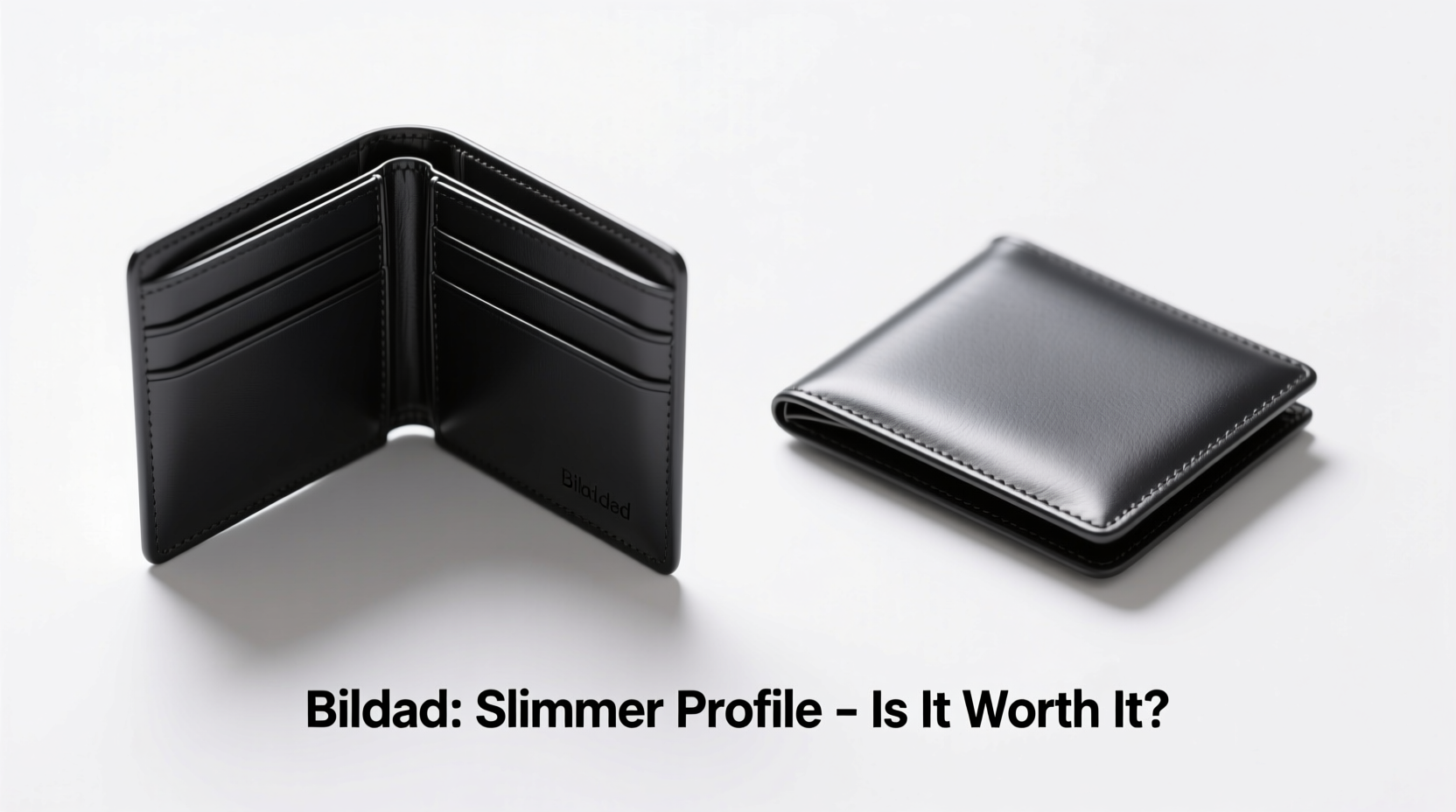
The fundamental distinction between a folding wallet and a bifold comes down to structure and usage. A traditional bifold folds in half, typically with multiple card slots, a central bill compartment, and sometimes a coin pouch. It's been the standard for decades due to its balanced storage and familiar feel. On the other hand, a folding wallet—often made from a single piece of leather or synthetic material—folds over once but prioritizes minimalism. These designs often hold fewer cards and rely on tight elastic bands or friction-fit slots to keep cash in place.
The appeal of the folding wallet is immediate: it’s noticeably thinner, fits easily in tight pockets, and reduces bulk when sitting. However, this streamlined design often sacrifices capacity and long-term durability. For someone who carries five or more cards, folded bills, and receipts, a folding wallet can quickly become overstuffed and lose its shape. Meanwhile, the bifold offers structured compartments that maintain order, even with heavier loads.
Comfort and Pocket Performance
Pocket ergonomics matter more than most people realize. A thick wallet in the back pocket can contribute to sciatic nerve pressure, leading to what doctors call “wallet neuritis” or “back pocket sciatica.” This condition causes lower back and leg pain due to prolonged compression. From this perspective, the folding wallet’s slim profile offers a clear advantage.
Folding wallets, especially those under 0.5 inches thick when full, sit flat in front or back pockets without distorting the silhouette of your pants. They’re ideal for travelers, cyclists, or anyone who values unobtrusive carry. However, their reduced footprint means less room for expansion. Over time, repeated folding at the same crease can weaken materials, particularly in leather or fabric models.
Bifolds, while bulkier, distribute weight more evenly across their structure. High-quality ones use reinforced stitching and layered leather to resist wear. The trade-off is volume—many bifolds measure over 0.75 inches thick when filled, making them noticeable in tight jeans or dress trousers.
“Wallet thickness directly impacts pelvic alignment during prolonged sitting. Slimmer options reduce biomechanical strain.” — Dr. Marcus Lin, Physical Therapist & Ergonomics Consultant
Capacity and Daily Usability
Functionality should never be sacrificed for fashion. Let’s break down real-world usability based on common carrying habits.
| Feature | Folding Wallet | Bifold Wallet |
|---|---|---|
| Average Card Capacity | 3–6 cards | 6–12 cards |
| Cash Handling | Friction fit or elastic band (less secure) | Dedicated bill compartment (secure) |
| Receipt Storage | Limited or none | Common in premium models |
| Coin Pocket | Rare | Available in select designs |
| Front-Pocket Suitability | Excellent | Moderate to poor (when full) |
The data shows a clear divide: folding wallets excel in minimalism and discretion, while bifolds dominate in utility and versatility. If your routine includes frequent cash transactions, toll payments, or storing event tickets, a bifold provides better organizational support. Conversely, if you primarily use contactless payments and carry only essentials—ID, driver’s license, and one credit card—a folding wallet streamlines your load effectively.
Mini Case Study: Urban Commuter vs. Business Traveler
Consider two professionals: Lena, a city-based graphic designer, and Raj, a regional sales manager.
Lena uses her smartphone for most payments, carries three cards, and rarely handles cash. She values clean lines and hates bulky pockets. After switching to a folding wallet, she reports improved comfort and no longer adjusts her posture to accommodate her back pocket.
Raj, however, visits clients weekly, pays tolls, collects receipts, and keeps multiple loyalty cards. He tried a folding wallet but found himself removing cards frequently and losing cash from the open-top design. Within a month, he reverted to a high-quality bifold with RFID protection and dedicated slots.
Their experiences highlight a crucial point: the best wallet depends on lifestyle, not trends.
Durability and Long-Term Value
Longevity is where construction quality becomes critical. Folding wallets often hinge on a single fold point, which creates a stress concentration. Over time—especially with stiff leather or synthetic fibers—this area cracks or separates. Some brands reinforce this with rivets or double-stitching, but many budget models fail within 12 to 18 months.
Bifolds, by contrast, distribute mechanical stress across multiple seams and panels. With proper care, a full-grain leather bifold can last a decade or more. The added layers also protect contents better, reducing wear on cards and currency.
Checklist: Choosing the Right Wallet for You
- ✅ Assess how many cards you use daily (3 or fewer = folding candidate)
- ✅ Determine if you regularly carry cash (yes = bifold advantage)
- ✅ Consider your primary carry pocket (front = folding wins; back = depends on thickness)
- ✅ Evaluate need for receipt or coin storage (needed = bifold preferred)
- ✅ Think long-term: are you willing to replace a wallet every 1–2 years for slimness?
- ✅ Test real-world thickness: aim for under 0.6” if minimizing bulk is essential
FAQ
Can a folding wallet hold as much as a bifold?
No, not realistically. While some folding wallets claim high capacity, stuffing them defeats the purpose of slim design. They work best with 3–6 cards and a few folded bills. Bifolds offer structured space for larger loads without compromising shape.
Are folding wallets more prone to damage?
Yes, especially at the fold. Constant bending weakens materials over time. Leather folding wallets may crack within two years without conditioning. Look for models with reinforced folds or modular designs to improve lifespan.
Is RFID protection available in folding wallets?
Yes, but less commonly. Many folding wallets focus on thinness, so adding RFID-blocking layers can increase bulk. Some hybrid models now integrate slim shielding materials, but always verify certification before assuming protection.
Conclusion: Prioritize Lifestyle Over Trends
The allure of a slimmer wallet is understandable—clean lines, reduced pocket bulge, and a modern aesthetic. But slimness alone shouldn’t dictate your choice. A folding wallet makes sense only if your carrying habits align with its limitations. For minimalists, tech-forward users, and urban dwellers, it’s a practical upgrade. For those managing cash, multiple cards, or receipts, the bifold remains the smarter, more durable solution.
Instead of chasing the thinnest option, focus on intentionality. Audit what you actually carry. Trim unnecessary cards. Choose materials built to last. Whether you go folding or bifold, the best wallet disappears into your routine—comfortable, reliable, and ready when needed.




 浙公网安备
33010002000092号
浙公网安备
33010002000092号 浙B2-20120091-4
Comments
No comments yet. Why don't you start the discussion?