
A foot-operated air pump is a reliable, energy-efficient tool for inflating tires, sports equipment, inflatable mattresses, and pool toys. When it stops working, the inconvenience can be immediate—especially before a long drive or weekend trip. Fortunately, most foot pump failures stem from a small set of predictable mechanical issues. With the right diagnostic approach, you can identify and resolve the problem quickly, often without needing replacement parts.
This guide walks through the most common reasons a foot pump fails, how to test each component, and practical fixes that restore full functionality. Whether your pump produces weak airflow, won’t inflate at all, or makes odd noises, this step-by-step analysis will get you back on track.
How Foot Pumps Work: A Quick Overview
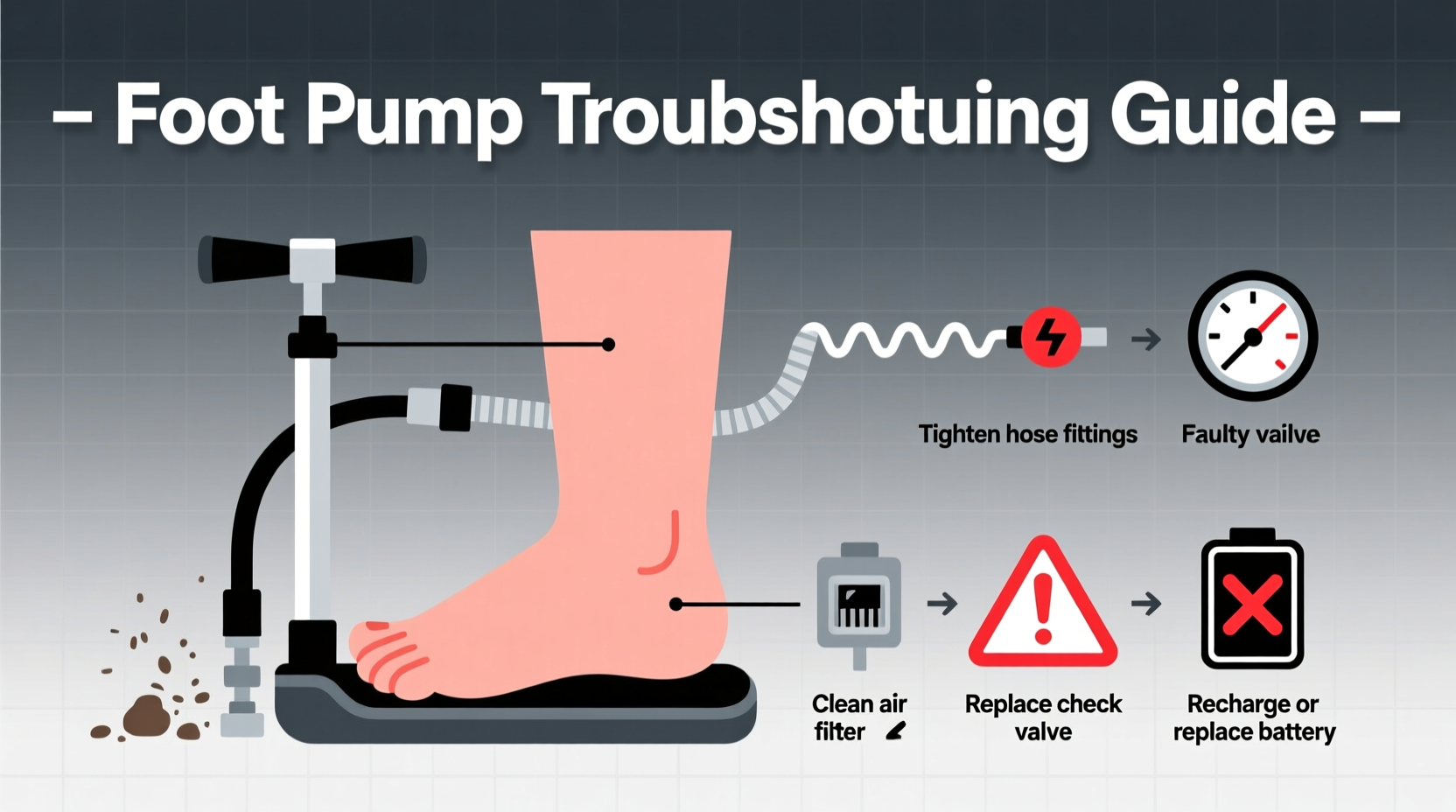
Understanding the basic mechanics of a foot pump helps pinpoint where things go wrong. Most models use a dual-piston or single-piston design with two one-way valves: an intake valve and an exhaust valve. When you press down on the pedal, air is compressed in the chamber and forced out through the exhaust valve into the hose and nozzle. On the upstroke, the exhaust valve closes, the intake valve opens, and fresh air is drawn into the chamber to prepare for the next cycle.
The efficiency of this system depends on three key components:
- Seals and gaskets – Prevent air leakage within the chamber.
- Valve integrity – Ensure unidirectional airflow.
- Hose and nozzle connection – Maintain pressure delivery to the target object.
If any part fails, airflow drops or stops completely. Identifying which part is faulty is the first step toward repair.
Step-by-Step Troubleshooting Process
Follow this logical sequence to isolate the root cause of your malfunctioning foot pump.
- Check for external obstructions – Inspect the hose, nozzle, and valve tip for debris, kinks, or blockages. Remove any visible dirt or foreign material.
- Test airflow manually – Disconnect the hose from the pump body and operate the pedal. Place your hand over the outlet. You should feel strong, consistent bursts of air with each stroke.
- Inspect the hose – Reconnect the hose and perform the same test. If airflow diminishes significantly, the hose may have an internal crack or restriction.
- Examine connections – Ensure all fittings are tight. Loose joints between the pump head, hose, and nozzle can leak air under pressure.
- Listen for abnormal sounds – Hissing during the downstroke suggests a seal or valve leak. Silence on both strokes indicates a major internal failure.
If no air is felt at the pump outlet, the issue lies within the internal mechanism. Proceed to inspect valves and seals.
Common Internal Failures and How to Fix Them
1. Worn or Damaged Valve Flaps
One-way valves are typically made of thin rubber flaps or mushroom-style poppets. Over time, these degrade due to dryness, heat, or repeated flexing. A failed intake valve won’t draw air in; a failed exhaust valve lets compressed air escape backward.
To test:
- Disassemble the pump head (refer to manufacturer instructions if available).
- Locate both valves—usually near the inlet and outlet ports.
- Inspect for cracks, warping, or stiffness.
- Perform a flexibility test: gently bend the flap. It should return to shape without creasing.
Replace damaged valves with OEM parts or compatible rubber washers of the same thickness and diameter. Avoid using thicker materials, as they may not seat properly.
2. Leaking Piston Seal or Gasket
The piston seal creates an airtight barrier inside the cylinder. If cracked, hardened, or dislodged, air bypasses the compression chamber, drastically reducing output.
Symptoms include:
- Weak airflow despite normal pedal resistance.
- Visible puffing of air around the piston rod during operation.
Fix by removing the piston assembly and replacing the O-ring or cup seal. Apply a small amount of silicone grease during reassembly to improve sealing and reduce friction.
3. Cracked Pump Housing or Chamber
Plastic housings can develop hairline fractures from impact or stress, especially near mounting points or high-pressure zones. These are often invisible to the naked eye.
To detect micro-cracks:
- Submerge the pump body in water while operating the pedal.
- Look for bubbles escaping from seams or structural joints.
If cracks are found, epoxy resin designed for plastics can provide a temporary fix. For long-term reliability, replace the entire pump head or unit.
“Over 70% of foot pump failures I see in repair shops are due to dried-out valve flaps or compromised seals—both easily preventable with basic maintenance.” — Carlos Mendez, Bicycle Repair Technician with 15 years of field experience
Tips for Long-Term Pump Performance
Preventive care extends the life of your foot pump and avoids unexpected breakdowns. Incorporate these habits into your routine:
- Clean the nozzle and hose end after inflating dirty or sandy items.
- Store the pump indoors—avoid garages or sheds with extreme temperature swings.
- Periodically disassemble and inspect valves every 6–12 months.
- Use only compatible attachments; mismatched connectors increase wear.
Do’s and Don’ts of Foot Pump Maintenance
| Do’s | Don’ts |
|---|---|
| ✓ Lubricate seals with silicone-based products | ✗ Use oil or petroleum-based lubricants (they degrade rubber) |
| ✓ Store with the pedal in the raised position | ✗ Leave the pump compressed for long periods |
| ✓ Replace worn parts promptly | ✗ Ignore small hissing sounds—they indicate growing leaks |
| ✓ Check compatibility before connecting to Presta or Schrader valves | ✗ Force-fit adapters; they can damage internal mechanisms |
Real-World Example: Fixing a Silent Bike Pump
Mark, a commuter cyclist, noticed his floor-standing foot pump wasn’t inflating his bike tire despite full pedal strokes. There was no resistance and no sound. He followed the diagnostic steps:
- He disconnected the hose and tested airflow directly from the pump head—nothing.
- He disassembled the unit and found the exhaust valve flap completely detached from its base.
- Using a spare rubber washer from a plumbing kit, he cut a new valve to size and secured it with non-toxic adhesive.
After reassembly, the pump restored full pressure output. The total repair took 20 minutes and cost less than $2. This case highlights how a simple, overlooked component can disable an entire system—and how user-level repairs are often feasible.
Frequently Asked Questions
Why does my foot pump feel loose when I press it?
A loose or “mushy” pedal usually means air is bypassing the compression chamber. Common causes include a failed piston seal, cracked housing, or dislodged valve. Begin by checking the internal seals and valves for damage or misalignment.
Can I use a car tire pump nozzle on a foot pump?
Yes, if the connector is compatible. Most foot pumps support Schrader valves (standard on car and bike tires). Some include dual-head nozzles for Presta valves (common on road bikes). Always ensure a snug fit to avoid leaks.
My pump works but takes forever to inflate a tire. What could be wrong?
Reduced efficiency often points to partial blockages, minor air leaks, or degraded valve performance. Even a slightly stiff valve flap can restrict airflow. Clean all passages and verify both valves open and close freely.
Final Checklist: Restore Your Foot Pump in 6 Steps
- Disconnect hose and test for airflow at the pump outlet.
- Inspect and clean the hose and nozzle for clogs.
- Disassemble the pump head and examine intake and exhaust valves.
- Replace cracked or stiff rubber flaps with suitable replacements.
- Check the piston seal and lubricate or replace if necessary.
- Reassemble carefully, ensuring all parts are seated correctly, then test under load.
Conclusion: Keep Your Pump Ready for Action
A foot pump that isn’t working doesn’t always need replacement. Most issues stem from simple, fixable problems like worn valves, dried seals, or minor leaks. By applying systematic diagnostics and basic maintenance, you can restore full function and extend the life of your pump for years.
Don’t let a silent pedal ruin your plans. Take a few minutes to inspect, clean, and repair. With the right knowledge, you’re equipped to handle common failures confidently and economically.




 浙公网安备
33010002000092号
浙公网安备
33010002000092号 浙B2-20120091-4
Comments
No comments yet. Why don't you start the discussion?