
When shopping for new bedding, the choice between a four-piece and a three-piece set often comes down to one key difference: an extra flat sheet. On the surface, this may seem like a minor addition—just another layer in your sleep setup. But when you factor in comfort, hygiene, cost, and long-term use, that single sheet can influence both your experience and your budget. Understanding whether the upgrade is justified requires more than just counting components; it demands insight into how each piece functions in your daily routine.
Understanding Bedding Set Configurations
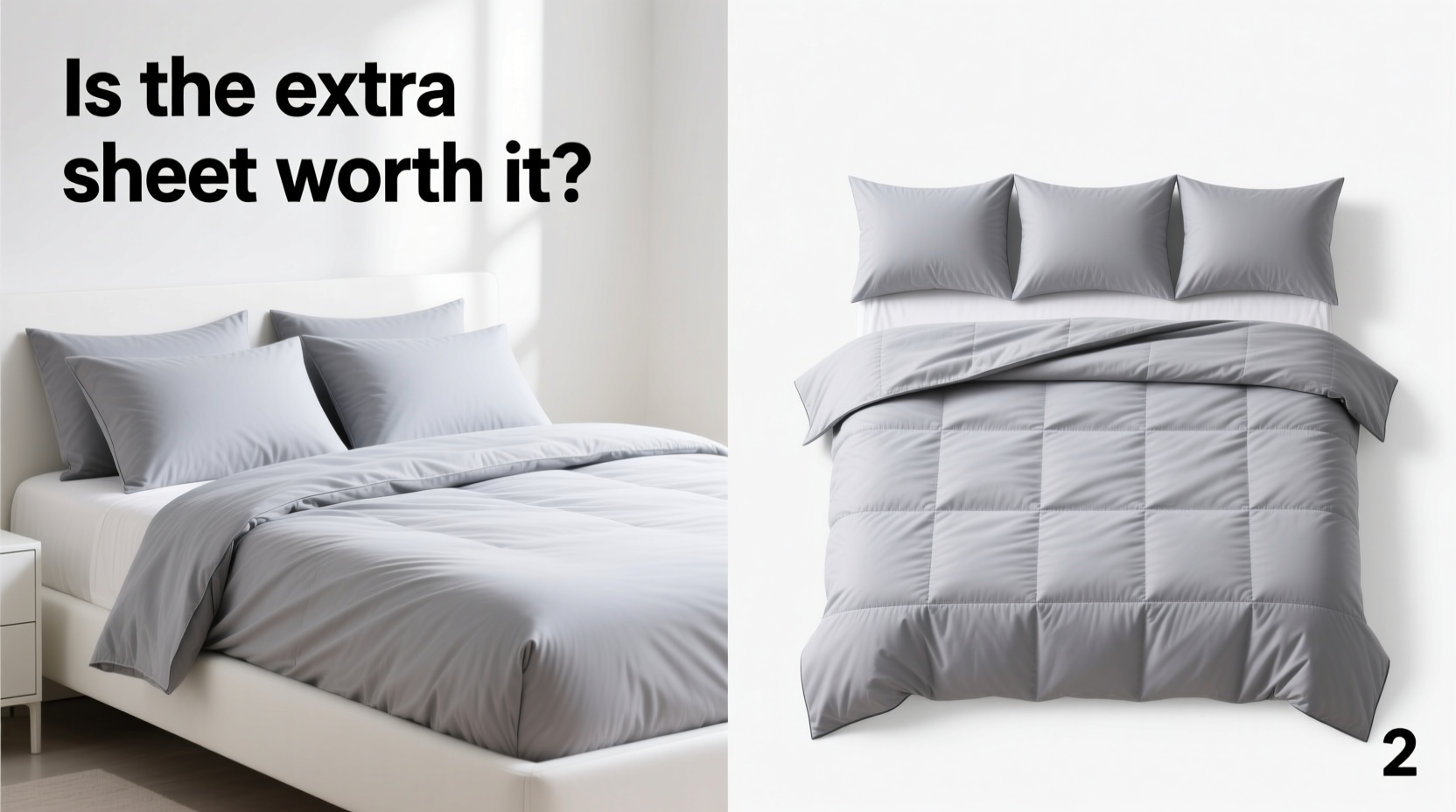
A three-piece bedding set typically includes a duvet cover, one pillowcase (or two, depending on size), and sometimes a decorative cushion cover. A four-piece set adds a flat sheet—the large rectangular fabric layer laid directly over the mattress protector or fitted sheet. This seemingly small inclusion changes the dynamics of breathability, cleanliness, and seasonal adaptability.
The absence of a flat sheet in many modern sets reflects shifting trends toward minimalism and simplified bed-making. However, removing this layer also removes a functional barrier between your body and the duvet cover, which can impact temperature regulation and fabric longevity.
“Many consumers overlook the protective role of the flat sheet. It’s not just about tradition—it’s about extending the life of your duvet cover by reducing direct skin contact.” — Dr. Lena Patel, Textile Care Specialist
Functional Benefits of the Flat Sheet
The flat sheet serves multiple practical purposes beyond aesthetics:
- Hygiene buffer: Acts as a shield against sweat, oils, and dead skin cells, minimizing how often you need to wash the duvet cover.
- Temperature control: Provides an extra layer that can be removed during warmer months, offering greater climate flexibility.
- Fabric preservation: Reduces friction and wear on the duvet cover, especially with delicate materials like silk or high-thread-count cotton.
- Sleep comfort: Offers a smoother tactile experience, particularly with crisp percale or sateen weaves that feel cool at first touch.
Cost vs. Value: Is the Extra Piece Worth It?
Four-piece sets generally cost 15–25% more than their three-piece counterparts. The question isn’t whether you’re getting “more” for your money, but whether that additional item delivers proportional utility.
To evaluate true value, consider frequency of use and replacement costs. Duvet covers require deeper cleaning cycles and are more prone to fading or pilling due to machine agitation. By contrast, flat sheets are easier to launder and replace individually. Investing in a full set that includes one can delay future purchases and streamline laundry rotation.
| Feature | Three-Piece Set | Four-Piece Set |
|---|---|---|
| Included Items | Duvet cover + 1–2 pillowcases (+ optional sham) | Duvet cover + 1–2 pillowcases + flat sheet (+ optional sham) |
| Average Price (Queen) | $65–$90 | $85–$120 |
| Wash Frequency (Duvet Cover) | Every 2–3 weeks | Every 4–6 weeks (with flat sheet) |
| Replacement Flexibility | Must buy separately | Already included; easy to rotate |
| Seasonal Adaptability | Limited; no intermediate layer | High; flat sheet allows incremental warmth adjustment |
Real-Life Usage: A Case Study
Consider Sarah, a nurse working night shifts in Florida. Her bedroom stays warm year-round, and she tends to sweat lightly during sleep. She initially purchased a stylish three-piece bamboo blend set for its cooling claims. Within six weeks, the duvet cover showed visible soiling along the top edge where her head rested. After switching to a four-piece set with a TENCEL™ flat sheet, she noticed two improvements: the duvet remained cleaner longer, and she could remove the flat sheet during peak summer months without compromising comfort.
Over a 12-month period, Sarah washed her duvet cover only five times compared to the previous ten. Given that high-quality duvet covers can degrade after 20–30 washes, this change effectively extended the product’s lifespan by nearly 25%. For her, the slightly higher upfront cost was offset by reduced maintenance and replacement needs.
Who Should Choose Which Option?
Your ideal choice depends on lifestyle, climate, and personal habits. Here's a concise checklist to guide your decision:
- Do you sweat at night or live in a warm/humid environment? → Lean toward 4-piece.
- Do you prefer quick, simple bed-making with fewer layers? → 3-piece may suit you better.
- Are you using delicate fabrics (e.g., silk, rayon)? → A flat sheet helps protect them.
- Do you already own quality flat sheets? → You might not need the extra piece.
- Is ease of laundering a priority? → More pieces mean more frequent washing cycles.
Expert Recommendations for Long-Term Use
Textile experts consistently emphasize system-based thinking when building a bedding collection. Rather than focusing solely on what comes in the box, they recommend assessing how each component integrates into your existing routine.
“The best bedding setup isn’t defined by the number of pieces, but by how well it supports hygiene, comfort, and durability. Sometimes, buying components separately gives you better material consistency and fit.” — Marcus Tran, Home Linens Consultant
If you frequently change duvet covers for aesthetic reasons, maintaining a stock of matching flat sheets ensures visual cohesion. Conversely, if you rarely change styles and prioritize low maintenance, a minimalist three-piece set paired with a durable, all-season duvet may be sufficient.
FAQ
Can I use any flat sheet with my duvet cover?
Yes, as long as the sizes match. A queen duvet cover pairs best with a queen flat sheet. Mismatched dimensions can lead to tucking difficulties or excess fabric bunching.
Do hotels still use flat sheets?
Most traditional hotels do. The flat sheet acts as a hygienic barrier between guest and blanket, simplifying turnover and enhancing perceived cleanliness—even if guests later discard it.
What if I don’t like sleeping under a flat sheet?
You’re not alone. Many people find it restrictive. In that case, a three-piece set makes sense. Alternatively, keep the flat sheet for off-season use or guest beds where presentation matters more.
Making the Right Choice for Your Lifestyle
The debate isn’t about which option is universally superior, but which aligns with your habits and expectations. For those who value cleanliness, fabric care, and seasonal versatility, the fourth piece offers tangible benefits. For others who favor simplicity, speed, or already maintain a robust linen closet, the three-piece model provides adequate function without redundancy.
Ultimately, treat bedding as a system—not just a set. Evaluate your sleep patterns, laundry routines, and environmental conditions before deciding. And remember: the most luxurious fabric won’t perform well if it’s worn out prematurely from lack of protection.




 浙公网安备
33010002000092号
浙公网安备
33010002000092号 浙B2-20120091-4
Comments
No comments yet. Why don't you start the discussion?